Is Moving Out Game Worth It? A Comprehensive Review
Fast answer first. Then use the tabs or video for more detail.
- Watch the video explanation below for a faster overview.
- Game mechanics may change with updates or patches.
- Use this block to get the short answer without scrolling the whole page.
- Read the FAQ section if the article has one.
- Use the table of contents to jump straight to the detailed section you need.
- Watch the video first, then skim the article for specifics.
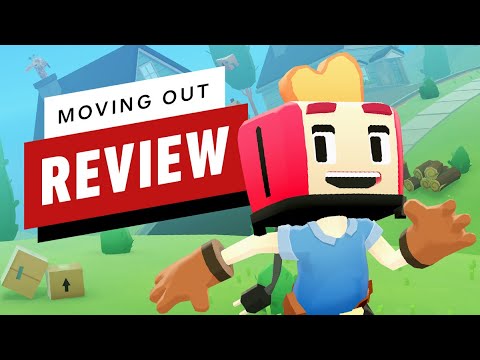
Absolutely, yes! The Moving Out game franchise, with its chaotic co-op gameplay, offers a unique and highly enjoyable experience, making it well worth the investment. Whether you’re a fan of party games, looking for a new title to play with friends, or simply want a lighthearted, laugh-filled adventure, Moving Out delivers. The game’s core concept of moving furniture and appliances in the most hilariously inefficient ways is both simple and incredibly addictive. It’s a perfect blend of silly physics, teamwork challenges, and pure, unadulterated fun.
However, like any game, Moving Out has nuances that may affect your overall experience. This article will delve deeper into the aspects that make the game a worthwhile purchase, while also highlighting potential considerations. We’ll also address common questions through a detailed FAQ section.
Moving Out: The Fun Factor
The allure of Moving Out primarily comes from its chaotic cooperative gameplay. It’s a game that thrives on communication (or lack thereof), silly mistakes, and the sheer absurdity of its physics. Players take on the roles of Furniture Arrangement and Relocation Technicians (F.A.R.Ts) tasked with moving various items from houses and other locations into a waiting truck. What sounds simple quickly devolves into a whirlwind of flailing limbs, objects flying everywhere, and a lot of laughter.
Co-op is Key
Moving Out is undeniably best enjoyed with friends or family. The joy of coordinating (or not coordinating!) your movements with others is what truly makes the game shine. The different characters you can choose from, each with their own unique look and personality, add another layer of lightheartedness to the proceedings. The game is designed to encourage teamwork, but it also perfectly showcases the humor that comes with the inevitable miscommunication and mishaps.
A Sequel That Delivers
Moving Out 2 builds upon the foundations laid by its predecessor, bringing in larger, more imaginative levels and a greater variety of challenges. The addition of online multiplayer is a huge step forward, allowing players to team up with friends across the globe. The sequel also adds new mechanics, more complex layouts, and even dimensions-hopping, keeping the experience fresh and engaging.
Solo Play: A Decent, But Not Ideal Experience
While enjoyable, solo play in Moving Out feels a bit tedious at times. The game is clearly designed with cooperative play in mind, and tackling the levels alone can be more of a chore than a fun challenge. However, even playing alone can be enjoyable, especially if you are looking for a less stressful and more solitary experience. If you’re considering the game solely for solo play, be aware that you might not extract the same level of enjoyment as you would with a group.
The Pros and Cons
Here’s a breakdown of what makes Moving Out a good buy, and what you should consider:
Pros
- Hilarious Co-op Gameplay: The core strength of Moving Out is its chaotic and funny co-op experience.
- Easy to Learn, Hard to Master: The controls are simple, but achieving perfect scores requires strategy and coordination.
- Charming Visuals: The bright and colorful art style is appealing and adds to the lighthearted atmosphere.
- Variety of Levels: Moving Out 2 offers a diverse range of levels, each with unique challenges.
- Online Multiplayer: A significant improvement in Moving Out 2, allowing for co-op fun with friends worldwide.
- Cross-Play Enabled: The second game is crossplay compatible which makes playing with friends on various platforms even easier.
- Relaxing Stress Relief: The game’s chaotic nature can paradoxically be a fantastic way to de-stress and unwind.
Cons
- Solo Play Can Be Tedious: The game is much more fun with others, and solo play can be less engaging.
- Potential for Frustration: The challenging nature of the levels can sometimes lead to frustration, especially with miscommunications or clumsy mishaps.
- Repetitive Mechanics: Despite the level variety, the core mechanics can become a little repetitive for some players.
Is Moving Out Game Worth It: The Final Verdict
If you are searching for a fun-filled party game that will bring laughs, challenge your teamwork skills, and make for some memorable gaming moments, then yes, Moving Out is definitely worth it. The sheer fun of coordinating ridiculous moves, and the resulting chaos, more than makes up for the minor issues some players might face. The second game, Moving Out 2, specifically, is a significant improvement over the original, delivering more content, and adding the much-requested online multiplayer functionality.
It’s highly recommended if you are:
- Looking for a new party game to play with friends or family.
- A fan of chaotic, physics-based games.
- Enjoying co-op experiences that require communication and teamwork.
- Wanting a lighthearted and funny game to relax and unwind.
Frequently Asked Questions (FAQs)
1. Is Moving Out 2 better than 1?
Yes, Moving Out 2 is generally considered better than the first game. It offers more variety in levels, includes online multiplayer, and features a more refined and polished experience. The addition of crossplay is also a very welcome feature.
2. Is Moving Out fun solo?
Moving Out can be enjoyable solo, but it’s not the ideal experience. The game is clearly designed for cooperative play, and solo mode can feel a bit tedious at times. However, if you enjoy puzzle-solving and are not bothered by the slower pace, you might still find it enjoyable on your own.
3. Is Moving Out 2 hard?
Moving Out 2 is challenging, but in a fun way. The game requires coordination, and some levels can be quite tricky. However, it is not frustratingly difficult, and the game’s humor and charm make the challenges more palatable. Moving Out 2 is also generally considered to be easier than its predecessor.
4. How long should Moving Out take to complete?
The amount of time it takes to complete Moving Out varies depending on your skill level and if you’re playing solo or with others. In the main game, there are 30 levels; however, to fully complete each level and to acquire all bonuses, it can take several playthroughs. For most players, it will take anywhere between 8-15 hours to finish the main campaign in the original game, and a bit longer for Moving Out 2.
5. What is the point of Moving Out?
The primary point of Moving Out is to work cooperatively with other players to move furniture and appliances efficiently and (often hilariously) from one place to another. The goal is to complete objectives, unlock new levels, and have fun with the chaotic gameplay.
6. Is Moving Out like Overcooked?
Yes, Moving Out is similar to Overcooked in its focus on chaotic cooperative gameplay. However, instead of managing a kitchen, you’re running a moving company. Both games are designed for teamwork and are known for the often ridiculous situations that occur. Moving Out is a great choice for anyone who enjoyed Overcooked and is looking for a similar experience.
7. How many levels are there in Moving Out?
The original Moving Out has 30 main levels, and the second game Moving Out 2 has a substantial number of new levels added. Furthermore, each level also has a few objectives and challenges to complete, meaning you will likely need to play the levels more than once.
8. Is Moving Out 2 crossplay?
Yes, Moving Out 2 is cross-play enabled. This means that players on different gaming platforms can play together, allowing for broader multiplayer opportunities.
9. Is Moving Out a good party game?
Yes, Moving Out is an excellent party game. Its emphasis on cooperative gameplay, chaotic situations, and simple controls makes it perfect for playing with friends and family. It’s a game that will generate laughs, create memorable moments, and is easy for anyone to jump into and enjoy.
10. Can Moving Out be scary?
No, Moving Out is not a scary game. The game is designed to be lighthearted, funny, and chaotic. The only “stress” experienced would be during the challenges of the levels, but even that adds to the game’s fun and engagement.
11. What are the disadvantages of Moving Out?
The primary disadvantages of Moving Out are that solo play is less engaging, it can be challenging at times, leading to frustration, and some may find the repetitive mechanics to get old over time. However, these drawbacks can be easily outweighed by the games fun and engaging co-op experience.
12. How do I make Moving Out less stressful?
The game itself is about the chaos, so it is difficult to make the game less stressful. However, playing with friends who are good at communicating and working together can help with the challenges. If you do find it stressful it might be best to play in short bursts and not take the challenges too seriously, remembering the goal is for everyone to have fun and laugh at the chaos.
13. What age is Moving Out suitable for?
Moving Out is generally suitable for all ages, especially children over the age of 6. Its simple controls, cartoonish visuals, and humorous gameplay make it accessible for a wide audience. It is a great game to play as a family.
14. How much money should I save before moving out in real life?
Saving for moving out in real life is a different matter than saving points in Moving Out. In reality, it’s recommended to have at least three months’ worth of living expenses saved up as an emergency fund. Additionally, you should save for first and last month’s rent, moving costs, and new furniture. Aiming for a minimum of $5,000 to $10,000 is a good starting point.
15. Should I move out at 25?
Moving out is a big life step. While there is no specific time that is correct for all, many people find it suitable to move out somewhere between 25 and 26 but it depends on your own personal situation. A good guideline is to not rush into it, make sure you are financially able to support yourself, and that you have prepared thoroughly for such a big change.