Neutral Evil vs. Chaotic Evil: Which Alignment is Truly “Worse”?
Fast answer first. Then use the tabs or video for more detail.
- Watch the video explanation below for a faster overview.
- Game mechanics may change with updates or patches.
- Use this block to get the short answer without scrolling the whole page.
- Read the FAQ section if the article has one.
- Use the table of contents to jump straight to the detailed section you need.
- Watch the video first, then skim the article for specifics.
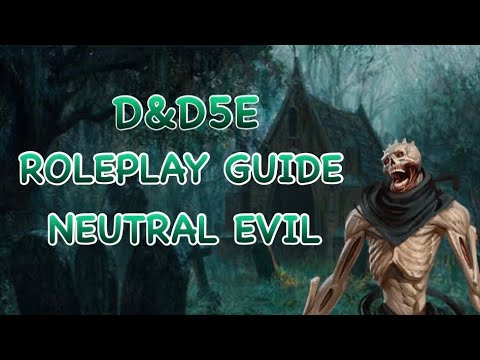
It’s the age-old debate that sparks fiery discussions around gaming tables and in online forums: Is Neutral Evil or Chaotic Evil the more dangerous, the more reprehensible, the “worse” alignment? The answer, surprisingly, isn’t straightforward. While both represent distinct forms of villainy, their impact and the scope of their potential for harm differ significantly. Neutral Evil, in many ways, can be argued as the more insidious and ultimately more damaging alignment. While Chaotic Evil is often associated with wanton destruction and unpredictable acts of cruelty, Neutral Evil operates with a chilling pragmatism, maximizing harm through calculated manipulation and exploitation.
Understanding the Alignments
Before diving deeper, let’s firmly establish what each alignment entails:
Neutral Evil: The Amoral Pragmatist
Neutral Evil characters are driven by purely self-serving motives. They’re not bound by any code of honor (Lawful Evil) nor do they revel in chaos for its own sake (Chaotic Evil). They see the world as a chessboard, with other people as pawns to be used and sacrificed to achieve their ambitions. They’ll lie, cheat, steal, and even kill if it benefits them. The key distinction is their willingness to work within existing structures or create new ones to achieve their goals. They’re not necessarily seeking to tear down society; they may simply want to control it. They are efficient and effective.
Chaotic Evil: The Agent of Anarchy
Chaotic Evil characters are motivated by complete and utter freedom from any constraint. They despise order, authority, and any form of restriction. They’re driven by impulse, greed, rage, or a desire to destroy everything in their path. While some Chaotic Evil characters may be driven by a nihilistic philosophy, many simply enjoy inflicting pain and suffering on others for no discernible reason. Their actions are often unpredictable and irrational, making them incredibly dangerous.
Why Neutral Evil is Often “Worse”
Here’s where the argument for Neutral Evil being the more insidious alignment gains traction:
- Greater Reach: Neutral Evil characters can infiltrate positions of power and influence within existing systems. They can amass wealth, control organizations, and manipulate events on a grand scale. A Chaotic Evil character is more likely to be a lone wolf, causing localized mayhem.
- Long-Term Damage: Neutral Evil characters are more likely to enact long-term, systemic changes that benefit themselves at the expense of others. They might create laws that exploit the vulnerable, establish monopolies that crush competition, or sow discord to maintain their control. Chaotic Evil typically leaves behind chaos and ruin, but Neutral Evil leaves behind deeply entrenched injustice.
- Subtlety and Manipulation: Neutral Evil characters are masters of manipulation and deception. They can present themselves as benevolent figures, all while secretly undermining their enemies and consolidating their power. This makes them harder to detect and oppose than the more overtly destructive Chaotic Evil.
- Recruitment and Influence: Neutral Evil can be an easier alignment to corrupt others into. Their pragmatic approach can appeal to those who are ambitious or disillusioned, leading them to believe that the ends justify the means. Chaotic Evil’s wild and unpredictable nature is less likely to draw in followers.
- Moral Ambiguity: While the acts themselves are evil, the motivations might be harder to grasp in the short term. Neutral Evil characters might claim they are doing something for a greater good, or because it’s “just business”. This can create a moral ambiguity that makes it harder to rally opposition against them.
Why Chaotic Evil is Still a Major Threat
It’s crucial to remember that Chaotic Evil is still a terrifying force. Its unpredictability makes it extremely dangerous:
- Unpredictability: Chaotic Evil’s defining characteristic is its lack of restraint. This makes them impossible to predict or reason with. A Neutral Evil character might be swayed by logic or self-preservation, but a Chaotic Evil character is just as likely to do something completely irrational and destructive.
- Pure Destructive Potential: Chaotic Evil characters have little to no regard for innocent life. They are capable of inflicting immense suffering and causing widespread devastation. While Neutral Evil might be willing to sacrifice individuals for their goals, Chaotic Evil will happily massacre entire populations just for fun.
- Undermining Order: Chaotic Evil actively seeks to undermine any form of order or stability. This can lead to social breakdown, economic collapse, and widespread violence. A Neutral Evil character might benefit from a stable system, but a Chaotic Evil character thrives in chaos.
Examples in Fiction
- Neutral Evil: Littlefinger (Game of Thrones) is a prime example of a Neutral Evil character. He ruthlessly manipulates those around him, playing factions against each other to advance his own ambitions. He doesn’t care about chaos or order; he only cares about power.
- Chaotic Evil: The Joker (DC Comics) embodies Chaotic Evil perfectly. He desires nothing more than to create chaos and prove that anyone can be driven to madness. He has no goals beyond the destruction of order and the infliction of suffering.
Conclusion
While both Neutral Evil and Chaotic Evil represent terrifying threats, Neutral Evil is arguably the more dangerous alignment due to its capacity for long-term, systemic damage and its ability to infiltrate and corrupt existing structures. Chaotic Evil is undeniably destructive, but its lack of focus and predictability often limits its reach.
Ultimately, the “worst” alignment depends on the context and the specific circumstances. However, understanding the nuances of each alignment is crucial for crafting compelling villains and designing engaging stories. To explore further discussions on related topics, consider visiting the Games Learning Society at GamesLearningSociety.org.
Frequently Asked Questions (FAQs)
1. Can a Neutral Evil character ever become good?
Yes. Alignment is not static and can change based on a character’s actions and beliefs. A Neutral Evil character might experience a transformative event that leads them to re-evaluate their priorities and embrace altruism. This is often a difficult and gradual process, but it is possible.
2. Is it possible for a Chaotic Evil character to be redeemed?
Redemption for a Chaotic Evil character is rare but not impossible. It would require a significant change in their fundamental personality and a genuine desire to make amends for their past actions. The path to redemption would likely be long and arduous.
3. Which alignment is more common in real life?
It’s impossible to definitively categorize real people into D&D alignments. However, individuals who exhibit traits associated with Neutral Evil, such as unchecked ambition and a willingness to exploit others for personal gain, are likely more common than those who exhibit the extreme impulsivity and destructiveness of Chaotic Evil.
4. Does “Neutral Evil” mean “apathetic”?
No. Neutral Evil characters are not apathetic. They are highly motivated, but their motivations are purely self-serving. They are willing to take action to achieve their goals, even if it means harming others.
5. Can a Neutral Evil character be a leader?
Yes, absolutely. Neutral Evil characters often make effective (though unethical) leaders. They are skilled at strategy, manipulation, and resource management. However, their leadership is typically characterized by exploitation and self-interest.
6. How do you play a Neutral Evil character without being a jerk to other players?
The key is to focus on the character’s motivations within the game world, not on disrupting the game itself. Communicate with the other players about your intentions and ensure that your actions are contributing to the overall story, even if they are morally questionable.
7. Is it possible for a whole society to be Neutral Evil?
Yes. A society can be structured in a way that rewards self-interest and exploitation. This could manifest as a ruthless corporate culture, a corrupt political system, or a rigid caste system that benefits the elite at the expense of the masses.
8. What’s the difference between Neutral Evil and True Neutral?
True Neutral characters are primarily concerned with maintaining balance and avoiding extremes. They may not have strong opinions about good or evil, law or chaos. Neutral Evil characters, on the other hand, are actively pursuing their own self-interest, even if it means causing harm to others.
9. How does alignment affect a character’s abilities in D&D?
In some editions of D&D, alignment can restrict certain classes or abilities. For example, a Paladin must typically be Lawful Good. Alignment may also influence how certain spells or magical items affect a character.
10. What are some other examples of Neutral Evil characters in fiction?
Besides Littlefinger, other examples include: Frank Underwood (House of Cards), Gordon Gekko (Wall Street), and Scar (The Lion King).
11. Are sociopaths inherently Neutral Evil?
Not necessarily. Sociopathy is a personality disorder characterized by a lack of empathy and remorse. While many sociopaths may exhibit behaviors that align with Neutral Evil, they could also be Lawful Evil (if they adhere to a personal code) or even Chaotic Evil (if they are impulsive and unpredictable).
12. Can a Neutral Evil character have friends?
Yes. Neutral Evil characters may form alliances or friendships based on mutual benefit. They might value loyalty to those who are useful to them, but their relationships are ultimately transactional.
13. What are the strengths of a Neutral Evil party member?
A Neutral Evil party member can bring strategic thinking, resourcefulness, and a willingness to do what others won’t. They can be invaluable in navigating morally ambiguous situations and achieving objectives by any means necessary.
14. How do you deal with a Chaotic Evil player character in a cooperative game?
Dealing with a Chaotic Evil player character requires careful management and clear boundaries. The Dungeon Master should establish rules that prevent the character from disrupting the game or undermining the other players. The player must also be willing to cooperate and respect the other players’ enjoyment of the game.
15. Are there any benefits to playing a Neutral Evil character?
Playing a Neutral Evil character can be a rewarding experience for players who enjoy exploring complex moral dilemmas and pushing the boundaries of what is acceptable. It allows them to challenge conventional notions of heroism and explore the darker aspects of human nature. The Games Learning Society is a great place to learn more about the dynamics of gaming.