Is Piercing with a Gun Good? A Deep Dive into Safety and Best Practices
Fast answer first. Then use the tabs or video for more detail.
- Watch the video explanation below for a faster overview.
- Game mechanics may change with updates or patches.
- Use this block to get the short answer without scrolling the whole page.
- Read the FAQ section if the article has one.
- Use the table of contents to jump straight to the detailed section you need.
- Watch the video first, then skim the article for specifics.
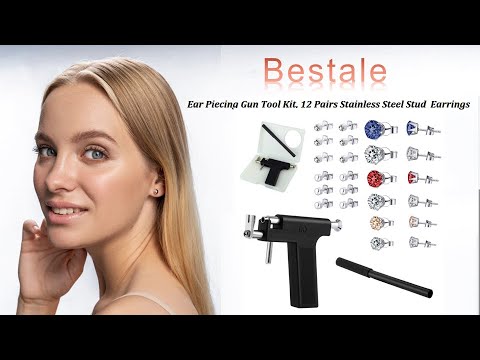
No, piercing with a gun is generally not considered a good or safe method for body piercing by piercing professionals. While convenient and often cheaper, the risks associated with piercing guns far outweigh any perceived benefits. Using a needle, performed by a trained professional in a sterile environment, is the recommended and safest method for body piercing.
Why Piercing Guns are Discouraged
The preference for needles over guns stems from a multitude of factors related to safety, hygiene, and healing. Let’s break down the key reasons why professionals advise against using piercing guns:
-
Sterilization Challenges: Piercing guns are often made of plastic components that cannot withstand the high temperatures of an autoclave, the standard sterilization equipment used in professional piercing studios. While some guns may have disposable cartridges, the gun itself comes into direct contact with the skin and bodily fluids, making it difficult to guarantee complete sterilization between clients. Wiping with alcohol is not sufficient to eliminate all pathogens. This poses a significant risk of cross-contamination and infection, including potentially serious diseases.
-
Tissue Trauma: Piercing guns use blunt force to shove the earring through the tissue. This causes significant trauma and tearing to the surrounding skin. This trauma can lead to increased pain, prolonged healing times, and a higher risk of scarring. In contrast, needles are hollow and specifically designed to create a clean, precise hole, minimizing damage to the tissue.
-
Inaccurate Placement: The design of piercing guns makes precise placement difficult. The operator often has limited visibility and control, which can result in misaligned or angled piercings. This can affect the aesthetic appearance of the piercing and potentially lead to complications during healing.
-
Limited Jewelry Options: Piercing guns are typically used with butterfly-back earrings, which are not ideal for initial piercings. These earrings often have sharp edges that can irritate the piercing site and are difficult to clean thoroughly. Furthermore, the tight fit of the butterfly back can restrict airflow and promote bacterial growth, increasing the risk of infection. Professional piercers use implant-grade jewelry made from materials like surgical steel or titanium, which are biocompatible and less likely to cause allergic reactions. They also ensure the jewelry allows room for swelling during the healing process.
-
Lack of Training and Expertise: Piercing guns are often used by individuals with minimal training on proper piercing techniques and infection control. They may not have a thorough understanding of anatomy, which can lead to piercings being placed in inappropriate or dangerous locations. Professional piercers undergo extensive training and apprenticeship to ensure they are knowledgeable about safe piercing practices, hygiene protocols, and potential complications.
Understanding the Needle Piercing Process
In contrast to piercing guns, the needle piercing process emphasizes safety, precision, and proper healing. Here’s what you can expect when getting pierced by a professional using a needle:
-
Consultation and Assessment: A reputable piercer will begin with a consultation to discuss your piercing goals, assess your anatomy, and answer any questions you may have. They will also explain the entire process, including aftercare instructions.
-
Sterile Environment: The piercing studio will maintain a clean and sterile environment, adhering to strict hygiene protocols. All instruments, including needles, will be single-use and pre-sterilized in an autoclave.
-
Marking and Preparation: The piercer will carefully mark the precise location for the piercing, ensuring proper placement and alignment. The area will then be thoroughly cleaned with an antiseptic solution.
-
Precise Piercing: Using a sterilized, hollow needle, the piercer will create a clean and precise hole through the tissue. The needle is then removed, and the jewelry is immediately inserted.
-
Proper Jewelry: Professional piercers use high-quality, implant-grade jewelry that is appropriate for initial piercings. This jewelry is biocompatible, easy to clean, and allows room for swelling.
-
Aftercare Instructions: The piercer will provide detailed aftercare instructions to help you properly care for your new piercing and prevent infection. They will also be available to answer any questions or address any concerns you may have during the healing process.
Choosing a professional piercer who uses needles ensures that you are receiving a safe, sterile, and well-executed piercing. This greatly reduces the risk of complications and promotes optimal healing.
Frequently Asked Questions (FAQs)
Here are 15 frequently asked questions to help you further understand the differences between piercing guns and needles and make informed decisions about your body piercings:
-
What exactly is the risk of infection with a piercing gun? The risk is elevated due to the difficulty in sterilizing the gun itself. Bodily fluids can become trapped in the plastic components, even with disposable cartridges. This creates an environment where bacteria, viruses, and other pathogens can thrive, potentially leading to infections such as staphylococcus, streptococcus, and even bloodborne diseases if proper sterilization protocols are not strictly followed.
-
Why are butterfly-back earrings bad for new piercings? Butterfly-back earrings, often used with piercing guns, are not ideal because they are difficult to clean, trapping bacteria and debris against the skin. The tight fit can restrict airflow and cause irritation, hindering the healing process and increasing the risk of infection. Furthermore, the sharp edges of the butterfly back can irritate the surrounding tissue.
-
What is implant-grade jewelry, and why is it better? Implant-grade jewelry refers to jewelry made from materials that are biocompatible, meaning they are less likely to cause allergic reactions or irritate the skin. Common implant-grade materials include surgical steel (316L or 316LVM) and titanium (ASTM F-136). These materials are specifically designed for use in the body and undergo rigorous testing to ensure their safety and compatibility.
-
How do I find a reputable piercer? Look for piercers who are licensed and certified by reputable organizations, such as the Association of Professional Piercers (APP). Check online reviews and ask for recommendations from friends or family. Visit the studio in person to assess its cleanliness and observe the piercer’s practices. A reputable piercer will be knowledgeable, experienced, and willing to answer all your questions.
-
What are the signs of a piercing infection? Signs of a piercing infection include redness, swelling, pain, pus or discharge, warmth around the piercing site, and fever. If you suspect you have a piercing infection, it’s crucial to seek medical attention promptly.
-
How long does it take for a piercing to heal? Healing times vary depending on the location of the piercing. Earlobes typically take 6-8 weeks to heal, while cartilage piercings can take several months or even a year. Proper aftercare is essential for promoting optimal healing.
-
What is the proper aftercare for a new piercing? Aftercare typically involves cleaning the piercing twice a day with a saline solution, avoiding harsh chemicals or irritants, and not touching or rotating the jewelry unnecessarily. Your piercer will provide specific aftercare instructions based on the location of your piercing.
-
Can I pierce my own ears at home? Piercing your own ears at home is strongly discouraged due to the risks of infection, improper placement, and tissue damage. It is always best to seek a professional piercer who has the knowledge, experience, and equipment to perform the piercing safely and correctly.
-
Is it cheaper to get pierced with a gun? While piercing with a gun may initially seem cheaper, the potential costs associated with complications, such as infections and scarring, can far outweigh the initial savings. Investing in a professional piercing with a needle is a safer and more cost-effective option in the long run.
-
Can I get pierced if I have allergies? Inform your piercer about any allergies you have, especially allergies to metals. They can recommend jewelry made from hypoallergenic materials, such as titanium, to minimize the risk of allergic reactions.
-
What if my piercing is crooked? If your piercing is crooked or misaligned, consult with a professional piercer. They may be able to remove the jewelry and allow the piercing to heal before re-piercing it in the correct location.
-
Can I remove my jewelry before the piercing is fully healed? It is generally not recommended to remove your jewelry before the piercing is fully healed, as this can cause the hole to close or become infected. If you need to remove your jewelry for any reason, consult with your piercer for guidance.
-
What are the regulations surrounding piercing with a gun? Regulations surrounding piercing with a gun vary depending on the location. In some areas, piercing with a gun may be prohibited or subject to strict regulations. It’s essential to research the laws and regulations in your area to ensure compliance.
-
Does getting pierced with a needle hurt more than a gun? While pain is subjective, most people report that piercing with a needle is less painful than piercing with a gun. Needles create a cleaner and more precise hole, minimizing trauma to the tissue. The blunt force of a piercing gun can cause more tearing and discomfort.
-
What questions should I ask a piercer before getting pierced? Before getting pierced, ask your piercer about their training and experience, their sterilization protocols, the types of jewelry they use, their aftercare instructions, and any potential risks or complications associated with the piercing. A reputable piercer will be happy to answer all your questions and address any concerns you may have.
By understanding the risks associated with piercing guns and the benefits of needle piercing, you can make informed decisions that prioritize your health and safety. Always choose a qualified professional who uses safe and sterile techniques.