Is Sekiro Appropriate? A Deep Dive into the Mature Action Game
Fast answer first. Then use the tabs or video for more detail.
- Watch the video explanation below for a faster overview.
- Game mechanics may change with updates or patches.
- Use this block to get the short answer without scrolling the whole page.
- Read the FAQ section if the article has one.
- Use the table of contents to jump straight to the detailed section you need.
- Watch the video first, then skim the article for specifics.
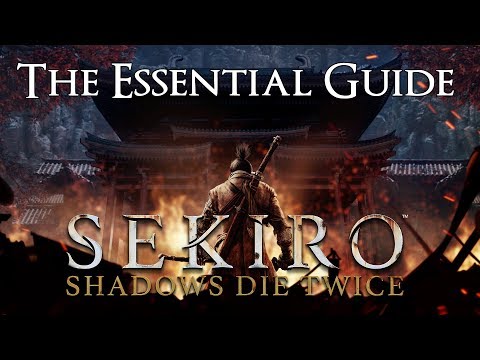
Determining whether Sekiro: Shadows Die Twice is appropriate depends heavily on individual maturity levels, sensitivities, and tolerance for graphic violence. The game is rated M for Mature (17+) by the ESRB and 18+ in many other regions, primarily due to its high levels of blood and gore. While it offers a compelling and rewarding gameplay experience, its intense combat and mature themes make it unsuitable for younger audiences and those easily disturbed by violence. In short, Sekiro is not appropriate for children, and even some adults may find its graphic content unsettling. The game’s mature rating should be taken seriously.
Understanding Sekiro’s Mature Content
Graphic Violence and Gore
Sekiro is characterized by its brutal and unforgiving combat system. Blood sprays are frequent and highly visible during battles. Attacks often result in enemies staggering dramatically, moaning in pain, and collapsing in a pool of blood. Some of the game’s more graphic moments involve dismemberment and decapitation. There are even cutscenes that depict further acts of violence, such as characters being impaled through the chest, face, or eyes.
The game does not shy away from showing the consequences of combat, with large blood-splatter effects accompanying each enemy defeat. While some might perceive a slightly cartoonish element to the gore compared to hyper-realistic portrayals, it remains undeniably graphic and pervasive.
Mature Themes and Tone
Beyond the explicit violence, Sekiro tackles themes that may be better suited for mature audiences. These themes include death, revenge, loss, and the corrupting influence of power. While the narrative is not excessively dark or morally ambiguous, the overall tone is serious and somber, punctuated by moments of graphic brutality.
The Impact of Death and Resurrections
Death is a constant feature in Sekiro. Players will die frequently as they learn the game’s complex mechanics. While death does not come with severe long-term penalties like permanently losing items, the game introduces a system called Dragonrot. Each death increases the risk of your NPCs contracting this disease. The system creates a sense of urgency and consequence that contributes to the game’s challenging and often grim atmosphere.
Content Mitigation Options
Blood Customization
While Sekiro doesn’t allow you to remove violence altogether, it does offer some options to lessen the impact of the blood. Through the in-game options menu, you can reduce blood effects, turning them black instead of red. You can also disable them entirely. These options are designed for those who find the constant red blood and gore excessive.
Focusing on Strategy over Brute Force
Despite the graphic nature of the combat, Sekiro is not a game that relies solely on mindless violence. The gameplay encourages and rewards patience and strategy. Successfully navigating Sekiro’s challenges requires players to master the game’s intricate combat mechanics, learn enemy attack patterns, and use the prosthetic tool effectively. This element of strategic gameplay can make it less focused on gratuitous violence and more about skillful execution.
Is Sekiro a Good Fit?
For Mature Gamers
For mature gamers who enjoy challenging combat-focused gameplay with a strategic approach, Sekiro is an excellent title. Its intricate combat, demanding bosses, and rich lore make for a rewarding experience for those who are not easily disturbed by the violence. It’s important to remember to take advantage of in game blood customization options for those who find the level of gore difficult.
For Young Gamers and Those Sensitive to Violence
Sekiro is generally unsuitable for young gamers. Its graphic violence, mature themes, and challenging gameplay are not appropriate for children. The same applies to individuals who are sensitive to blood and gore. Even with blood effects turned down or off, the underlying violence remains a core part of the game.
Frequently Asked Questions (FAQs)
1. Why is Sekiro rated M (Mature)?
Sekiro is rated M due to its intense violence, including frequent blood sprays, decapitations, dismemberment, and depictions of characters being impaled in violent ways. The gore is highly visible throughout gameplay.
2. Is the violence in Sekiro realistic?
The level of violence in Sekiro is graphic and frequent. While the art style may be perceived as somewhat cartoonish, it is still very bloody. The game does not shy away from showing the effects of attacks, including dismemberment and decapitation.
3. Can you turn blood off in Sekiro?
Yes, blood during gameplay can be lessened (turning it black) or disabled via the options menu.
4. Is Sekiro safe for kids?
No, Sekiro is not safe for kids due to its graphic violence and mature themes. It is rated M for mature (17+) for a reason.
5. Is Sekiro harder than other games in the Souls-like genre?
Many players believe that Sekiro is harder than most Dark Souls games and Bloodborne due to its emphasis on combat and deflection mechanics, which leaves little room for crafting builds to mitigate difficulty like in other Souls games.
6. Does Sekiro have a good story?
Yes, Sekiro has a good story with multiple endings and a rich lore. While it’s not a story-driven game in the traditional sense, the narrative elements complement its fast-paced action and offer many intriguing revelations as you progress.
7. What does Sekiro mean in Japanese?
The word “Sekiro” (隻狼) is a contraction of “Sekiwan no ōkami” (隻腕の狼), which translates as “one-armed wolf.”
8. Is dying okay in Sekiro?
Dying is a constant part of Sekiro. While it does not have severe penalties like losing items, repeated deaths can lead to the spread of Dragonrot among NPCs and can increase difficulty.
9. Does Sekiro have jump scares?
While not a horror game, Sekiro does have a few surprising moments including the Great Coloured Carp, that might qualify as jump scares. These are more in line with general surprises than outright horror.
10. How violent is Sekiro compared to Ghost of Tsushima?
While both games have violent content, Sekiro is often considered more graphic due to its higher volume of blood and more brutal animations. Ghost of Tsushima is often considered less explicit in its violence.
11. Does Sekiro have demons?
Yes, Sekiro has enemies and bosses that are demonic. The Demon of Hatred is a particularly notable example.
12. How many endings does Sekiro have?
Sekiro has four endings. These range from a “bad” ending (Shura) to three different “good” endings (Immortal Severance, Purification, and Return), with “Return” considered the true ending by many.
13. What happens if you beat Sekiro without dying?
If a player beats Sekiro without dying, the game does not provide any special unlock or ending. The claim that this grants all unlocks instantly is a misconception. The game does feature a built in death counter that can be seen, but it’s more for your own reference.
14. Is Sekiro too hard for new players of the genre?
Sekiro has a reputation for being extremely difficult, and many see it as one of the hardest games in the Soulslike genre. New players may find its combat unforgiving at first, but it is a beatable game with a focus on improvement and mastering its unique mechanics.
15. What rewards do you get for killing the snake in Sekiro?
After killing the snake, Sekiro players will receive the Fresh Serpent Viscera item, and will also unlock an associated achievement/trophy.