Is Sephiroth a Good Guy or Bad Guy? Unraveling the One-Winged Angel
Fast answer first. Then use the tabs or video for more detail.
- Watch the video explanation below for a faster overview.
- Game mechanics may change with updates or patches.
- Use this block to get the short answer without scrolling the whole page.
- Read the FAQ section if the article has one.
- Use the table of contents to jump straight to the detailed section you need.
- Watch the video first, then skim the article for specifics.
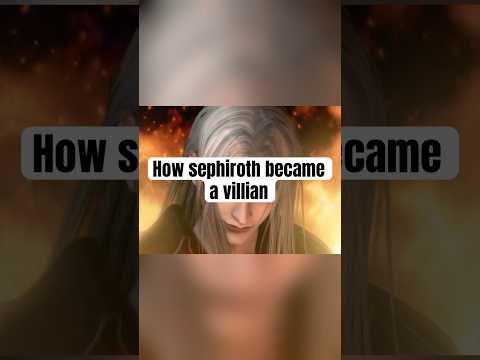
Sephiroth is unequivocally a villain, the main antagonist of Final Fantasy VII. While his descent into villainy is complex and fueled by tragedy and manipulation, his actions are ultimately destructive and driven by a desire for godhood at the expense of humanity. He is not simply “evil for the sake of evil,” but his path leads him to commit atrocities that firmly place him on the side of darkness.
The Nuances of Sephiroth’s Character
Sephiroth’s story is compelling precisely because he wasn’t always a monster. Understanding his trajectory requires examining his origins, his relationships, and the pivotal moment that shattered his perception of reality.
From SOLDIER Hero to Fallen Angel
Before the events of Final Fantasy VII, Sephiroth was a legendary figure within Shinra’s elite SOLDIER unit. Revered for his unmatched combat prowess and unwavering dedication, he was the epitome of a hero, a symbol of Shinra’s power and protection. Final Fantasy VII: Crisis Core sheds light on this period, showcasing Sephiroth’s camaraderie with other SOLDIER members like Zack Fair and his genuine desire to protect humanity. He was respected, admired, and even loved by those who served alongside him.
The Nibelheim Incident: A Breaking Point
The turning point in Sephiroth’s life, and the catalyst for his descent into madness, is the Nibelheim Incident. During a mission to investigate a Mako reactor in Nibelheim, Sephiroth uncovers the truth about his origins. He learns that he is the product of a Shinra experiment, created by injecting him with cells from the extraterrestrial being Jenova. This revelation, compounded by Shinra’s lies and manipulations, shatters his sense of identity and purpose. He comes to believe he is the last of the Ancients (Cetra), and that humanity is a threat to the Planet.
The Path to Villainy: Revenge and Godhood
Consumed by rage and a twisted sense of destiny, Sephiroth embarks on a path of destruction. He burns down Nibelheim, unleashing devastation and death upon the innocent townspeople. He steals Jenova’s head, believing it will grant him the power to reunite with the Planet and control the Lifestream, the Planet’s spiritual energy. His ultimate goal becomes godhood: to control the Planet and reshape it according to his own warped vision.
Why Sephiroth Resonates as a Villain
Sephiroth’s popularity as a villain stems from several factors:
- Compelling Backstory: His tragic origins and the betrayal he experiences make him a sympathetic figure, even as he commits terrible acts.
- Intriguing Motivations: While his methods are extreme, his desire to protect the Planet (albeit in a twisted way) resonates with environmental concerns and a rejection of corporate greed.
- Overwhelming Power: He is a formidable opponent, a seemingly unstoppable force that poses a real threat to the world.
- Iconic Design and Music: His striking appearance, the haunting melody of “One-Winged Angel,” and his calm, collected demeanor contribute to his iconic status.
While some may argue that his initial intentions were noble, Sephiroth’s actions speak louder than words. He chooses to inflict suffering and destruction on a massive scale, driven by a misguided belief in his own superiority and a desire for absolute control.
Frequently Asked Questions (FAQs) About Sephiroth
1. Was Sephiroth always evil?
No. Before the Nibelheim Incident, Sephiroth was a celebrated hero, a respected SOLDIER operative who fought to protect humanity. His descent into villainy was triggered by the revelation of his origins and Shinra’s betrayal.
2. What are Sephiroth’s motivations?
Initially, Sephiroth seeks revenge against Shinra for their lies and manipulation. He believes he is the last of the Ancients and seeks to protect the Planet from humanity’s destructive influence. Ultimately, his goal is to achieve godhood by controlling the Lifestream.
3. What is Sephiroth’s connection to Jenova?
Sephiroth was created through experiments involving Jenova cells. He believes Jenova is an Ancient and that he is destined to reunite with her and control the Planet.
4. Why does Sephiroth want to hurt Cloud?
Sephiroth sees Cloud as an obstacle to his plans. He also represents a reminder of Sephiroth’s failure at Nibelheim and a threat to his godhood. Cloud is a constant thorn in his side. The relationship between Cloud and Sephiroth is complicated and deeply intertwined with Zack Fair’s history.
5. What are Sephiroth’s weaknesses?
In the original game, Sephiroth has no inherent elemental or status weaknesses. However, he is vulnerable to physical attacks and strategic planning. In terms of character flaws, his arrogance and obsession can be exploited. His weaknesses in battle depend on the specific encounter and game mechanics.
6. Is Sephiroth immortal?
Technically, Sephiroth is not immortal in the traditional sense. However, thanks to Jenova cells and his connection to the Lifestream, he can reform after being defeated. His will and connection to the Planet allow him to persist even after physical destruction.
7. How old is Sephiroth in Final Fantasy VII?
Sephiroth is approximately 27-30 years old during the events of Final Fantasy VII.
8. What is Sephiroth’s relationship with Aerith?
During the game’s development, there were different iterations of their relationship. Aerith was initially envisioned as Sephiroth’s sister or former lover. However, in the final version, they do not have a direct familial or romantic connection.
9. Why is Sephiroth so popular as a villain?
His popularity stems from his compelling backstory, tragic fall from grace, complex motivations, overwhelming power, and iconic design.
10. Is Sephiroth stronger than Cloud?
In terms of raw power, Sephiroth is generally considered stronger than Cloud. However, Cloud’s determination, resilience, and the support of his allies allow him to overcome Sephiroth’s superior strength.
11. What is the significance of Sephiroth’s Masamune?
The Masamune is Sephiroth’s signature weapon, a long katana that symbolizes his power and menace. It represents his detachment from humanity and his embrace of darkness.
12. Did Sephiroth regret his actions?
There is no clear indication that Sephiroth regrets his actions. He remains committed to his vision of godhood until his final defeat.
13. What is the Nibelheim Incident?
The Nibelheim Incident is a pivotal event where Sephiroth discovers the truth about his origins and burns down the town of Nibelheim. This event marks his complete descent into madness and his transformation into the villain of Final Fantasy VII.
14. How does Crisis Core affect our understanding of Sephiroth?
Crisis Core provides crucial context for Sephiroth’s character by showcasing his heroic past and his relationships with Zack and other SOLDIER members. It highlights the tragedy of his fall and the events that led him to become a villain.
15. How do video games engage students in complex topics such as the complexities of a character like Sephiroth?
Video games, like Final Fantasy VII, offer interactive narratives that immerse students in the character’s journey, allowing them to explore motivations and consequences firsthand. GamesLearningSociety.org, the website for the Games Learning Society, explores the educational potential of games, including their ability to engage students in critical thinking and ethical reasoning. You can find relevant articles and research at https://www.gameslearningsociety.org/. By immersing players in the narrative and forcing them to make choices, games such as Final Fantasy VII can make players really think about the characters and motivations of a character such as Sephiroth.