Is SMITE a Turn-Based Game? Unpacking SMITE’s Gameplay and Defining Features
Fast answer first. Then use the tabs or video for more detail.
- Watch the video explanation below for a faster overview.
- Game mechanics may change with updates or patches.
- Use this block to get the short answer without scrolling the whole page.
- Read the FAQ section if the article has one.
- Use the table of contents to jump straight to the detailed section you need.
- Watch the video first, then skim the article for specifics.
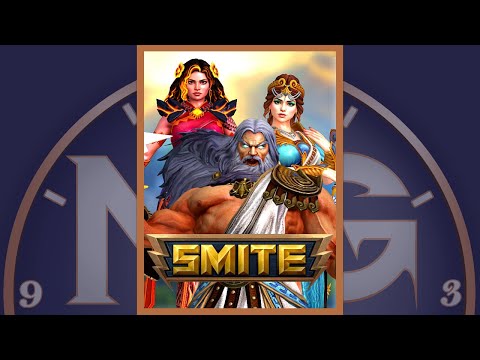
The definitive answer is a resounding no, SMITE is not a turn-based game. It’s a free-to-play, third-person multiplayer online battle arena (MOBA), where players control gods, goddesses, and other mythological figures in real-time combat. Instead of taking turns, players continuously maneuver, attack, and use abilities in a fast-paced, action-oriented environment. SMITE is more akin to an MMO PvP experience but with a strong emphasis on skill-based combat.
Understanding SMITE’s Core Mechanics
SMITE distinguishes itself from other MOBAs through its third-person perspective. This viewpoint drastically changes the feel of the game, demanding accurate aiming and awareness of your immediate surroundings, similar to first-person shooter (FPS) mechanics. Players use their chosen deity’s unique abilities, managing cooldowns and mana, to defeat opponents and objectives.
The primary game mode, Conquest, features a three-lane map with towers, phoenixes, and the ultimate objective – the enemy Titan. Teams of five compete to push lanes, destroy enemy structures, and ultimately defeat the Titan to secure victory. This strategic component, coupled with the real-time action, positions SMITE squarely in the action real-time strategy (ARTS) category alongside MOBAs.
The Real-Time Strategy Element
While SMITE focuses on action, the underlying strategy is crucial for success. Players must carefully consider:
- Team composition: Selecting a balanced team with different roles.
- Item builds: Choosing items that synergize with their deity and counter the enemy team.
- Map awareness: Keeping track of enemy movements and objectives.
- Objective control: Securing key objectives like buffs and towers.
These strategic decisions occur in real-time, demanding quick thinking and adaptation as the game evolves. The game combines elements of MMORPG and FPS games in operation. This means that unlike turn-based games, there is no waiting for your turn to come around – every second counts.
Dispelling the Turn-Based Misconception
The confusion might stem from the strategic depth of SMITE, which can be present in turn-based games. However, the fundamental difference lies in the simultaneous execution of actions. In SMITE, you’re constantly making decisions and reacting to enemy actions in real-time, whereas turn-based games involve sequential actions. Games like “Smite Tactics” (mentioned in the initial article excerpt) contributed to the misconception because it is a turn-based game from the same studio, Hi-Rez Studios, but fundamentally different from SMITE.
Exploring SMITE’s Popularity and Competitive Scene
SMITE has a dedicated player base across multiple platforms, including PC, Xbox One, PlayStation 4, and Nintendo Switch. While perhaps not as massive as League of Legends, SMITE maintains a strong presence, particularly on consoles where it enjoys near-monopoly status among MOBAs.
The game features a competitive scene with ranked play and professional tournaments, showcasing the high skill ceiling and strategic depth the game offers. Hi-Rez Studios uses a modified version of the TrueSkill System to track player performance and assign a Matchmaking Rating and a Variance score to the player. This MMR helps to match players of similar skill levels in ranked games.
Frequently Asked Questions (FAQs) About SMITE
1. What type of game is SMITE?
SMITE is a free-to-play, third-person multiplayer online battle arena (MOBA) and action real-time strategy (ARTS) game.
2. What is the objective in SMITE?
The primary goal is to destroy the enemy team’s base, represented by their Titan. Teams achieve this by pushing lanes, destroying towers and phoenixes, and ultimately defeating the Titan.
3. Is SMITE an MMO?
While SMITE incorporates elements similar to MMO PvP, it is not a traditional massively multiplayer online game. It focuses on smaller team-based battles rather than persistent open-world exploration.
4. How is SMITE gameplay structured?
The main game mode, Conquest, is played on a three-lane map with objectives like towers, phoenixes, and the Titan. Players choose from a roster of gods and goddesses with unique abilities to battle the opposing team.
5. Is SMITE a skill-based game?
Yes, skill is essential in SMITE. Success depends on factors such as accurate aiming, ability management, map awareness, strategic decision-making, and team coordination. The system uses a modified version of the TrueSkill System.
6. Is SMITE more beginner-friendly than League of Legends?
Some players find SMITE more accessible to beginners due to its third-person perspective and emphasis on direct action. The Reddit community generally suggests starting with Arena or Assault game modes to learn the game. However, League of Legends has a larger player base and more readily available guides, which can aid the learning process.
7. Is SMITE still popular?
Yes, SMITE remains popular, especially on consoles, where it is the dominant MOBA. It has a dedicated player base and a thriving competitive scene. The game boasts a large number of players, with over 40 million players.
8. How does SMITE differ from Overwatch?
Overwatch is a first-person shooter (FPS), while SMITE is a third-person MOBA. While both are team-based games, they differ significantly in perspective, gameplay mechanics, and objectives.
9. Is SMITE an online-only game?
Yes, SMITE is an online-only multiplayer game.
10. How long does an average SMITE game last?
The duration of a SMITE game varies depending on the game mode. Conquest games typically last 20-40 minutes, while faster-paced modes like Arena average around 15 minutes.
11. What are the different roles in SMITE?
The primary roles in SMITE are:
- Assassin: Jungle
- Guardian: Support (Duo Lane)
- Hunter: Carry (Duo Lane)
- Mage: Mid Lane
- Warrior: Solo Lane
12. What is the most popular game mode in SMITE?
Conquest is generally considered the most popular and traditional MOBA game mode in SMITE.
13. What games are similar to SMITE?
Other MOBA games similar to SMITE include League of Legends, Dota 2, and Paladins.
14. What is the ESRB rating for SMITE?
SMITE is rated T for Teen by the ESRB, citing Violence, Blood, Partial Nudity, and Alcohol Use.
15. How important is ping in SMITE?
Ping is crucial in SMITE due to its fast-paced combat. High ping can lead to noticeable lag, negatively impacting aiming, ability usage, and overall performance.
In summary, SMITE offers an exciting blend of action and strategy in a unique third-person MOBA format. It’s a real-time experience that demands skill, teamwork, and adaptability. For those interested in exploring the educational aspects of gaming, resources like the Games Learning Society (GamesLearningSociety.org) offer valuable insights.