Is Sonic.exe Good or Evil? A Deep Dive into the Creepypasta Phenomenon
Fast answer first. Then use the tabs or video for more detail.
- Watch the video explanation below for a faster overview.
- Game mechanics may change with updates or patches.
- Use this block to get the short answer without scrolling the whole page.
- Read the FAQ section if the article has one.
- Use the table of contents to jump straight to the detailed section you need.
- Watch the video first, then skim the article for specifics.
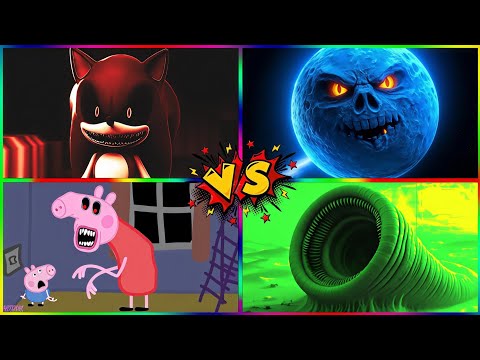
The question of whether Sonic.exe is good or evil is, at its core, rhetorical. He is definitively, unequivocally evil. Sonic.exe is not merely a mischievous entity or a misunderstood anti-hero. He is a malicious, sadistic, and omnipotent being designed to instill fear and horror. His entire existence revolves around torturing and killing iconic Sonic characters and trapping their souls in a state of eternal suffering within his twisted game world. He is the embodiment of digital dread and corrupted nostalgia, a stark contrast to the joyful and heroic image of the original Sonic the Hedgehog.
Understanding Sonic.exe: More Than Just a Creepypasta
Sonic.exe is a prominent figure in the world of creepypasta, a genre of internet horror stories that aim to disturb and unsettle readers. Unlike traditional villains with complex motivations, Sonic.exe’s evil is simple, primal, and absolute. He doesn’t seek world domination or have a tragic backstory. His purpose is purely to inflict suffering, making him a terrifyingly straightforward antagonist. His power stems from corrupting the familiar, turning beloved characters and environments into instruments of fear. This manipulation of nostalgia is what makes him so effective and disturbing. He preys on the emotional connection that players have with the Sonic universe.
The Origins of Digital Horror
The creation of Sonic.exe tapped into a growing vein of digital horror, exploring the unease surrounding technology and its potential for misuse. The story leverages the inherent trust we place in our devices and games, twisting that trust into a source of terror. By presenting a corrupted version of a well-known game, Sonic.exe disrupts our sense of security and reminds us that even the most innocent things can be turned into something horrifying.
Deconstructing the Evil: What Makes Sonic.exe So Terrifying?
Several factors contribute to Sonic.exe’s terrifying nature:
- Visual Horror: His distorted appearance, particularly his bleeding black eyes with glowing red pupils, is instantly unsettling. This visual corruption signifies a fundamental violation of Sonic’s inherent innocence.
- Power and Omnipotence: Sonic.exe possesses god-like abilities within his domain. He can manipulate reality, control characters, and inflict eternal torment, making him virtually unstoppable.
- Psychological Manipulation: He preys on the fears and vulnerabilities of his victims, breaking their spirits before ultimately killing them. His taunts and promises of suffering add a layer of psychological horror to his physical violence.
- Corruption of Innocence: The juxtaposition of a beloved childhood icon with horrific imagery is inherently disturbing. This corruption strikes at the heart of nostalgia and leaves a lasting impression.
- “I AM GOD”: This infamous line encapsulates his self-proclaimed divine status and his complete disregard for morality or empathy. It signifies his absolute power and his willingness to use it for purely malicious purposes.
The Impact of Sonic.exe on Gaming Culture
Sonic.exe has left an undeniable mark on gaming culture. He has spawned countless fan theories, fan games, and artistic interpretations, solidifying his place as a prominent figure in the creepypasta community. The character’s popularity highlights the enduring appeal of horror and the power of the internet to create and disseminate terrifying stories. Furthermore, Sonic.exe’s success has inspired numerous other creepypasta characters based on beloved video game franchises, demonstrating his lasting influence on the genre.
The character’s popularity even sparked discussions about copyright infringement and the ethical considerations of creating content based on existing intellectual property. While Sonic.exe itself is a work of fiction, its use of the Sonic the Hedgehog characters and universe raises questions about the boundaries of fan-created content and the rights of copyright holders. This example can be used in media literacy programs, the Games Learning Society (https://www.gameslearningsociety.org/), and other courses.
Frequently Asked Questions (FAQs) about Sonic.exe
Here are 15 frequently asked questions to delve deeper into the world of Sonic.exe:
1. Is Sonic.exe a real game?
No, Sonic.exe is not a real game in the traditional sense. He originated as a creepypasta story, a piece of horror fiction written and shared online. While there are fan-made games based on the story, these are created by independent developers and are not officially endorsed by Sega, the creators of Sonic the Hedgehog.
2. What is the origin of the Sonic.exe story?
The original Sonic.exe story was written by JC-the-Hyena in 2011 and shared online. It quickly gained popularity due to its disturbing imagery and effective use of nostalgia.
3. What are the key characteristics of Sonic.exe?
Key characteristics include his bleeding black eyes with glowing red pupils, his sharp teeth, his ability to manipulate reality within his game, and his sadistic nature. He often proclaims “I AM GOD.”
4. How does Sonic.exe kill his victims?
Sonic.exe’s methods vary depending on the story or fan interpretation. However, he typically uses his powers to torture his victims psychologically before ultimately killing them, often trapping their souls within his corrupted game world.
5. Who are Sonic.exe’s victims?
His victims are typically beloved characters from the Sonic the Hedgehog franchise, including Sonic himself, Tails, Knuckles, and others. This corruption of familiar characters is a key element of his horror.
6. What does “I AM GOD” mean in the context of Sonic.exe?
“I AM GOD” represents Sonic.exe’s omnipotence and his complete lack of empathy or morality. It signifies his control over his domain and his willingness to use his power for purely malicious purposes.
7. Are there different versions of the Sonic.exe story?
Yes, there are numerous fan-made versions and interpretations of the Sonic.exe story. These variations often explore different aspects of the character and his powers, adding to the complexity of the Sonic.exe mythos.
8. What is the appeal of Sonic.exe and other creepypastas?
The appeal lies in the combination of horror, nostalgia, and the unsettling feeling of corrupted familiarity. Creepypastas often tap into our deepest fears and anxieties, presenting them in a relatable and engaging way.
9. Is Sonic.exe related to any official Sonic the Hedgehog games?
No, Sonic.exe is entirely separate from the official Sonic the Hedgehog games. He is a fan-created character and has no official connection to Sega or the Sonic franchise.
10. Why is Sonic.exe so popular?
His popularity stems from his disturbing imagery, his ability to corrupt a beloved childhood icon, and the power of the internet to spread and amplify terrifying stories. He embodies the fears surrounding technology and the potential for misuse.
11. What is the significance of the blood in Sonic.exe’s design?
The blood symbolizes the violence and corruption that Sonic.exe represents. It is a visual indicator of his malevolent nature and his willingness to inflict pain and suffering.
12. How has Sonic.exe influenced other creepypastas?
Sonic.exe’s success has inspired numerous other creepypasta characters based on beloved video game franchises, demonstrating his lasting influence on the genre. He set a precedent for corrupting familiar characters and environments to create effective horror.
13. Can children play fan games based on Sonic.exe?
Due to the disturbing content and violent themes, fan games based on Sonic.exe are generally not suitable for children. Parental discretion is strongly advised.
14. What is the moral of the Sonic.exe story?
There isn’t a specific “moral” to the story, as it primarily focuses on creating a terrifying experience. However, it can be interpreted as a cautionary tale about the dangers of unchecked power and the potential for corruption. You can learn more about this at GamesLearningSociety.org.
15. Is Sonic.exe still relevant today?
Yes, Sonic.exe remains a prominent figure in the creepypasta community. He continues to inspire fan art, fan games, and discussions, solidifying his place as a lasting icon of internet horror.