Is Rust a Toxic Game? A Deep Dive into the Community and Mechanics
Fast answer first. Then use the tabs or video for more detail.
- Watch the video explanation below for a faster overview.
- Game mechanics may change with updates or patches.
- Use this block to get the short answer without scrolling the whole page.
- Read the FAQ section if the article has one.
- Use the table of contents to jump straight to the detailed section you need.
- Watch the video first, then skim the article for specifics.
The question of whether Rust is toxic is a complex one, and the answer isn’t a simple yes or no. While the game’s mechanics can foster some negative interactions, toxicity is more about the community and player behavior. At its core, Rust is a survival game that pits players against each other in a harsh, open-world environment with the ultimate goal of survival. This constant struggle for resources and power naturally leads to conflict and, at times, toxic interactions. However, it’s not necessarily inherent to the game itself, but how players choose to engage with it and each other. Let’s unpack the factors that contribute to this perception of toxicity and how it compares to other online games.
Understanding the Sources of Toxicity in Rust
Core Game Mechanics and Conflict
The fundamental design of Rust encourages competition and conflict. Players start with nothing and must scavenge for resources to build bases, craft weapons, and defend themselves. This setup naturally leads to conflict, as players often raid each other’s bases and engage in player-versus-player (PvP) combat. The nature of Rust revolves around stealing and destroying the progress of others, which can understandably generate frustration and aggression among players, therefore fostering an environment where toxicity can flourish.
Kill On Sight (KOS) and Early-Game Raiding
A common experience for new players in Rust is the practice of Kill On Sight (KOS), where players attack others immediately upon encountering them, without any prior interaction. This behavior, coupled with frequent early-game raids, where more experienced players target the newly built bases of less established players, can create an extremely hostile environment, particularly on public servers. These actions contribute significantly to the feeling of Rust being a toxic game, especially for newcomers.
Server Culture and Community
The level of toxicity in Rust can vary greatly depending on the specific server and its community. Some servers foster a more cooperative environment, with rules in place to discourage aggressive behavior. Conversely, others can be incredibly brutal, with little to no moderation and rampant KOS. Ultimately, the server culture significantly impacts a player’s experience, highlighting the importance of carefully selecting where you play.
Rollercoaster of Emotions and Addiction
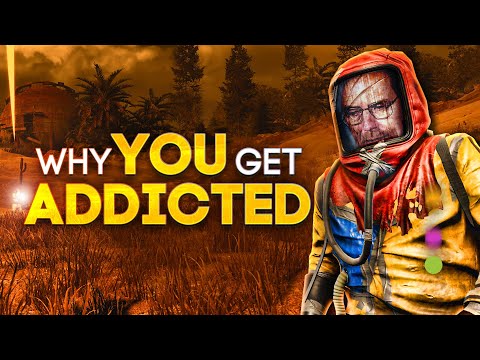
Rust is known for being an emotional rollercoaster. The highs of building a solid base, making successful raids and securing valuable loot are often juxtaposed by the lows of losing hours of progress to more seasoned players or hackers. This emotional volatility, combined with the game’s addictive nature, can lead to heightened levels of frustration that sometimes manifests as toxic behavior. This addictive nature of the game often drives the players to continue playing despite constant setbacks, leading to cycles of frustration and potentially to toxic interactions.
Comparing Rust’s Toxicity to Other Games
Rust vs. Call of Duty and Rocket League
While Rust is often cited as a toxic game, it is important to contextualize this claim. Games like Rocket League and Call of Duty are known for their own brands of toxicity. These tend to involve trash-talking and derogatory messages, often stemming from the competitive nature of ranked matches. While Rust has its own verbal battles, its toxicity often manifests in in-game actions, including griefing, raids, and KOS. This different flavour of toxicity doesn’t necessarily make one game more toxic than the other but rather highlights that the negative behaviors manifest differently across games.
Core Mechanics vs. Player Actions
It’s important to distinguish between core game mechanics and the behavior of players. Some of Rust’s core mechanics, like raiding and PvP, can feel toxic. However, these mechanics are not inherently bad, rather its the players actions. They are intended to be part of the challenging survival experience. The problem arises when players take advantage of the game’s freedom to harass, grief, and engage in other toxic actions. It’s the player behavior, not the game itself, that primarily contributes to the perceived toxicity.
Is Rust Fun to Play Solo?
Playing Rust solo is an exercise in survival, but can be incredibly difficult. The game’s design favours groups, and solo players often feel like they’re playing a losing game, making it hard to progress when facing larger groups. However, playing solo can be an exciting challenge, encouraging strategic thinking, stealth, and resource management. Ultimately, it is possible to enjoy Rust solo, but it often requires patience and careful server selection.
The Complexity of Rust
Rust is more than just a survival game. It’s a complex system of interactions between players, where actions have real consequences. While the game provides the playground for potential toxicity, it’s ultimately the player’s choice to engage in these toxic behaviors. Understanding this nuance is crucial in determining whether you’ll be able to tolerate the game’s unique community culture.
In conclusion, while Rust is a game where toxicity can exist, it is important to acknowledge that these behaviors come from player actions and not just from the game mechanics themselves. The decision to play should therefore come down to personal preference and tolerance for the harsh realities and potentially negative social interactions that are inherent to the game.
Frequently Asked Questions (FAQs) about Rust’s Toxicity
1. Is Rust really as toxic as people say?
Rust can be a very toxic game, especially on some public servers. Kill on Sight (KOS) and constant raiding can make it extremely challenging and frustrating, particularly for new players. However, not all servers are like this and a lot of the toxicity is driven by player behaviour, not the game itself.
2. Can you avoid toxicity in Rust?
Yes, you can mitigate exposure to toxicity by choosing your servers carefully. Look for servers with stricter rules or where moderators actively combat toxic behavior. You could also play with a group of friends or a clan, to avoid running into toxic players as a lone wolf.
3. Is Rust more toxic than games like Fortnite or GTA Online?
The nature of toxicity varies across games. Rust’s toxicity can be more focused on in-game actions like griefing and raiding, while games like Fortnite or GTA Online can have more verbal abuse and bad attitudes. Each game has their own specific toxicity issues.
4. Why are Rust players often so aggressive?
The game’s core mechanics, where survival depends on constant competition and conflict, encourage aggressive behavior. The constant fear of losing progress combined with the lack of rules on some servers also escalates tensions, leading to KOS and raiding.
5. Is Rust a good game for new players?
Rust can be difficult for new players due to its steep learning curve and often toxic environments. It’s recommended to start on a new player friendly server, and perhaps even join up with a team of veteran players to show the ropes.
6. Does Rust encourage cheating?
While cheating is not encouraged by the developers, Rust’s intense competitive environment can drive some players to resort to cheating. Server moderators and the game developers try to take action against it, but it remains a challenge to tackle.
7. How do Rust bans work?
Rust bans are issued for various reasons, including cheating, toxic behavior, account sharing/buying, griefing, and exploiting glitches. Multiple bans can result in permanent account closures.
8. Is Rust an addictive game?
Yes, Rust can be highly addictive due to its complex systems, the constant need for progression and the satisfaction of establishing a powerful base and getting good loot. The game has a strong replayability value which encourages players to return often.
9. Can I play Rust with just one friend?
Yes, playing Rust with just a friend is possible and can significantly improve your chances of survival. This is generally recommended, as it will be much less frustrating to play in a duo or a larger group.
10. Is Rust a pay-to-win game?
Rust is not a pay-to-win game. There are no in-game purchases that provide a competitive advantage. It is a one time purchase to gain full access.
11. What should I do if I encounter a toxic player in Rust?
If you encounter a toxic player, report them to the server moderators and try to avoid engaging with them. Some servers have rules that discourage harassment, so make sure you play on the ones that you are comfortable with.
12. What are some tips for solo players in Rust?
Solo players should focus on **stealth, resource management, and choosing servers carefully**. It’s recommended to start with a new player friendly server and play smart to minimise the risk of running into toxic players.
13. Is Rust memory safe?
Rust, the programming language, is memory-safe. This is not necessarily related to the game’s behaviour. Rust prevents memory leaks, ensures type safety, and has a strong emphasis on avoiding unsafe code.
14. Is Rust hard to learn?
Yes, **Rust is a hard game to learn** due to its complex mechanics, steep learning curve, and the competitive nature of the game. However, with patience and persistence, one can get used to it and start to enjoy the game.
15. Can I get banned for toxicity in Rust?
Yes, engaging in **toxic behavior can result in a ban from Rust servers**. Toxic behaviour, such as constant griefing, verbal abuse and cheating is grounds for a ban on most servers.