Is the Railroad Evil in Fallout 4? A Deep Dive
Fast answer first. Then use the tabs or video for more detail.
- Watch the video explanation below for a faster overview.
- Game mechanics may change with updates or patches.
- Use this block to get the short answer without scrolling the whole page.
- Read the FAQ section if the article has one.
- Use the table of contents to jump straight to the detailed section you need.
- Watch the video first, then skim the article for specifics.
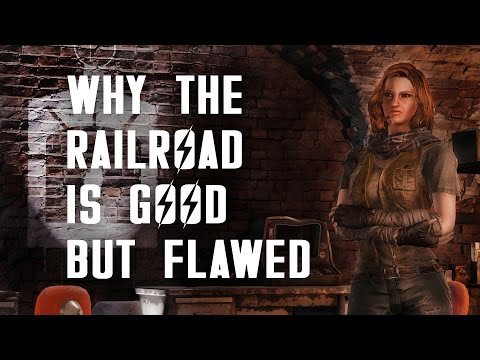
No, the Railroad in Fallout 4 isn’t inherently evil, but their methods and tunnel vision on synth liberation lead to morally questionable actions. Whether they are “good” or “bad” is a matter of perspective and depends heavily on your own moral compass within the game. The Railroad’s single-minded focus on freeing synths, even at the expense of human lives and broader societal concerns, places them in a gray area of morality. This article will delve into the complexities of the Railroad, examining their motivations, actions, and the wider implications of their choices in the Fallout 4 universe. This will allow players to make an informed decision on their own alliances in the game.
The Railroad’s Core Beliefs and Actions
The Railroad’s primary goal is the liberation of synths, artificial humans created by the Institute. They believe synths are sentient beings deserving of freedom and self-determination, just like any human. To achieve this, they infiltrate the Institute, rescue synths, wipe their memories, and give them new identities in the Commonwealth. This is where the moral ambiguity begins.
-
Liberation vs. Mind-Wiping: While freeing synths from potential enslavement is arguably a noble cause, the Railroad’s method of mind-wiping raises serious ethical questions. Are they truly liberating synths, or simply re-programming them into something they are not? This act essentially robs the synths of their past, their memories, and their unique identities.
-
Single-Minded Focus: The Railroad’s dedication to synth liberation often blinds them to the suffering and needs of humans in the Commonwealth. They prioritize the well-being of synths above all else, sometimes at the expense of human lives or the broader stability of the region. This narrow focus can be seen as a flaw, making them appear callous and uncaring to those outside their immediate cause.
-
Secrecy and Deception: The Railroad operates in secrecy, employing clandestine tactics and deception to achieve its goals. While necessary for survival, these methods can be interpreted as manipulative and untrustworthy. Their reliance on secrecy also makes it difficult for outsiders to understand their true motives and intentions.
Examining the Morality
To determine whether the Railroad is truly evil, we must examine the context of their actions within the brutal world of Fallout 4. The Commonwealth is a harsh and unforgiving place, where survival is a constant struggle. In this environment, moral compromises are often necessary.
-
The Institute’s Threat: The Institute is arguably the true villain of the game. Their experiments on humans, their creation of synths for labor and infiltration, and their general disregard for the well-being of the Commonwealth make them a clear antagonist. The Railroad’s actions can be seen as a response to this threat, a desperate attempt to protect synths from a life of enslavement.
-
Synth Sentience: The question of synth sentience is central to the debate surrounding the Railroad’s morality. If synths are simply machines, then the Railroad’s efforts may be misguided. However, if synths possess genuine consciousness and emotions, then their liberation becomes a moral imperative. This is a key point to consider.
-
Consequences of Actions: The Railroad’s actions have both positive and negative consequences. While they liberate synths and offer them a chance at a new life, they also destabilize the Commonwealth, provoke conflict with the Institute and Brotherhood of Steel, and potentially endanger the lives of innocent humans. Whether these consequences are justifiable is a matter of debate.
Player Choice and Perspective
Ultimately, whether the Railroad is “evil” is a matter of personal interpretation. Fallout 4 is designed to allow players to make their own choices and shape the narrative according to their own moral compass.
-
Roleplaying Considerations: Players who value individual freedom and believe in the rights of sentient beings may find the Railroad to be a sympathetic faction. Players who prioritize the well-being of humanity and distrust artificial intelligence may view them with suspicion or even hostility.
-
Ending Implications: The ending you choose in Fallout 4 will also influence your perception of the Railroad. Siding with them leads to the destruction of the Institute, potentially eliminating the threat of synth enslavement but also depriving humanity of valuable technological advancements. The Minutemen ending allows for a delicate balance.
The decision of whether or not to support the Railroad ultimately rests with the player, as does the determination of whether or not they’re truly evil. These factors all contribute to the larger world of Fallout 4, and the ultimate choices the player makes in the game.
Frequently Asked Questions (FAQs)
Here are 15 frequently asked questions about the Railroad in Fallout 4, designed to further explore their role, motivations, and moral complexities.
-
What is the main goal of the Railroad?
The Railroad’s primary objective is to free synths from the Institute and provide them with new identities and lives in the Commonwealth.
-
Why do people dislike the Railroad?
Some players dislike the Railroad due to their mind-wiping of synths, their perceived indifference to human suffering, and their secretive and manipulative tactics.
-
Are synths truly sentient in Fallout 4?
The game implies that synths possess consciousness and emotions, but the extent of their sentience is open to interpretation. This is a key question that affects the moral implications of the conflict between the Railroad and the Institute.
-
What are the consequences of siding with the Railroad?
Siding with the Railroad leads to the destruction of the Institute, potentially eliminating the threat of synth enslavement but also depriving humanity of valuable technological advancements.
-
Can you maintain good relations with other factions while working with the Railroad?
Yes, up to a certain point. It is possible to work with both the Railroad and the Minutemen simultaneously. However, siding with the Railroad will eventually lead to conflict with the Institute and the Brotherhood of Steel.
-
Does the Railroad care about humans?
While their primary focus is on synth liberation, some members of the Railroad do care about humans and are willing to help those in need. However, their dedication to synths often takes precedence.
-
Why does the Brotherhood of Steel hate the Railroad?
The Brotherhood of Steel views synths as abominations of technology and believes they pose a threat to humanity. They seek to destroy all synths, putting them in direct conflict with the Railroad.
-
Is Desdemona a good leader?
Desdemona, the leader of the Railroad, is a complex character. She is fiercely dedicated to her cause but can also be seen as uncompromising and ruthless. Her leadership is effective, but her methods are often questionable.
-
What happens to the synths after they are freed by the Railroad?
The Railroad provides freed synths with new identities, memories, and lives in the Commonwealth. They try to integrate them into society and protect them from recapture by the Institute.
-
How does the Railroad choose which synths to rescue?
The Railroad typically targets synths who have shown signs of self-awareness or a desire for freedom. They also respond to requests for help from synths who are suffering under the Institute’s control.
-
Is the Railroad a well-organized faction?
The Railroad is a relatively small and secretive organization, but they are well-organized and efficient. They have a network of safe houses and informants throughout the Commonwealth.
-
Can you betray the Railroad?
Yes, it is possible to betray the Railroad by siding with the Institute or the Brotherhood of Steel. Doing so will make them your enemies.
-
What are the benefits of joining the Railroad?
Joining the Railroad provides access to unique quests, characters, and rewards, including advanced stealth equipment and upgrades.
-
How does the Railroad view the Minutemen?
The Railroad generally views the Minutemen favorably, as they both share a desire to protect the people of the Commonwealth. It is possible to work with both factions simultaneously.
-
Are there any alternative solutions to the synth problem in Fallout 4?
The game offers limited opportunities for peaceful resolution. The Minutemen ending allows for a degree of coexistence, but ultimately, the conflict between humans and synths remains unresolved.
Remember, the moral landscape of Fallout 4 is complex and nuanced. There are no easy answers, and each faction has its own flaws and virtues. Consider these aspects carefully as you play through the game. To further enrich your understanding of games and their impact, consider exploring the resources available at the Games Learning Society and GamesLearningSociety.org. This organization focuses on the educational and social aspects of games and game design.