Is The Witcher Too Scary? A Deep Dive into Gore, Monsters, and More
Fast answer first. Then use the tabs or video for more detail.
- Watch the video explanation below for a faster overview.
- Game mechanics may change with updates or patches.
- Use this block to get the short answer without scrolling the whole page.
- Read the FAQ section if the article has one.
- Use the table of contents to jump straight to the detailed section you need.
- Watch the video first, then skim the article for specifics.
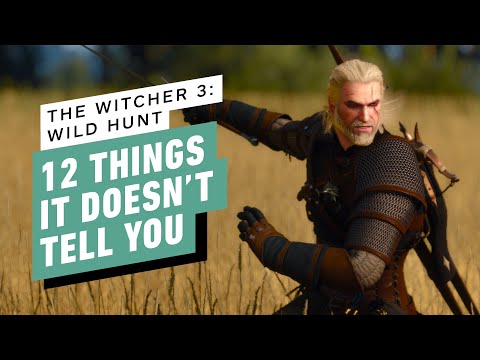
Whether The Witcher is too scary is subjective, hinging entirely on your tolerance for gore, violence, and unsettling themes. It’s not a traditional horror experience packed with jump scares, but it features gruesome depictions of combat, monstrous encounters, and disturbing storylines that might be overwhelming for some viewers or players. If you’re sensitive to graphic violence, cannibalism, or unsettling imagery, The Witcher might be too intense. However, if you appreciate a dark fantasy setting with mature themes and aren’t easily fazed by on-screen brutality, you might find the scary elements to be an engaging part of the overall experience.
Unpacking the Elements of Fear in The Witcher
The World: A Grimdark Setting
The world of The Witcher, whether experienced through the books, games, or Netflix series, is undeniably grim. It’s a dark fantasy world where monsters roam freely, humans are often just as cruel as the beasts they hunt, and morality is constantly challenged. This constant sense of unease and moral ambiguity contributes to the overall feeling that the game is not for the faint of heart. Poverty, disease, and corruption are rampant, creating a pervasive atmosphere of dread and despair.
The Monsters: More Than Just Jump Scares
The monsters in The Witcher are not just there for cheap thrills. They are intricately designed and often deeply unsettling. Many are inspired by folklore and mythology, but with a distinctly darker twist. These monsters aren’t just scary visually; they often present a genuine threat and require strategic thinking and preparation to defeat. Creatures like the Striga, Leshy, and Flesh Monster are among the most memorable for their terrifying designs and backstories.
Violence and Gore: Graphic and Unflinching
The Witcher doesn’t shy away from depicting violence in a graphic and often disturbing manner. Combat scenes are brutal, with frequent decapitations, dismemberments, and impalings. The show and games contain scenes depicting cannibalism and suicide, adding to the mature and often unsettling nature. The game’s combat is exceptionally violent, with blood, gore, and dismemberment.
Psychological Horror: Unsettling Themes
Beyond the jump scares, gore, and unsettling monsters, The Witcher employs psychological horror. The plots often explore challenging themes such as betrayal, loss, prejudice, and the complexities of morality. Quests can be unsettling, forcing players and viewers to make difficult decisions with serious consequences. These plotlines contribute significantly to the “creepy vibe” of The Witcher.
Content Considerations: Is The Witcher Suitable for Everyone?
Age Appropriateness
Given the levels of violence and mature themes, The Witcher is generally not considered appropriate for younger audiences. The Netflix series is rated MA (Mature) and the games are generally rated M (Mature) by the ESRB, suggesting they are intended for audiences aged 17 and older.
Individual Sensitivities
Even for adults, The Witcher may not be suitable for everyone. If you are particularly sensitive to graphic violence, gore, or depictions of suffering, you might find the series or game to be too disturbing. It’s important to consider your own tolerance levels before diving into the world of The Witcher.
The Witcher: A Scary Experience, But Not Just Horror
Ultimately, The Witcher isn’t strictly a horror series or game, but it contains elements that can be scary and disturbing. The darkness, unsettling atmosphere, gore, mature themes, and frightening monsters make it a potentially challenging experience for some. However, for others, these elements are integral to the immersion and narrative depth that makes The Witcher so compelling.
There are many educational games available for different age groups. You can learn more by exploring the website of the Games Learning Society at https://www.gameslearningsociety.org/.
Frequently Asked Questions (FAQs)
1. Is The Witcher show ok for 13 year olds?
Generally, no. The show contains a ton of bloody, gory, and disturbing violence, making it unsuitable for most 13-year-olds. While some might argue that certain scenes can be skipped, the pervasive nature of the violence makes it difficult to avoid entirely.
2. Does The Witcher have Jumpscares?
Not primarily. The Witcher relies more on atmosphere and unsettling imagery than cheap jump scares. While there might be a few startling moments, the primary source of fear comes from the creepy vibe, ominous mood, and disturbing quest lines.
3. What is the scariest creature in The Witcher?
This is subjective, but many find the Flesh Monster, Striga, Leshy, and the Wild Hunt to be among the most terrifying. Their designs, lore, and the way they are portrayed in the games and series contribute to their disturbing nature.
4. How bad is the gore in The Witcher?
The gore is very gruesome. The series and games contain scenes of strong, bloody violence, gore, cannibalism, and suicide. Battle scenes frequently depict decapitations, mutilation, and impaling.
5. Is The Witcher Netflix very scary?
The Netflix adaptation retains much of the violence and gore from the source material, making it potentially scary for viewers sensitive to such content. It contains scenes of strong violence, cannibalism, and disturbing imagery.
6. Why is Witcher 3 rated so high?
Witcher 3 is highly regarded for its excellent main story, compelling characters, dark and gritty tone, and rich fantasy setting. The game allows players to become emotionally invested in the story and its characters.
7. What is The Witcher about?
The Witcher follows Geralt of Rivia, a monster hunter in a dark fantasy world filled with corrupt kings, queens, and mages. It explores themes of poverty, violence, intolerance, and the blurring lines between humans and monsters.
8. Why is witcher 3 so creepy?
The Witcher 3 is creepy due to its terrifying monsters, stomach-churning violence, and unsettling themes. The game doesn’t shy away from showing the darker aspects of its world.
9. Why are fans mad at The Witcher?
Some fans have expressed anger over perceived deviations from the source material, including changes to characters and plot lines. Race swapping and other casting decisions have been criticized as “political”.
10. How violent is The Witcher?
The Witcher is very violent. It features scenes of strong, bloody violence, gore, cannibalism, and suicide. The battle scenes are extremely bloody and gory with decapitations, mutilation, and impaling being frequent.
11. Why did Henry Cavill leave The Witcher?
The specific reasons are debated, but likely involve a combination of factors. These include the physically demanding nature of the role, scheduling conflicts, and potentially creative differences regarding the show’s direction compared to the source material.
12. How will Liam Hemsworth replace Henry Cavill?
Liam Hemsworth will take over the role of Geralt of Rivia starting with Season 4. The transition will likely involve some explanation within the show’s narrative, though the exact details remain to be seen.
13. What is the #1 scariest movie on Netflix?
Identifying a single “#1 scariest movie” is subjective and changes over time. Popular horror movies on Netflix often include titles like “Fear Street,” “Umma,” “The Perfection,” and “The Pope’s Exorcist.”
14. How do people not get scared by Jumpscares?
Coping strategies include self-distraction (thinking about something else) and reframing (reminding yourself that it’s just a movie). Reducing pre-startle anxiety can also help.
15. Why is The Witcher so scary?
The Witcher is scary due to a combination of factors: its grimdark world, terrifying monsters, graphic violence, and unsettling psychological themes. It’s not a traditional horror experience but can be disturbing for those sensitive to such content.