Is There an Egyptian God of War? Unveiling the Complex Pantheon
Fast answer first. Then use the tabs or video for more detail.
- Watch the video explanation below for a faster overview.
- Game mechanics may change with updates or patches.
- Use this block to get the short answer without scrolling the whole page.
- Read the FAQ section if the article has one.
- Use the table of contents to jump straight to the detailed section you need.
- Watch the video first, then skim the article for specifics.
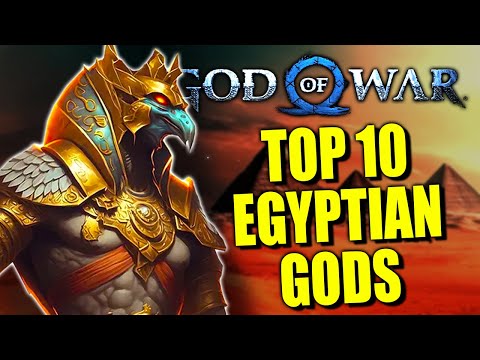
Yes, ancient Egypt indeed had gods associated with war, though their roles and characteristics were multifaceted and evolved over time. The most prominent Egyptian god of war was Montu, a falcon-headed deity embodying the conquering vitality of the pharaoh. However, the concept of war was also intertwined with other deities like Set, Horus, and even, in certain aspects, goddesses like Sekhmet. Understanding the Egyptian concept of war requires looking beyond a single, simple “god of war” and exploring the various deities who played roles in conflict, protection, and the maintenance of cosmic order.
The Nuances of Warfare in Ancient Egyptian Religion
The Egyptian pantheon wasn’t static. Gods and their roles shifted as the religion developed over millennia. So, while Montu might be considered the most straightforward answer to the question of an Egyptian war god, it’s far more complex.
Montu: The Falcon of Conquest
Montu was primarily a god of war. Depicted with a falcon’s head, symbolizing aggression and power, he represented the pharaoh’s strength and the raw energy of combat. Cities like Armant, near Thebes, were dedicated to Montu, and pharaohs would invoke his name to secure victory in battle. The Theban kings of the 11th dynasty adopted Montu as their patron. The epithets associated with Montu clearly show his warlike nature, such as ‘Montu in his wrath’ and ‘Lord of Thebes’.
Set: Chaos and Necessary Violence
Set (also spelled Seth or Sutekh) is a more complicated figure. He was the god of chaos, storms, deserts, and foreigners, but also strongly associated with war and violence. Often misunderstood as purely evil, Set played a crucial role in Egyptian cosmology. He defended Ra, the sun god, against the serpent Apep during his nightly journey through the underworld. Set’s association with warfare wasn’t solely destructive; it was a necessary force to maintain cosmic balance. He embodied the destructive yet creative element of violence and disorder. Set represents the untamed, unpredictable forces that could lead to both destruction and renewal.
Horus: Protection and Rightful Rule
Horus, the falcon-headed god, is most recognized as the son of Osiris and Isis and the opponent of Set in the battle for the throne of Egypt. While not exclusively a god of war, he was strongly linked to protection, kingship, and the pharaoh. Pharaohs were seen as earthly embodiments of Horus. In the earliest stages of Egyptian religion, Horus was indeed considered a god of war and the sky. His role as the protector of the pharaoh and the embodiment of rightful rule meant he was intrinsically connected to warfare, particularly in the defense of Egypt.
Sekhmet: The Fierce Protector
While often overlooked in discussions of war gods, Sekhmet, the lion-headed goddess, deserves mention. She was a powerful deity associated with healing, medicine, and, most importantly, fierce protection. She was believed to unleash her destructive power against enemies, and her name translates to “the powerful one.” Sekhmet embodies the destructive aspect of divine power, unleashed to protect the innocent and maintain order.
Other Gods and the Concept of War
Other deities could be associated with aspects of war depending on the context. For example, Thoth, the god of wisdom and writing, could be invoked for strategic planning and the recording of victories. The concept of war in ancient Egypt wasn’t simply brute force; it was interwoven with concepts of cosmic order, rightful rule, protection, and even necessary chaos.
FAQs: Delving Deeper into Egyptian Gods and War
Here are 15 frequently asked questions to further illuminate the understanding of Egyptian gods and their connection to war:
-
Was there one single, definitive Egyptian god of war above all others? No. While Montu is the closest to a dedicated war god, the concept of war was distributed among several deities, each representing different facets of conflict.
-
How did the role of Horus evolve in relation to warfare? Initially, Horus was a war god himself. Later, his role shifted to the protector of the pharaoh and the embodiment of rightful rule, connecting him to warfare as a defender of Egypt.
-
Why is Set often considered a villain in Egyptian mythology? Set’s association with chaos, storms, and the murder of Osiris contributed to his negative image. However, he also played a vital role in defending Ra from Apep, demonstrating his necessary, if violent, function in the cosmos.
-
What was Sekhmet’s role in warfare? Sekhmet was not a god of warfare in the traditional sense, but rather the deity of divine wrath and protection, unleashing destructive power against the enemies of Egypt and the pharaoh.
-
How did the pharaoh relate to the gods of war? The pharaoh was seen as the earthly embodiment of Horus and often associated with Montu, embodying their strength and leadership in battle.
-
Did the Egyptians believe in a goddess of war? While not explicitly a “goddess of war”, Sekhmet embodies the fierce protective aspect associated with warfare, making her a powerful female figure in the context of conflict.
-
Is Anubis a god of war? No, Anubis was the god of mummification, the afterlife, and the protector of the dead.
-
Is Osiris a god of war? No, Osiris was the god of fertility, agriculture, the afterlife, and resurrection.
-
Who replaced Anubis as the ruler of the dead? Osiris eventually replaced Anubis as the ruler of the dead.
-
What color is Anubis depicted in, and what does it symbolize? Anubis is depicted in black, symbolizing regeneration, life, the fertile soil of the Nile River, and the discoloration of corpses after embalming.
-
What were the weapons associated with the Egyptian gods of war? Montu was often depicted with weapons such as axes and spears, symbolizing his martial prowess. Other gods might be associated with different weapons depending on their specific roles.
-
How did the Egyptians depict their gods of war in art? Montu was typically depicted with a falcon’s head, symbolizing his aggressive and powerful nature. Set was often shown with the head of an unidentifiable animal. Horus was portrayed with the head of a falcon as well.
-
What were the temples dedicated to the Egyptian gods of war like? Temples dedicated to gods like Montu were often centers for military training and recruitment. They also served as places of worship and offerings, intended to appease and empower the gods.
-
How did the Egyptian concept of war differ from that of other ancient cultures? The Egyptian concept of war was deeply interwoven with their religious beliefs and cosmology. Warfare was not merely a means to conquer territory but also a way to maintain cosmic order and protect the pharaoh’s divine authority.
-
How are Egyptian gods of war represented in modern media, such as video games? Egyptian gods of war often appear in video games, sometimes accurately representing their ancient roles and characteristics, while other times taking creative liberties for narrative purposes. This intersect between gaming and history is a great way to engage and educate on historical topics. Organizations like the Games Learning Society can provide insights on educational games and learning through game design. Check out GamesLearningSociety.org for more!
Conclusion: A Multifaceted Understanding of War in Ancient Egypt
In conclusion, while Montu is the most straightforward answer to the question of whether there was an Egyptian god of war, the concept of war in ancient Egypt was multifaceted and deeply interwoven with their religious beliefs. Deities like Set, Horus, and Sekhmet also played significant roles in the context of conflict, protection, and the maintenance of cosmic order. Understanding these various deities and their evolving roles is crucial for gaining a comprehensive understanding of warfare in ancient Egyptian religion.