Is The Witcher 3 Mostly Cutscenes? A Deep Dive into Narrative and Gameplay
Fast answer first. Then use the tabs or video for more detail.
- Watch the video explanation below for a faster overview.
- Game mechanics may change with updates or patches.
- Use this block to get the short answer without scrolling the whole page.
- Read the FAQ section if the article has one.
- Use the table of contents to jump straight to the detailed section you need.
- Watch the video first, then skim the article for specifics.
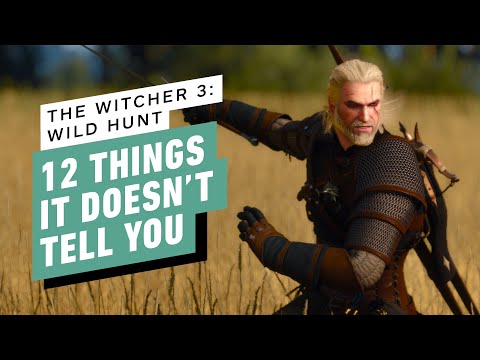
The Witcher 3: Wild Hunt is renowned for its rich narrative, expansive open world, and compelling characters. However, a common question among prospective players is whether the game is overwhelmed by cutscenes. The answer is a resounding no. While The Witcher 3 features a significant amount of story-driven content delivered through cutscenes and dialogues, it is far from being mostly cutscenes. The gameplay, encompassing combat, exploration, questing, and crafting, remains the dominant experience. Players spend considerably more time actively engaging with the world than passively watching it unfold. The approximately 15 hours of cutscenes are carefully interspersed within a game that can easily take over 100 hours to complete, even without aiming for 100% completion. So, while the cutscenes are an important part of the game, the gameplay elements overshadow cutscenes.
The Role of Cutscenes in The Witcher 3
Cutscenes in The Witcher 3 serve several crucial purposes:
- Advancing the main plot: Key story beats, character introductions, and major plot twists are often unveiled through cutscenes.
- Providing character development: Cutscenes allow for deeper exploration of characters’ motivations, relationships, and backstories.
- Establishing the world and atmosphere: The game world is visually stunning and fully immersive, and this is reflected in the cutscenes.
- Creating cinematic moments: The Witcher 3 uses cutscenes to deliver epic battles, emotional confrontations, and other memorable sequences.
The dialogue system also plays a crucial role, as player choices influence the direction of the plot and the outcome of quests. While these conversations aren’t always presented as traditional cutscenes, they are integral to the narrative experience and can significantly impact gameplay.
Gameplay vs. Cutscenes: The Balance
The key to understanding the role of cutscenes in The Witcher 3 is recognizing the balance between narrative and gameplay. While the game has a strong emphasis on storytelling, it does not sacrifice gameplay in favor of extended cinematics.
- Exploration: The massive open world of The Witcher 3 encourages exploration, with hidden locations, monster nests, and treasure troves waiting to be discovered.
- Combat: The combat system is complex and challenging, requiring players to master different fighting styles, utilize signs (magic), and craft potions and oils.
- Questing: Hundreds of side quests, contracts, and treasure hunts provide hours of engaging gameplay.
- Crafting and Alchemy: Gathering resources and crafting new weapons, armor, potions, and oils is essential for survival.
Players will typically spend significantly more time engaged in these activities than watching cutscenes. Therefore, even with a strong narrative presence, the emphasis remains on active participation and agency within the game world. The immersive experience is achieved not just through narrative, but the seamless integration of storytelling with compelling gameplay.
Factors Influencing Perceived Cutscene Frequency
Several factors can influence a player’s perception of how frequently cutscenes occur:
- Playstyle: Players who prioritize the main questline and rush through the story may encounter cutscenes more often than those who explore the world and engage in side activities.
- Pacing: The pacing of the game is intentionally varied, with periods of intense action interspersed with slower, more dialogue-heavy sequences.
- Personal preference: Some players find cutscenes engaging and immersive, while others prefer to minimize them and focus on gameplay.
It’s important to remember that cutscenes can be skipped, although some may stop at dialogue choices. This gives players the freedom to tailor their experience and avoid excessive cinematic sequences if desired.
Frequently Asked Questions (FAQs)
Here are 15 frequently asked questions about The Witcher 3, designed to give you a better understanding of the game:
1. How long are the cutscenes in The Witcher 3?
The Witcher 3 contains approximately 15 hours of cutscenes throughout the entire game, including the main story and expansions.
2. Can I skip cutscenes in The Witcher 3?
Yes, cutscenes can be skipped, though the game will stop at dialogue choices.
3. Is The Witcher 3 a story-heavy game?
Yes, The Witcher 3 is known for its incredibly deep story, intricate world, and immersive narratives.
4. Does The Witcher 3 require playing the previous games?
No, The Witcher 3 is designed to be enjoyed without playing the previous games. While knowing the lore enhances the experience, it’s not necessary.
5. Is The Witcher 3 difficult?
The Witcher 3 has various difficulty settings that can make the game as challenging or accessible as players prefer.
6. How long does it take to complete The Witcher 3?
The main story of The Witcher 3 takes about 56 hours to complete. 100% completion can take around 188 hours.
7. Is The Witcher 3 appropriate for all ages?
No, The Witcher 3 contains mature themes, violence, gore, and sexual content, making it unsuitable for younger players.
8. Why is The Witcher 3 so highly regarded?
The Witcher 3 is highly regarded due to its compelling story, immersive world, well-developed characters, and engaging gameplay.
9. How big is the map in The Witcher 3?
The Witcher 3 has a large, open-world map measuring approximately 88 square miles (142 square kilometers).
10. Does The Witcher 3 have replay value?
Yes, The Witcher 3 has high replay value due to its branching storylines, multiple endings, and different choices that can be made.
11. What makes The Witcher 3’s world so immersive?
The game offers players a wide range of choices that have lasting consequences, and the world responds to those choices in meaningful ways.
12. What are some of the most challenging aspects of The Witcher 3?
The monster battles are righteously scary, with giant creatures equipped with scary faces, claws, unearthly long arms, and the like; when main Witcher Geralt fights them, there’s dark blood, scary music, hacked off limbs, and visuals of the dead bodies of monsters.
13. What are some activities to do besides the main quest in The Witcher 3?
The Witcher 3 offers a wide range of side quests, contracts, treasure hunts, Gwent (a card game), and exploration.
14. Are there any educational benefits to playing The Witcher 3?
Games like The Witcher 3 offer a rich opportunity to learn about narrative design, world-building, and the impact of player choices. Organizations like the Games Learning Society ( GamesLearningSociety.org ) explore these connections in detail. The careful study of games is vital.
15. Is The Witcher 3 a good choice for RPG beginners?
While it’s complex, The Witcher 3 is relatively accessible to RPG beginners, thanks to its clear tutorials and varied difficulty settings.
Conclusion
The Witcher 3: Wild Hunt is a masterful blend of narrative and gameplay. While cutscenes play an important role in delivering the story and developing characters, they do not overshadow the core gameplay experience. Players who enjoy engaging narratives, expansive open worlds, and challenging combat will find The Witcher 3 to be a truly rewarding experience. The game offers a seamless integration of storytelling and interactive gameplay, ensuring that players are active participants in the world of The Witcher, not just passive observers.