Should I Brave the Demon Ruins in Dark Souls? A Comprehensive Guide
Fast answer first. Then use the tabs or video for more detail.
- Watch the video explanation below for a faster overview.
- Game mechanics may change with updates or patches.
- Use this block to get the short answer without scrolling the whole page.
- Read the FAQ section if the article has one.
- Use the table of contents to jump straight to the detailed section you need.
- Watch the video first, then skim the article for specifics.
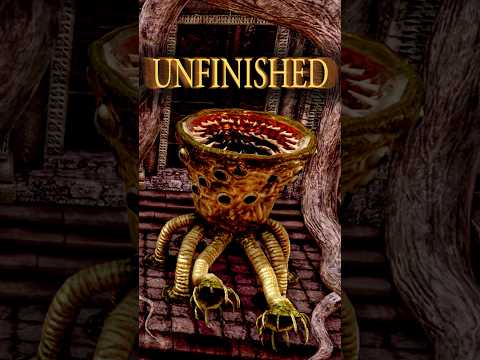
The Demon Ruins in Dark Souls is a notoriously challenging area, often leaving players wondering when they should venture into its fiery depths. The short answer is: not immediately after Quelaag. While technically accessible after defeating Quelaag, tackling the Demon Ruins at that point is generally not advisable for most players. It’s best to first conquer Sen’s Fortress and Anor Londo and even consider exploring the Catacombs and New Londo Ruins beforehand.
The Demon Ruins, and the subsequent Lost Izalith, are designed to test players significantly, often requiring a higher level and better equipment than what you would have right after Quelaag. The enemies are relentless, and the environment is dangerous, making it a true gauntlet for any player. Therefore, while the path is technically open, it’s best treated as an end-game or late-game area in terms of when you should explore it. This doesn’t mean completely avoid it, but rather, proceed with caution and strategic planning.
Why Delay Your Descent into the Demon Ruins?
Rushing into the Demon Ruins without adequate preparation can lead to frustration and potentially stall your progress. Here’s a breakdown of why delaying your visit is beneficial:
- Difficulty Curve: The Demon Ruins introduces a substantial difficulty spike compared to earlier areas, especially for players who are not yet fully comfortable with the game’s mechanics. Enemies here deal heavy fire damage, and are often clustered in challenging positions.
- Equipment Requirements: You’ll need gear that offers good fire resistance and damage output to effectively handle the area. The enemies in the Demon Ruins are resilient, and using under-leveled gear will put you at a severe disadvantage.
- Experience and Skill: By the time you’ve completed Sen’s Fortress and Anor Londo, you’ll have gained invaluable experience, which translates to better timing, enemy awareness, and overall combat prowess.
- Alternative Progress Paths: Focusing on other paths first like New Londo Ruins, can be much more beneficial early game. For example, you can grab the Very Large Ember in New Londo to upgrade your weapons which you’ll need to progress through the Demon Ruins.
The Recommended Approach
The suggested progression involves these steps before delving into the Demon Ruins:
- Defeat Quelaag: This opens up the path to the Demon Ruins, but don’t go there just yet.
- Conquer Sen’s Fortress: Navigating this treacherous area is a rite of passage and provides valuable experience. The rewards and gear you gain here is necessary.
- Triumph in Anor Londo: This high-level area provides further challenges that hone your skills and prepare you for tougher environments.
- Consider the Catacombs or New Londo Ruins: These areas offer unique challenges and can be done before the Demon Ruins. New Londo Ruins in particular has the Very Large Ember, which is incredibly helpful.
- Enter the Demon Ruins: After completing these areas, you should be adequately leveled and equipped to handle the Demon Ruins effectively.
What to Expect in the Demon Ruins
The Demon Ruins is more than just a fiery landscape filled with powerful enemies. Key highlights include:
- Fire Hazards: Lava pools and enemies that spew fire attacks make fire resistance a very important stat here.
- Tough Enemies: Expect to face powerful demons and fire-based creatures that will test your skills.
- Progression Through Lost Izalith: You must traverse the Demon Ruins and defeat the boss at the end of Lost Izalith to access the game’s final area.
- Boss Battles: The area features multiple boss fights, one of which must be defeated to proceed.
When Is the Right Time?
The best time to enter the Demon Ruins is when you feel comfortable and confident in your abilities, usually after completing Anor Londo. As a guideline, your character should ideally be around level 50-70. However, your skill with the game and gear will greatly influence how challenging the Demon Ruins will be. Focus on maximizing your equipment first, and then tackle this daunting area.
Summary
The Demon Ruins in Dark Souls is a high-stakes area that requires strategic preparation. While it can be accessed after defeating Quelaag, it is best approached after completing Sen’s Fortress and Anor Londo. This approach will ensure you have the necessary level, equipment, and skill to tackle the challenges that await you. Proceed with caution and strategic planning, and you will eventually conquer the fiery depths of the Demon Ruins.
Frequently Asked Questions (FAQs)
Here are 15 frequently asked questions that should cover everything else you need to know about venturing into the Demon Ruins:
1. What level should I be to tackle the Demon Ruins?
A good level range is around 50-70, but your character’s equipment and player skill matter the most. Focus on upgrading your weapons and gear.
2. Should I go to the Demon Ruins or New Londo Ruins first?
It’s generally better to clear New Londo Ruins first, as it’s a shorter area and contains the Very Large Ember, which is essential for upgrading weapons.
3. Is the Demon Ruins an optional area?
No, the Demon Ruins and Lost Izalith are essential parts of the main game’s progression. You have to get through it to unlock the final area in the game.
4. Can I skip Sen’s Fortress and go to Demon Ruins?
You can skip Sen’s Fortress, but it is not recommended. Sen’s Fortress is a critical point of progression. The Sen’s Gate Skip is a glitch, and skipping it will leave you under-equipped and under-leveled.
5. What is the best route to take after Quelaag?
It is usually recommended to head to Sen’s Fortress first, then to Anor Londo, consider Catacombs and New Londo Ruins, and lastly to the Demon Ruins.
6. What kind of enemies will I find in the Demon Ruins?
You’ll encounter a variety of fire-based enemies, including Fire Slugs, Capra Demons, Taurus Demons, and other dangerous creatures.
7. What is the Orange Charred Ring?
The Orange Charred Ring allows you to walk on lava with minimal damage. It is found after defeating the Ceaseless Discharge.
8. Is there anything in Demon Ruins DS3?
No, the Demon Ruins is not found in Dark Souls 3. There is, however, an area called the Smouldering Lake which is similar.
9. Can I summon players for help in Demon Ruins?
You can summon players for help in most areas of the Demon Ruins, but not past certain boss fights.
10. What should I do in the Demon Ruins area?
You should explore to find items, defeat bosses, and progress the main story line to unlock the final area.
11. How do I progress in the Demon Ruins?
After defeating the Demon Firesage, you progress by going down the stairs to a bonfire. From there you go all the way back up.
12. How challenging is the Demon Ruins compared to other areas?
The Demon Ruins is significantly more challenging than most areas encountered earlier in the game, requiring better gear, builds, and experience.
13. What is the final boss of Lost Izalith?
The final boss in the Demon Ruins, at the end of Lost Izalith, is the Bed of Chaos. This fight is needed to proceed to the last areas of the game.
14. What are the optional bosses that are found within the Demon Ruins?
The Demon Firesage and the Ceaseless Discharge are optional bosses that you can encounter in the Demon Ruins.
15. What is the point of going to Darkroot Forest early?
Darkroot Forest acts as a shortcut to go deeper into the forest, but that route isn’t necessary early on and can be ignored until after your visit to Anor Londo.