Was World War 1 Against Germany?
Fast answer first. Then use the tabs or video for more detail.
- Watch the video explanation below for a faster overview.
- Game mechanics may change with updates or patches.
- Use this block to get the short answer without scrolling the whole page.
- Read the FAQ section if the article has one.
- Use the table of contents to jump straight to the detailed section you need.
- Watch the video first, then skim the article for specifics.
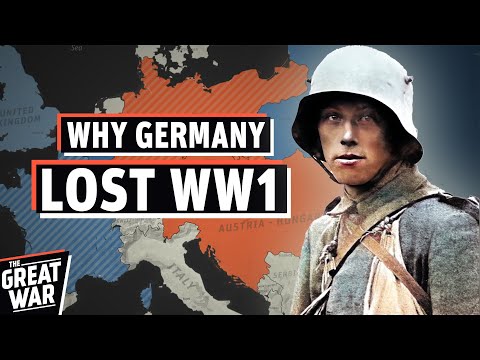
The simple answer is: no, World War 1 was not solely against Germany, but Germany played a central and critical role in the conflict. While the war involved numerous nations and complex alliances, Germany’s aggressive foreign policy, its unwavering support for Austria-Hungary, and its military actions made it a primary belligerent and a major target of the Allied powers. The conflict can be more accurately described as a war between the Central Powers, led by Germany, and the Allied Powers, comprising France, Great Britain, Russia (initially), Italy (later), the United States (from 1917), and others. Germany’s actions were a pivotal cause of the war, and the war’s outcome had a profound and lasting impact on Germany.
Germany’s Role in the Spark and Escalation of War
To fully understand Germany’s involvement, we need to delve into the causes of World War 1. While the assassination of Archduke Franz Ferdinand of Austria-Hungary triggered the immediate crisis, underlying factors had created a tinderbox in Europe. These factors are often remembered using the acronym MAIN:
- Militarism: An arms race and widespread belief in military solutions.
- Alliances: A complex web of treaties obligated nations to defend one another.
- Imperialism: Competition for colonies fueled tension between European powers.
- Nationalism: Intense national pride and the desire for self-determination.
Germany contributed significantly to this volatile atmosphere. Under Kaiser Wilhelm II, Germany pursued an ambitious Weltpolitik (world policy) aimed at asserting its dominance on the global stage. This involved a rapid build-up of the German navy, challenging Britain’s naval supremacy, and assertive foreign policy moves that alarmed other European powers.
When Austria-Hungary declared war on Serbia following the assassination, Germany offered Austria-Hungary a “blank check” of support, encouraging aggressive action. Germany’s subsequent declaration of war on Russia and France, based on pre-existing alliance obligations and strategic calculations (the Schlieffen Plan), transformed a regional conflict into a full-blown European war. Therefore, while Austria-Hungary took the first military action, Germany’s unwavering support and aggressive declarations broadened the war drastically.
Fighting Against the Central Powers, Not Just Germany
It’s crucial to remember that the Allied powers were fighting against the Central Powers, a coalition that included Germany, Austria-Hungary, the Ottoman Empire, and Bulgaria. The war effort was coordinated to defeat all these powers. Allied military strategies focused on multiple fronts, from the Western Front against Germany to the Eastern Front against Austria-Hungary and Germany, and the Middle Eastern theater against the Ottoman Empire.
While the Western Front, characterized by brutal trench warfare, often dominates historical narratives, the war was a multi-faceted conflict fought across vast geographical areas. The Allies sought to weaken and defeat the entire Central Powers alliance, not just Germany.
The Treaty of Versailles: A Focus on Germany
However, the Treaty of Versailles, the peace treaty that formally ended World War 1, disproportionately targeted Germany. The treaty imposed harsh terms on Germany, including:
- Territorial losses: Germany lost significant territories to France, Poland, Denmark, and Belgium.
- Military restrictions: The German military was drastically reduced in size and scope.
- Reparations: Germany was forced to pay substantial reparations to the Allied powers.
- War Guilt Clause: Germany was forced to accept sole responsibility for starting the war (Article 231).
The Treaty of Versailles’ punitive measures aimed to weaken Germany economically and militarily, preventing it from becoming a dominant power again. While the treaty addressed other Central Powers to varying degrees, the focus was undeniably on Germany.
The Complexities of Blame
While the Treaty of Versailles placed the blame squarely on Germany, the historical debate about the causes of World War 1 remains complex and contested. Many historians argue that the blame should be shared among several nations, including Austria-Hungary, Russia, and France. However, Germany’s aggressive policies and actions leading up to the war, particularly its support for Austria-Hungary and its declaration of war on Russia and France, make it difficult to exonerate Germany from a significant share of responsibility.
Ultimately, World War 1 was not simply a war against Germany, but it was a war in which Germany played a central and decisive role. Germany’s actions contributed significantly to the outbreak and escalation of the conflict, and the treaty that ended the war disproportionately punished Germany. To fully grasp the complexities of this era, one must consider the intricate web of alliances, rivalries, and underlying causes that led to the devastating global conflict.
Frequently Asked Questions (FAQs)
1. Was Germany solely responsible for starting World War 1?
No, the causes of World War 1 were complex and involved multiple nations. However, Germany’s aggressive foreign policy, its unconditional support for Austria-Hungary, and its declarations of war on Russia and France contributed significantly to the outbreak of the conflict.
2. What was the “blank check” that Germany gave to Austria-Hungary?
The “blank check” referred to Germany’s unconditional support for Austria-Hungary’s actions against Serbia following the assassination of Archduke Franz Ferdinand. This support emboldened Austria-Hungary to take a hard line, ultimately leading to war.
3. What were the main provisions of the Treaty of Versailles for Germany?
The Treaty of Versailles imposed harsh terms on Germany, including territorial losses, military restrictions, reparations payments, and the “war guilt” clause, which forced Germany to accept full responsibility for the war.
4. Did other countries besides Germany have to pay reparations after World War 1?
Yes, other Central Powers, such as Austria-Hungary, the Ottoman Empire, and Bulgaria, were also required to pay reparations. However, Germany’s reparations burden was significantly larger.
5. Was the Treaty of Versailles fair to Germany?
The fairness of the Treaty of Versailles is a subject of ongoing debate among historians. Some argue that the treaty was too harsh and contributed to economic hardship and political instability in Germany, ultimately leading to the rise of Nazism. Others argue that the treaty was justified, given Germany’s role in starting the war.
6. What was the Schlieffen Plan?
The Schlieffen Plan was Germany’s military strategy for a two-front war against France and Russia. It involved a rapid invasion of France through Belgium, followed by a shift of forces to the Eastern Front to fight Russia.
7. How did the United States’ entry into World War 1 affect the outcome?
The United States’ entry into World War 1 in 1917 was a turning point in the war. The United States provided fresh troops, supplies, and financial support to the Allied powers, ultimately contributing to the defeat of the Central Powers.
8. What were the main causes of World War 1?
The main causes of World War 1 can be summarized using the acronym MAIN: Militarism, Alliances, Imperialism, and Nationalism.
9. How did nationalism contribute to World War 1?
Intense national pride and the desire for self-determination among various ethnic groups in Europe created tensions and rivalries that contributed to the outbreak of World War 1.
10. What role did alliances play in the escalation of World War 1?
The complex web of alliances obligated nations to defend one another, turning a regional conflict between Austria-Hungary and Serbia into a widespread European war.
11. What was Germany’s Weltpolitik?
Weltpolitik was Germany’s foreign policy under Kaiser Wilhelm II, aimed at asserting its dominance on the global stage through military expansion, colonial acquisitions, and assertive diplomatic maneuvers.
12. Who were the Central Powers?
The Central Powers were an alliance of nations led by Germany and Austria-Hungary, later joined by the Ottoman Empire and Bulgaria.
13. Who were the Allied Powers?
The Allied Powers were a coalition of nations led by France, Great Britain, and Russia (initially), later joined by Italy and the United States.
14. Did Germany ever finish paying its World War 1 reparations?
Germany made its final payments on its World War 1 debts in 2010, settling loan debts related to reparations.
15. Where can I learn more about the historical context of World War 1 and its impact?
To deepen your knowledge of this complex historical event, consider exploring the resources available at the Games Learning Society website. Visit GamesLearningSociety.org for insightful articles and interactive content that delve into the causes, consequences, and lasting legacy of World War 1. Through games and educational resources, Games Learning Society promotes understanding and engagement with history.