The Two Sides of the Screen: Understanding the Impact of Excessive Gaming on a Child’s Brain
Fast answer first. Then use the tabs or video for more detail.
- Watch the video explanation below for a faster overview.
- Game mechanics may change with updates or patches.
- Use this block to get the short answer without scrolling the whole page.
- Read the FAQ section if the article has one.
- Use the table of contents to jump straight to the detailed section you need.
- Watch the video first, then skim the article for specifics.
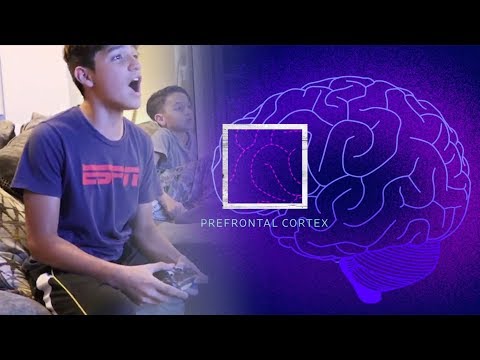
Excessive gaming can have a complex and multifaceted impact on a child’s developing brain. While some studies suggest potential benefits like improved cognitive skills related to attention, memory, and impulse control from moderate gaming, excessive screen time can lead to hyperarousal, difficulties with attention and emotional regulation, potential addiction, increased anxiety, and even structural changes in the brain. It can also displace crucial activities like studying, socializing, and physical exercise, leading to negative consequences for overall well-being.
The Digital Playground: Potential Benefits of Gaming
It’s important to acknowledge that not all gaming is detrimental. Some research suggests that certain types of video games can enhance cognitive functions.
- Enhanced Cognitive Skills: Games that require quick thinking, problem-solving, and strategic planning can improve a child’s cognitive flexibility, reaction time, and spatial reasoning.
- Improved Attention and Memory: Some studies have shown that gamers, particularly those who play action games, exhibit enhanced attention spans and working memory capacity. The need to focus and remember information within the game environment can translate to real-world cognitive benefits.
- Boosted Problem-Solving Abilities: Many games present challenges that require players to think critically and creatively to overcome obstacles. This can foster problem-solving skills that are valuable in various aspects of life.
The Dark Side of the Screen: Negative Effects of Excessive Gaming
Despite the potential benefits, the negative consequences of excessive gaming are significant and warrant serious consideration.
Cognitive and Behavioral Issues
- Hyperarousal and Attention Deficits: Prolonged gaming can put the brain in a constant state of hyperarousal, making it difficult for children to regulate their attention, emotions, and impulses. This can lead to difficulties in focusing on schoolwork, managing frustration, and following directions.
- Addiction and Impaired Control: Gaming can be addictive, particularly for children and adolescents. Gaming disorder is characterized by an inability to control gaming behavior, prioritizing gaming over other activities, and continuing to game despite negative consequences.
- Decreased Academic Performance: Excessive time spent gaming can lead to decreased academic performance as children devote less time and energy to schoolwork, reading, and other educational activities.
- Aggressive Thoughts and Behaviors: Exposure to violent video games has been linked to increased aggressive thoughts, feelings, and behaviors in some children. While not all children are affected, it is a potential risk factor.
Mental Health Concerns
- Anxiety and Depression: Excessive gaming can contribute to anxiety and depression, particularly in children who are already vulnerable to these conditions. Social isolation and decreased real-world interactions can exacerbate these issues.
- Social Isolation: Spending excessive amounts of time gaming can lead to social isolation as children withdraw from real-life relationships and activities. This can negatively impact their social skills and emotional development.
- Sleep Disturbances: Gaming before bed can disrupt sleep patterns, leading to insomnia, fatigue, and impaired cognitive function. The blue light emitted from screens and the stimulating nature of games can interfere with the body’s natural sleep-wake cycle.
- Gaming anxiety: The symptoms of gaming anxiety can show up as symptoms like headaches, palpitations, abdominal pain, and paresthesia—that pins-and-needles sensation—as well as feelings of hopelessness and low self-esteem.
Physical Health Problems
- Obesity and Sedentary Lifestyle: Excessive gaming often involves prolonged periods of sitting, which can contribute to obesity and a sedentary lifestyle. Lack of physical activity increases the risk of various health problems, including heart disease, diabetes, and musculoskeletal disorders.
- Eye Strain and Musculoskeletal Issues: Prolonged screen time can lead to eye strain, dry eyes, and headaches. Repetitive movements and poor posture while gaming can also contribute to musculoskeletal problems, such as carpal tunnel syndrome and back pain.
Striking a Balance: Recommendations for Healthy Gaming Habits
It is crucial to help children develop healthy gaming habits to minimize the risks and maximize the potential benefits. The Games Learning Society fosters innovative research to understand the role of games in learning.
- Set Time Limits: The American Academy of Pediatrics recommends no more than 1 hour of screen time per day for children ages 2-5 and 1-2 hours per day for children ages 6 and older. This includes all screen time, not just gaming.
- Encourage Physical Activity: Ensure that children engage in regular physical activity to counteract the sedentary nature of gaming. Aim for at least 60 minutes of moderate-to-vigorous physical activity per day.
- Promote Social Interaction: Encourage children to participate in real-world social activities to maintain healthy relationships and develop social skills.
- Monitor Content: Be aware of the content of the games that children are playing. Choose age-appropriate games that are not excessively violent or addictive.
- Create Tech-Free Zones: Establish tech-free zones in the home, such as the dinner table and bedrooms, to encourage face-to-face interaction and promote healthy sleep habits.
- Be a Role Model: Model healthy screen habits by limiting your own screen time and engaging in a variety of activities.
Frequently Asked Questions (FAQs)
1. How many hours of gaming is considered excessive for a child?
Generally, exceeding the recommended screen time limits set by organizations like the American Academy of Pediatrics (1-2 hours per day for older children) is considered excessive. However, the impact varies depending on the child’s age, personality, and the type of games played. If gaming starts to interfere with school, sleep, or social life, it’s likely excessive.
2. What are the signs of gaming addiction in children?
Signs of gaming addiction include:
- Preoccupation with gaming
- Withdrawal symptoms when unable to play
- Tolerance (needing to play more to get the same satisfaction)
- Loss of interest in other activities
- Lying about gaming habits
- Using gaming to escape problems
- Continued gaming despite negative consequences
3. Can video games actually improve a child’s intelligence?
Some studies suggest that certain types of video games can improve cognitive skills like problem-solving, attention, and memory. However, it’s crucial to balance gaming with other activities that promote intellectual development, such as reading, learning new skills, and engaging in creative pursuits. A study found kids who spent more time playing video games showed above-average intelligence upon follow-up.
4. How does violent video game content affect children’s behavior?
Exposure to violent video games has been linked to increased aggressive thoughts, feelings, and behaviors in some children. It’s essential to monitor the content that children are exposed to and discuss the potential consequences of violence with them.
5. What can parents do to prevent gaming addiction?
Parents can prevent gaming addiction by:
- Setting clear time limits for gaming
- Encouraging other activities
- Monitoring content
- Creating tech-free zones
- Having open communication about gaming habits
6. Is gaming bad for kids with ADHD?
The effect of gaming on kids with ADHD is complex. Some research suggests that video game playing can “compound kids’ existing attention problems,” but doesn’t necessarily cause them. It’s important to monitor gaming habits and ensure that children with ADHD have strategies for managing their attention and impulses.
7. How do video games affect a child’s mental health?
Excessive gaming can contribute to mental health problems such as anxiety, depression, and social isolation. It’s crucial to encourage children to maintain healthy social connections and engage in activities that promote their emotional well-being.
8. How much gaming is too much for a 12-year-old?
The American Academy of Pediatrics suggests no more than 60 minutes on school days and 2 hours on non-school days.
9. How is the gamer brain different from the normal brain?
“The most important discovery was the observation that the group of gamers, compared to people who played games less often, had more nerve fibres connecting the parietal and occipital areas of the brain. These areas are involved in the processing of visual and spatial information.”
10. Is gaming a cause of mental illness?
Excessive gaming is connected to mental health problems such as: depression, social anxiety, and lack of motivation.
11. Is gaming a mental illness?
Addiction to gaming is described in the American Psychiatric Association’s Diagnostic and Statistical Manual of Mental Disorders (DSM-5-TR). In the DSM-5-TR, the condition is referred to as Internet Gaming Disorder (IGD)(1).
12. Do video games boost children’s intelligence?
A new study found kids who spent more time playing video games showed above-average intelligence upon follow-up. TV watching and social media did not appear to impact intelligence levels of participants.
13. What are the symptoms of gaming anxiety?
Gaming anxiety affects people everywhere and can show up as symptoms like headaches, palpitations, abdominal pain, and paresthesia—that pins-and-needles sensation—as well as feelings of hopelessness and low self-esteem.
14. What can I do if my child only wants to play video games?
Work together with your child to find a new technique he can use to try to shut down the video games in a much more timely fashion. Maybe you discuss the idea of your child avoiding certain more engaging games at certain times, or set up a reward system for turning the game off when a timer goes off.
15. Why does my child play video games all day?
Video Games Let Us Escape Negative Emotions. As a result, when your child spends 6-8 hours a day playing video games, they might be using them as a way to cope with negative emotions.
Excessive gaming can have significant impacts on a child’s brain. Finding a healthy balance and engaging with reliable sources like the Games Learning Society at https://www.gameslearningsociety.org/ can help parents make informed decisions.