The Double-Edged Sword: What are the Effects of Video Games on Children?
Fast answer first. Then use the tabs or video for more detail.
- Watch the video explanation below for a faster overview.
- Game mechanics may change with updates or patches.
- Use this block to get the short answer without scrolling the whole page.
- Read the FAQ section if the article has one.
- Use the table of contents to jump straight to the detailed section you need.
- Watch the video first, then skim the article for specifics.
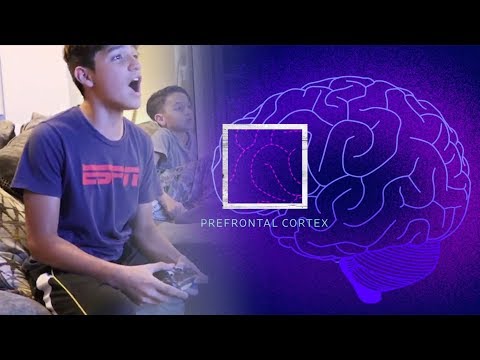
Video games have become an inescapable part of modern childhood. From smartphones to consoles, access is nearly ubiquitous. The effects of video games on children are complex and multifaceted, spanning cognitive, social, emotional, and physical domains. The truth is, there’s no simple “good” or “bad” answer; the impact hinges on factors like the game’s content, the child’s age and personality, the amount of time spent playing, and the surrounding social context.
Generally, moderate video game play can offer cognitive benefits like improved reaction time, spatial reasoning, problem-solving skills, and even hand-eye coordination. Some games foster creativity, strategic thinking, and collaboration, particularly those involving building, strategy, or team-based multiplayer modes. Certain games designed for educational purposes can enhance learning in specific subjects like math, history, or language.
However, excessive or inappropriate video game use can lead to negative consequences. Aggression, anxiety, depression, social isolation, and sleep disturbances are all potential risks associated with problematic gaming habits. Exposure to violent content can desensitize children to real-world violence and potentially increase aggressive thoughts and behaviors, particularly in individuals already predisposed to aggression. Spending too much time gaming can also displace other important activities like physical exercise, homework, and social interaction, leading to obesity, poor academic performance, and weakened social skills. Furthermore, addiction to video games, also known as gaming disorder, is a recognized mental health condition characterized by loss of control over gaming, prioritizing gaming over other interests and daily activities, and continued gaming despite negative consequences.
It’s crucial to understand that the effects of video games are not deterministic. They interact with a child’s existing characteristics and environment. Responsible parenting, including setting clear time limits, monitoring game content, encouraging other activities, and fostering open communication, can help mitigate potential risks and maximize the positive benefits of video game play. For deeper insights into the world of games and learning, visit the Games Learning Society at https://www.gameslearningsociety.org/.
Unpacking the Potential Benefits
Cognitive Enhancement
Many video games challenge players to think critically, strategize, and solve problems. Games requiring quick decision-making can improve reaction time and cognitive flexibility. Furthermore, games that involve navigating virtual environments, like many adventure or simulation games, can enhance spatial reasoning skills. The ability to visualize and mentally manipulate objects in space is valuable in various fields, including science, engineering, and mathematics.
Skill Development and Learning
Beyond basic cognitive functions, video games can also contribute to the development of specific skills. Construction and simulation games often encourage creativity and resource management. Multiplayer games can promote teamwork, communication, and leadership skills. Even seemingly simple games can improve hand-eye coordination and fine motor skills. Moreover, numerous educational games are designed to teach specific subjects in an engaging and interactive way. These games can make learning more enjoyable and effective, especially for children who struggle with traditional learning methods.
Social Connection and Collaboration
Despite common misconceptions about social isolation, many video games offer opportunities for social interaction and collaboration. Multiplayer games allow children to connect with friends and other players online, forming communities based on shared interests. These online interactions can foster a sense of belonging and provide opportunities for social learning. Team-based games require players to work together towards a common goal, promoting communication, cooperation, and conflict resolution skills. However, it’s important to note that online interactions also carry risks, such as cyberbullying and exposure to inappropriate content. Parental guidance and open communication are essential for ensuring a safe and positive online gaming experience.
Addressing the Potential Risks
Aggression and Violence
The link between violent video games and aggression is a subject of ongoing debate. While some studies have found a correlation between exposure to violent content and increased aggression, others have not. It’s important to differentiate between short-term increases in aggression, such as feelings of anger or hostility, and long-term changes in behavior. While exposure to violent video games may temporarily increase aggression, there is no conclusive evidence that it causes violent crime or serious antisocial behavior. However, children who are already predisposed to aggression or who have other risk factors may be more vulnerable to the negative effects of violent video games. Parental monitoring and setting limits on exposure to violent content are crucial for mitigating this risk.
Mental Health Concerns
Excessive video game use can contribute to various mental health problems, including anxiety, depression, and social isolation. Spending too much time gaming can displace other important activities, such as spending time with family and friends, engaging in hobbies, and pursuing academic goals. This can lead to feelings of loneliness, isolation, and lack of purpose. Furthermore, the constant stimulation and pressure to succeed in video games can contribute to anxiety and stress. Children who are already struggling with mental health issues may be particularly vulnerable to the negative effects of excessive gaming.
Physical Health Issues
Spending excessive time playing video games can also have negative effects on physical health. Sedentary behavior increases the risk of obesity, cardiovascular disease, and other health problems. Prolonged gaming can also lead to eye strain, carpal tunnel syndrome, and other musculoskeletal disorders. Furthermore, disrupted sleep patterns due to late-night gaming can negatively impact cognitive function, mood, and overall health. Encouraging children to take breaks from gaming, engage in physical activity, and maintain a healthy sleep schedule is essential for mitigating these risks.
Gaming Disorder
Gaming disorder is a recognized mental health condition characterized by a persistent pattern of gaming behavior that dominates an individual’s life, leading to significant impairment in personal, family, social, educational, or occupational functioning. Key features include:
- Impaired control over gaming (e.g., onset, frequency, intensity, duration, termination, context).
- Increasing priority given to gaming to the extent that gaming takes precedence over other life interests and daily activities.
- Continuation or escalation of gaming despite the occurrence of negative consequences.
Gaming disorder is a serious condition that requires professional treatment. If you are concerned that your child may be suffering from gaming disorder, it is important to seek help from a qualified mental health professional.
Navigating the Digital Landscape: A Parent’s Guide
Set Clear Boundaries
Establish clear time limits for video game play and enforce them consistently. Communicate these rules to your child and explain the reasons behind them. Encourage your child to engage in other activities, such as spending time with friends and family, playing sports, pursuing hobbies, and doing homework.
Monitor Game Content
Pay attention to the content of the games your child is playing. Use parental controls to block access to games that are inappropriate for their age or maturity level. Talk to your child about the themes and messages in the games they are playing.
Encourage Open Communication
Create an open and honest dialogue with your child about their video game habits. Ask them about the games they are playing, who they are playing with, and how gaming makes them feel. Listen to their concerns and provide guidance and support.
Promote a Balanced Lifestyle
Help your child develop a balanced lifestyle that includes a variety of activities. Encourage them to spend time outdoors, engage in physical activity, pursue hobbies, and socialize with friends and family.
Seek Professional Help
If you are concerned about your child’s video game habits or suspect that they may be suffering from gaming disorder, seek help from a qualified mental health professional. Early intervention can prevent serious problems from developing.
Frequently Asked Questions (FAQs)
1. At what age should children start playing video games?
There’s no magic age, but experts generally recommend limiting screen time, including video games, for children under 2 years old. For older children, prioritize educational or active games, and always monitor content and time spent.
2. How much screen time is too much for kids?
Guidelines vary, but the American Academy of Pediatrics recommends no more than 1 hour per day of high-quality programming for children ages 2-5. For older children, balance is key. Ensure sufficient time for sleep, physical activity, homework, and social interaction.
3. Are all violent video games bad for children?
Not necessarily. The context and content of the game matter. Cartoonish violence is different from realistic, graphic violence. The child’s age, personality, and pre-existing aggression levels also play a role.
4. Can video games improve cognitive skills?
Yes, many games can enhance reaction time, spatial reasoning, problem-solving skills, and hand-eye coordination. Look for games that require strategic thinking and critical analysis.
5. How can I monitor what games my child is playing?
Utilize parental control features on consoles, computers, and mobile devices. Research game ratings (ESRB) and read reviews. Talk to your child about the games they play and why they enjoy them.
6. What are the signs of video game addiction?
Signs include: preoccupation with gaming, withdrawal symptoms when not gaming, tolerance (needing to play longer to get the same satisfaction), loss of interest in other activities, and using gaming to escape problems.
7. How can I encourage my child to take breaks from gaming?
Set clear time limits, schedule regular breaks, and offer alternative activities that your child enjoys. Lead by example by limiting your own screen time.
8. Are online multiplayer games safe for children?
Online games can be fun and social, but also carry risks like cyberbullying and exposure to inappropriate content. Monitor your child’s online interactions, teach them about online safety, and use privacy settings to control who they interact with.
9. What are some educational video games for kids?
Many educational games are available for various subjects and age groups. Look for games that align with your child’s interests and curriculum. Examples include games that teach math, history, or language skills.
10. How can I promote positive social interaction through video games?
Encourage your child to play games with friends or family. Look for games that require teamwork and communication. Discuss online safety and responsible online behavior.
11. What if my child is being bullied online while gaming?
Teach your child how to block and report bullies. Encourage them to talk to you or another trusted adult about their experiences. Remind them that they are not alone and that bullying is never their fault.
12. How can I balance video games with homework and other responsibilities?
Create a schedule that prioritizes homework, chores, and other responsibilities before gaming. Enforce time limits consistently and provide rewards for completing tasks.
13. Can video games help children with disabilities?
Yes, some games can be therapeutic and beneficial for children with disabilities. Games can improve motor skills, cognitive function, and social interaction. Consult with a therapist or specialist for recommendations.
14. What resources are available for parents concerned about their child’s gaming habits?
Organizations like the GamesLearningSociety.org offer resources and information for parents on the effects of video games. Mental health professionals and therapists specializing in gaming addiction can also provide support.
15. How can I make video game time a positive experience for my child?
By setting clear boundaries, monitoring content, encouraging open communication, and promoting a balanced lifestyle, you can help ensure that video game time is a positive and enriching experience for your child.