What Counts as a Link Summon?
Fast answer first. Then use the tabs or video for more detail.
- Watch the video explanation below for a faster overview.
- Game mechanics may change with updates or patches.
- Use this block to get the short answer without scrolling the whole page.
- Read the FAQ section if the article has one.
- Use the table of contents to jump straight to the detailed section you need.
- Watch the video first, then skim the article for specifics.
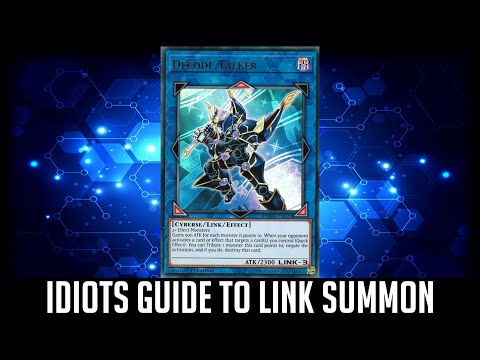
A Link Summon in Yu-Gi-Oh! is a special kind of Special Summon that brings a Link Monster from your Extra Deck to the field. It involves sending face-up monsters you control to the Graveyard as Link Materials. The combined Link Rating of the monsters used must exactly match the Link Rating of the Link Monster you’re trying to summon. Think of it as a precise mathematical equation – get the numbers right, and you unleash a powerful ally!
The Mechanics of Link Summoning: A Step-by-Step Guide
Link Summoning might seem intimidating at first, but breaking it down into steps makes it easy to grasp:
-
Check the Deck: Ensure you have a Link Monster in your Extra Deck that you wish to summon.
-
Open Game State: The game state must be open during your Main Phase. This simply means there are no actions or card effects currently resolving.
-
Meet the Requirements: The Link Monster card will specify any unique requirements for its summon, such as specific monster types, attributes, or names. Pay close attention to these!
-
Link Material Selection: Choose face-up monsters you control that you will send to the Graveyard as Link Materials. The total Link Rating of these monsters must equal the Link Rating of the Link Monster you’re summoning. Remember that most monsters count as a Link Rating of 1, but some Link Monsters can count as more depending on the specific Link Monster being summoned.
-
Sending to the Graveyard: Send the selected Link Materials to the Graveyard. This is a crucial step and, importantly, these monsters are not considered “tributed” for card effect purposes (more on that later).
-
Summoning the Link Monster: Place the Link Monster from your Extra Deck face-up in your Extra Monster Zone or in a Main Monster Zone that a Link Monster you control points to with its Link Arrows.
-
Successful Summon: Congratulations, you’ve successfully Link Summoned! Your opponent now has a chance to respond.
Key Rules to Keep in Mind
-
Exact Match: The total Link Rating of the Link Materials MUST exactly match the Link Rating of the Link Monster. No more, no less!
-
Link Monsters Pointing: Link Monsters can only be summoned to the Extra Monster Zone or a Main Monster Zone that a Link Monster points to with its Link Arrows.
-
No Defense Position: Link Monsters have no DEF stat and cannot be placed or switched into Defense Position.
-
Extra Deck Monsters: Link Monsters reside in the Extra Deck and cannot be Normal Summoned or Set.
-
Extra Monster Zone Limit: Each player initially has only one Extra Monster Zone. Link Arrows are crucial for expanding your summoning options.
Frequently Asked Questions (FAQs) About Link Summoning
1. Can I Link Summon on my opponent’s field?
No. You can only Link Summon to your field. However, if a Link Monster you control has a Link Arrow pointing to one of your opponent’s Main Monster Zones, they can Special Summon a monster from their Extra Deck (meeting the requirements) to that zone.
2. Do I have to use the exact number of Link Materials specified on the card, or can I use more?
You must use the exact number of Link Materials required to match the Link Rating of the monster you are Link Summoning.
3. What happens if I don’t have enough monsters on my field to Link Summon?
You simply cannot perform the Link Summon. You need enough eligible monsters to meet the Link Rating requirement.
4. Can I use a monster that was just Normal Summoned this turn as a Link Material?
Yes! There are no restrictions on using a monster Normal Summoned this turn as a Link Material, unless the Link Monster requires specific materials that monster doesn’t meet.
5. Are there any monsters I can’t use as Link Materials?
Generally, you can use any face-up monster you control as a Link Material, provided it meets any specific requirements listed on the Link Monster you are summoning. There are, of course, card effects that may prevent a monster from being used as material.
6. Can I use Pendulum Monsters as Link Materials?
Absolutely! Pendulum Monsters are excellent Link Materials. When used, they go face-up to the Extra Deck instead of the Graveyard, ready to be Pendulum Summoned later. This makes Pendulums a powerful engine for Link plays.
7. Can I use XYZ Monsters as Link Materials?
Yes, you can use XYZ Monsters as link materials.
8. Does Link Summoning count as tributing?
No. When Link Summoning, the Link Materials sent to the Graveyard are not considered tributed. This distinction is important because some card effects specifically trigger when a monster is tributed.
9. Can I Link Summon multiple times per turn?
Yes, unless a specific card effect restricts you to Link Summoning only once per turn. There’s no inherent limitation on the number of Link Summons you can perform.
10. Do Link Monsters have to be summoned to the Extra Monster Zone?
Initially, yes. Your first Link Summon must be to your Extra Monster Zone. However, subsequent Link Summons can be to Main Monster Zones that your Link Monsters are pointing to with their Link Arrows.
11. What happens if my opponent has a monster in their Extra Monster Zone? Can I still attack directly?
No. If your opponent controls a monster in their Extra Monster Zone, it’s still considered a monster they control, and you cannot attack directly.
12. What are Link Arrows, and why are they important?
Link Arrows are arrows on the Link Monster’s card that point to specific zones. These arrows designate zones where you or your opponent can Special Summon monsters from the Extra Deck. They are crucial for controlling the flow of the game and extending your combos.
13. What is a Link Rating?
A Link Rating is a number on a Link Monster that represents how many materials are needed to summon it. The total Link Rating of the materials used to summon it, must equal the Link Rating of the Link Monster.
14. If a Link Monster has a Link Rating of 2, but says “2 monsters” as material, does that mean a Link-2 monster counts as 2 materials?
It depends on the Link Monster and the number of monsters it says. If the card states “2 monsters,” then you need two monsters with a combined link rating of 2. However, the specific Link Monster’s card text determines how many materials it counts as.
15. What is the strongest Link Monster?
Strength is subjective and depends on the situation, but some of the most powerful and influential Link Monsters include Firewall Dragon, Summon Sorceress, and Borreload Dragon. Each has unique abilities that can dramatically shift the game in your favor. Remember that the “best” Link Monster depends heavily on your deck strategy and the current meta.
Link Summoning is a dynamic and strategic mechanic in Yu-Gi-Oh! Understanding the rules and nuances allows you to unlock powerful combos and dominate the dueling field. Keep practicing, experimenting with different Link Monsters, and you’ll quickly become a master of Link Summoning! Want to learn more about how gaming can enhance learning? Visit GamesLearningSociety.org to explore the intersection of games and education through the Games Learning Society.