Decoding the Spectrum: What Do the Colors Mean in Magic: The Gathering?
Fast answer first. Then use the tabs or video for more detail.
- Watch the video explanation below for a faster overview.
- Game mechanics may change with updates or patches.
- Use this block to get the short answer without scrolling the whole page.
- Read the FAQ section if the article has one.
- Use the table of contents to jump straight to the detailed section you need.
- Watch the video first, then skim the article for specifics.
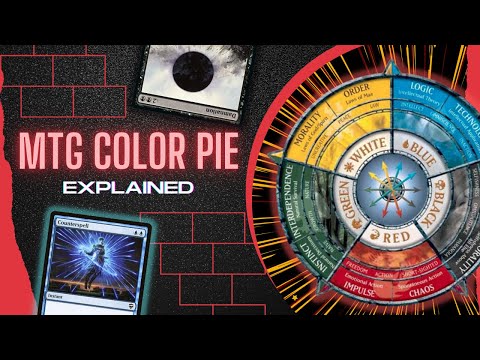
In Magic: The Gathering (MTG), the five colors of mana—White, Blue, Black, Red, and Green—are not just aesthetic choices; they are the fundamental building blocks of strategy, philosophy, and card design. Each color represents a distinct approach to the game, reflected in its strengths, weaknesses, and overall playstyle. Understanding what these colors mean is crucial for mastering MTG, building powerful decks, and engaging with the game’s rich lore. In essence, the colors dictate the core mechanics, strategies, and even the psychological aspects of your deck.
The Five Colors: Core Philosophies and Mechanics
Each color in MTG is associated with a specific set of values and game mechanics. Let’s delve into the specifics:
White: Order, Peace, and Protection
White is the color of order, structure, and community. It seeks peace and harmony through the establishment of law and order. White’s core mechanics revolve around:
- Protection and Prevention: White is excellent at preventing damage, gaining life, and protecting its creatures and players. This is exemplified by cards that grant lifelink, vigilance, and indestructible attributes.
- Efficient Creatures: White has a wide array of efficient creatures, often with abilities that support a group strategy. It is often associated with small, but powerful, human or soldier type creatures.
- Board Control: White excels at controlling the board through effects that destroy or exile problematic permanents. Removal and mass removal (also known as wrath effects) are common place in this color.
In essence, white is a reactive color focused on setting up a resilient board and controlling the pace of the game. It’s a slower color, which is why it often gets cited as the “weakest”, because it needs a setup for it to become dangerous.
Blue: Knowledge, Control, and Deception
Blue is the color of knowledge, intellect, and manipulation. It seeks perfection through understanding and control. Key aspects of blue include:
- Card Draw and Manipulation: Blue is the king of card advantage, with the ability to draw extra cards and manipulate the top of the library. This is fundamental to consistently executing game plans.
- Counterspells and Control: Blue excels at preventing opponents’ spells from resolving through countermagic. It can also disrupt opponents’ plans with cards that bounce permanents or tap them down.
- Tempo and Evasion: Blue is proficient at using tempo-based strategies to gain an advantage with evasive creatures and spells that make it harder for the opponent to react.
Blue is often regarded as the most powerful color due to its ability to control the game and establish card advantage. This leads to consistent win conditions.
Black: Power, Ambition, and Sacrifice
Black represents power, self-interest, and ruthlessness. It is willing to sacrifice anything to achieve its goals. Black’s strengths are:
- Discard and Hand Disruption: Black is masterful at disrupting opponents’ hands by forcing them to discard cards.
- Powerful Creatures with Drawbacks: Black features creatures with potent abilities, often paired with drawbacks or requiring sacrifices.
- Direct Damage and Removal: Black is excellent at dealing direct damage to opponents or creatures, with cards that involve life loss and instant speed removal.
- Reanimation: Black is the primary color for bringing dead creatures back to the battlefield.
Black is aggressive and unrelenting, seeking to win through a combination of hand disruption, powerful threats, and direct damage. It is not as powerful as blue but has a higher variance in its gameplay.
Red: Emotion, Freedom, and Chaos
Red is the color of emotion, action, and impulse. It embraces chaos and destruction in the pursuit of freedom. Red’s key characteristics include:
- Direct Damage and Aggression: Red is the master of direct damage to players and creatures and is focused on aggressive strategies.
- Haste and Speed: Red features creatures with haste, allowing them to attack immediately, and it excels at fast-paced, aggressive plays.
- Temporary Boosts and Chaos: Red often uses temporary buffs, “coin flips”, and unpredictable effects. These are designed to push aggressive plays, making it a very strong color at closing games quickly.
Red is a fast and impulsive color, aiming to overwhelm opponents with speed and damage before they can establish a defense.
Green: Nature, Growth, and Connection
Green represents nature, growth, and interdependence. It draws power from the land and seeks harmony with the natural world. Green’s central abilities are:
- Creature Strength and Size: Green is known for its large creatures and creature-focused strategies.
- Ramp and Land Acceleration: Green is adept at accelerating mana production by bringing more lands into play, allowing the player to cast bigger creatures and spells more quickly.
- Fight and Trample: Green can use creatures with the “fight” mechanic and is well known for granting trample to deal excess damage to the opponent.
Green is a straightforward and impactful color, focusing on leveraging large creatures and mana acceleration to dominate the board.
Understanding Color Combinations
Beyond individual colors, combining colors creates powerful synergies and unlocks new strategic possibilities. Some common color combinations, along with their identities, include:
- Azorius (White/Blue): Control, tempo, and permission-based gameplay.
- Dimir (Blue/Black): Control, hand disruption, and graveyard interactions.
- Rakdos (Black/Red): Aggression, sacrifice, and direct damage.
- Gruul (Red/Green): Aggression, large creatures, and ramp.
- Selesnya (Green/White): Creature-heavy strategies and lifegain.
- Orzhov (White/Black): Taxing effects and powerful removal.
- Izzet (Blue/Red): Spellslinging and tempo-based aggression.
- Golgari (Black/Green): Graveyard recursion and value.
- Simic (Green/Blue): Ramp, card draw, and creature-based power.
- Boros (Red/White): Aggression and efficient creatures.
Understanding how these color combinations synergize can lead to very powerful and diverse strategies. Building decks around color combinations is a key aspect of advanced gameplay in Magic.
FAQs: Diving Deeper into MTG Color Philosophy
Here are 15 frequently asked questions to further expand on the meaning of colors in Magic: The Gathering:
1. What is a “mono-color” deck?
A mono-color deck utilizes only one of the five colors. This results in a consistency in mana base, but can be limiting strategically.
2. Can you have a “colorless” deck?
Yes, colorless decks exist. They rely on cards that do not require colored mana, including artifacts and colorless spells. They can be a challenge to build, but highly rewarding.
3. What does “WUBRG” mean in MTG?
WUBRG is an acronym for White, Blue, Black, Red, and Green – the five colors of mana, typically used to refer to a five-color deck.
4. What is the best color for beginners?
Red is often recommended for beginners due to its straightforward aggressive strategies, making it easier to grasp basic gameplay.
5. Is white really the weakest color?
While historically white has had struggles in card advantage, it is far from being the weakest. It is highly reactive, and can be difficult to win with when the game isn’t going your way. However, it also has access to some of the strongest cards in the game.
6. Why is card draw so important in MTG?
Card draw provides card advantage, allowing players to access more resources and have more options, which is crucial for maintaining consistency and winning the game.
7. What does “ramp” mean in MTG?
Ramp refers to strategies that accelerate the production of mana, enabling players to cast high-cost spells or deploy large creatures faster. Green is the best color for this mechanic.
8. What is the “color pie” in MTG?
The color pie is the framework that dictates the game mechanics, strengths, and weaknesses of each color. It ensures that colors are distinct and balanced.
9. Can a deck have more than two colors?
Yes, decks can have up to five colors. However, multi-color decks require more complex mana bases to cast their spells consistently.
10. What are some common weaknesses of each color?
- White struggles with card draw.
- Blue lacks direct damage and relies on control, which is risky.
- Black can suffer from life loss and can struggle with removal at times.
- Red can struggle with drawing cards and consistent removal.
- Green struggles against noncreature-based strategies.
11. What does “control” mean in MTG?
Control refers to a play style focused on disrupting opponents’ plans, reacting to their plays, and aiming for a slow and methodical win. Blue is the primary color for this strategy.
12. What is “aggro” in MTG?
Aggro, short for aggression, is a strategy focused on dealing damage quickly to end the game before the opponent can establish control. Red is the primary color for this strategy.
13. How can I improve my deck’s mana base?
A good mana base involves a mix of dual lands, fetches, and other mana-fixing cards that allow you to cast your spells consistently.
14. What does “combo” mean in MTG?
Combo refers to decks that aim to win the game by executing a specific sequence of cards to create an unstoppable interaction or loop.
15. How can I learn more about the colors and their interactions?
Playing the game, watching gameplay videos, and reading strategy guides and articles on Magic content websites are good resources. Experimenting with various deck types can also help in understanding color interactions.
In conclusion, the colors of MTG are much more than just a visual aspect of the game. They represent diverse approaches to strategy, and combining these colors opens up a myriad of possibilities. By understanding each color’s philosophy and gameplay strengths, you can become a more skilled Magic player.