Unveiling the Divine: What Do Warlocks Worship?
Fast answer first. Then use the tabs or video for more detail.
- Watch the video explanation below for a faster overview.
- Game mechanics may change with updates or patches.
- Use this block to get the short answer without scrolling the whole page.
- Read the FAQ section if the article has one.
- Use the table of contents to jump straight to the detailed section you need.
- Watch the video first, then skim the article for specifics.
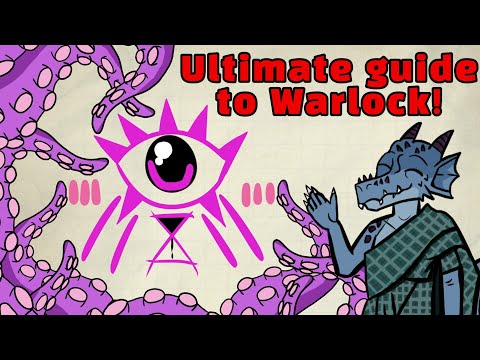
Warlocks, enigmatic figures steeped in arcane power, present a complex picture when it comes to worship. The short answer is: warlocks generally do not worship gods in the same way that clerics or paladins do. Their power stems from a pact or bargain made with a powerful, often extraplanar, entity. While some warlocks may hold a degree of reverence or respect for deities, particularly those aligned with magic or their patron’s domain, the core relationship remains transactional rather than devotional. It’s about power granted in exchange for service, not supplication.
The Nature of the Pact: Worship vs. Obligation
The foundation of a warlock’s power is the pact they forge with their patron. This patron can be a powerful fiend, an archfey, a celestial being, a Great Old One, or a hexblade. Unlike the unwavering faith that fuels a cleric, a warlock’s connection is built on a contractual agreement.
- The Patron’s Perspective: The patron benefits from the pact by gaining an agent in the mortal world, someone to carry out their will, spread their influence, or fulfill specific tasks.
- The Warlock’s Perspective: The warlock gains access to potent magic and unique abilities, enabling them to achieve their own goals and navigate the world with newfound power.
This transactional relationship often overshadows any traditional form of worship. A warlock might venerate their patron out of fear, respect, or gratitude, but rarely does it equate to the fervent devotion associated with religious faith. Instead, it’s a recognition of the source of their power and the potential consequences of defying their benefactor.
Respect for the Divine, Regardless of the Patron
While direct worship of gods might be uncommon, warlocks often demonstrate a healthy respect for the divine beings within their setting. This respect stems from several factors:
- Understanding Power Dynamics: Warlocks, being attuned to magical energies, are acutely aware of the power wielded by deities. They recognize the potential dangers of disrespecting such potent entities.
- Alignment with Divine Domains: Even warlocks with fiendish patrons might acknowledge and respect deities associated with magic, knowledge, or the natural world.
- Personal Beliefs: A warlock’s personal beliefs and upbringing can still influence their views on the divine, leading them to venerate specific gods alongside their pact with a patron.
Historical sources suggest that warlocks often showed respect for deities like Corellon Larethian (elf god of magic) or Selûne (moon goddess), while those aligned with darker forces might acknowledge the power of Asmodeus (archdevil) or Cyric (god of lies and murder), regardless of their patron’s specific identity.
Exceptions and Nuances
It’s crucial to remember that these are general guidelines, and individual warlocks can deviate significantly.
- The Celestial Warlock: While technically not worshipping a god, a Celestial warlock’s patron is often a powerful celestial being or a direct servant of a deity. Their actions are typically aligned with the patron deity’s ideals, blurring the line between pact and devotion.
- The Zealot Warlock: A hypothetical warlock subclass could actively worship their patron as a god. This zealotry could grant unique abilities and reinforce the pact with fervent dedication.
- Patrons as God-Like Entities: Some patrons, especially those residing in the Far Realm or ancient entities, may possess power and influence comparable to gods, leading their warlocks to treat them as such.
The Theros Conundrum
The setting of Theros, inspired by Greek mythology, presents a unique challenge for warlocks. In Theros, the gods are highly active and directly influence the mortal world. Fitting the warlock-patron dynamic into this framework requires careful consideration.
- Intermediaries: Warlocks might form pacts with lesser deities, demigods, or powerful servants of the major gods. This aligns with the established lore while providing a source of warlock power.
- Aspects of the Gods: The gods of Theros are multifaceted, representing various aspects of life and nature. A warlock’s patron could be an aspect of a god, granting them power over a specific domain.
- Forgotten Gods: The warlocks may be drawing power from forgotten gods or primordial forces, creating a unique narrative niche within the Theros pantheon.
Ultimately, the question of what warlocks worship is less about traditional religious devotion and more about the complex relationship they have with the source of their power. It’s a delicate balance of obligation, respect, and personal belief, shaped by the nature of their pact and the wider world around them. The nuanced world of role-playing games offers unique insight into learning and gaming as discussed on the Games Learning Society website, GamesLearningSociety.org.
Frequently Asked Questions (FAQs)
1. Can a Warlock’s patron be a god?
Generally, no. The core concept emphasizes a pact with an otherworldly being, distinct from the worshipful relationship of a cleric. However, a patron could be a powerful entity closely associated with a god, acting as an intermediary.
2. Do Warlocks have to be evil?
Absolutely not! A warlock’s alignment depends on their personal choices and actions, not the nature of their patron. A warlock with a fiendish patron can still be good, using their power to fight against greater evils.
3. What happens if a Warlock breaks their pact?
The consequences can vary. The patron might revoke the warlock’s powers, impose harsh penalties, or even send agents to hunt them down. The severity depends on the nature of the pact and the patron’s temperament.
4. How does a Warlock choose their patron?
The choice can be driven by various factors: a desperate plea for power, a chance encounter with an otherworldly entity, or even a family tradition passed down through generations.
5. Can a Warlock change their patron?
It’s exceptionally rare and often requires significant effort and risk. Breaking a pact is a serious undertaking with potentially devastating consequences. Finding a new patron willing to accept a warlock who has already broken a pact is a major plot point, and is generally up to the DM.
6. What’s the difference between a Warlock and a Sorcerer?
Sorcerers have innate magical abilities originating from their bloodline or some other inherent source. Warlocks, on the other hand, gain their power through a deliberate pact with an external entity.
7. Do Warlocks get their power from devils?
Not exclusively. Devils are only one type of potential patron. Warlocks can make pacts with archfey, celestial beings, Great Old Ones, hexblades, and other powerful entities.
8. Are all Warlock patrons evil?
No, not all patrons are evil. Celestial patrons are typically good-aligned, while archfey can be neutral or chaotic. The nature of the patron influences the type of power granted and the warlock’s overall alignment but doesn’t dictate it.
9. What languages do Warlocks typically speak?
Warlocks often speak Abyssal, Celestial, and Infernal, depending on their patron. They may also learn Draconic or other languages associated with magic or the specific realm of their patron.
10. How do Warlocks contact their patrons?
Warlocks can initiate contact through meditation, rituals, or dreams. The method varies depending on the patron’s nature and the terms of the pact.
11. What are the benefits of being a Warlock patron?
Patrons benefit from having an agent in the mortal realm to further their goals, spread their influence, or carry out specific tasks. They gain a loyal servant and a means to interact with the world indirectly.
12. What are the main traits of a Warlock?
Warlocks are typically intelligent, charismatic, and cunning. They are driven by a desire for power and knowledge, and they are willing to make deals to achieve their goals. Charisma is their primary spellcasting ability.
13. Can Warlocks speak demonic?
In some game settings, yes. However, this ability is not universally granted and may depend on the specific nature of their pact.
14. What happens to a Warlock if their patron dies?
Typically, the warlock retains their powers even if the patron dies. The pact is a binding agreement, and the power granted is considered a gift that cannot be revoked.
15. Can Warlocks betray their patrons?
Yes, but doing so carries significant risks. Betrayal can lead to the loss of powers, curses, or even the patron sending agents to exact revenge. The consequences depend on the severity of the betrayal and the patron’s temperament.