Crafting the Perfect Villager Breeding Room in Minecraft
Fast answer first. Then use the tabs or video for more detail.
- Watch the video explanation below for a faster overview.
- Game mechanics may change with updates or patches.
- Use this block to get the short answer without scrolling the whole page.
- Read the FAQ section if the article has one.
- Use the table of contents to jump straight to the detailed section you need.
- Watch the video first, then skim the article for specifics.
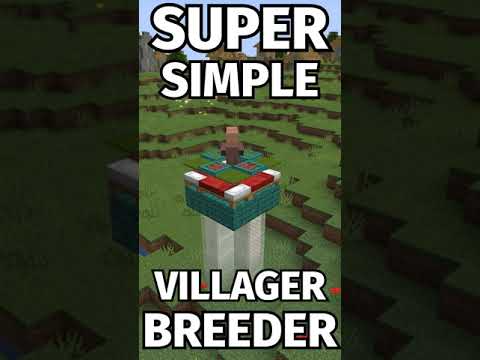
So, you’re ready to become a virtual village planner, eh? Fantastic! Setting up a successful villager breeding room in Minecraft is a rewarding endeavor, allowing you to expand your village, trade for valuable items, and even populate new settlements. The key lies in understanding the core requirements and optimizing the environment to encourage those little digital people to, well, multiply.
Here’s the bottom line: You need beds, food, and space. More specifically:
-
Sufficient Beds: The golden rule: you must have more beds than villagers currently present. For two villagers to breed, you need at least three beds: two for the parents and one for the upcoming baby. Keep in mind that these beds need to be considered valid by the game, having at least two blocks of free space directly above them (including the bed itself). Any solid block preventing them from jumping on the bed will negate its effectiveness.
-
Willing Villagers: Villagers need to be “willing” to breed. This is achieved by providing them with food. Each villager needs a minimum of 12 food points to become willing. This can be satisfied with:
- 3 Loaves of Bread (4 food points each)
- 12 Carrots (1 food point each)
- 12 Potatoes (1 food point each)
- 12 Beetroots (1 food point each)
- 12 Wheat(1 food point each) Villagers can share food. Throw it at their feet, and they’ll pick it up and distribute it among themselves. You’ll know they’re willing when hearts appear above their heads.
-
Enclosed Space: An enclosed area is essential to prevent villagers from wandering off. It also helps you control the environment and ensure the beds are properly recognized. Use any building blocks you prefer (wood, stone, glass, etc.) and make sure to create a space that is fully enclosed.
-
Valid Village Status: While doors are a thing of the past for villager breeding, Minecraft still needs to recognize your breeding room as part of a valid “village.”
Beyond these core elements, optimization is key. Consider lighting the area to prevent hostile mobs from spawning, and streamlining the food distribution process. Now, let’s address some common questions that might pop into your head!
Frequently Asked Questions (FAQs)
Can villagers breed without a workstation?
No, villagers do not need workstations to breed. Workstations, or job site blocks, are only relevant for assigning professions to villagers. Breeding depends solely on the availability of unclaimed beds and willingness.
How many beds do I really need?
Always aim for at least one more bed than the total number of villagers you want to have. So, if you currently have two villagers and want more, make sure to have at least three beds. It’s also recommended to have a couple more just to maximize efficiency.
Do I need to worry about doors anymore?
Nope! Forget about doors. The breeding mechanics changed in version 1.14. Now, beds are the primary requirement.
What if my villagers have angry particles above their heads?
“Angry” particles typically indicate that something is preventing them from breeding. The most common causes are:
- Population Cap: The game may have reached the maximum villager population for the area.
- Obstructed Beds: Ensure there are no blocks directly above the beds, preventing villagers from accessing them.
- Lack of Willingness: Double-check that your villagers have enough food in their inventories.
Can I build a villager breeder inside an existing village?
Yes, you can! In fact, it is often easier to start breeding villagers in an existing village because you don’t have to transport the first couple of villagers to your breeder. If you’re starting from scratch, you’ll need to move villagers from an existing village to your breeder. Boats and minecarts are your best bet for long-distance transportation.
What foods can villagers breed with?
Villagers will breed when given any of the following foods, each contributing a specific amount to their overall “willingness”:
- Bread: 4 food points
- Carrot: 1 food point
- Potato: 1 food point
- Beetroot: 1 food point
- Wheat: 1 food point
They need a total of 12 food points each to become willing.
Do Nitwit villagers breed?
Yes! Despite their lack of profession, Nitwit villagers can still breed just like any other villager. Don’t discriminate; give them food and a bed!
How far away do I need to move baby villagers to keep the breeder working?
In Java Edition, moving baby villagers at least 48 blocks away from the breeder is usually sufficient. In Bedrock Edition, the distance is greater and it’s recommended to move babies at least 100 blocks away. This ensures the breeder continues to function efficiently without hitting population limits.
Can villagers breed without sunlight?
Absolutely! Villagers do not need sunlight to breed. As long as the core requirements (beds, food, space) are met, they’ll breed in a completely dark, enclosed room.
My villagers are throwing food, but not breeding. Why?
There are a couple potential reasons:
-
Not Enough Food: Even if they’re throwing food, they may not have reached the required 12 food points each to become willing. Keep feeding them!
-
Obstructed Beds: Make sure there are two free blocks between the top of the bed and the roof.
-
Population Cap: The village might have hit its maximum population, preventing further breeding.
-
Beds already claimed: Make sure each villager can pathfind to a bed. If villagers are too far or blocked from the beds they need to breed, they won’t breed.
Do I need to trade with villagers to get them to breed?
No, trading is not required for breeding. Trading is essential for unlocking new trades and potentially improving villager prices, but it’s completely separate from the breeding process.
How do I automate food distribution to my villagers?
Automating food distribution can significantly improve the efficiency of your villager breeder. The most common methods involve:
-
Farmer Villagers: Create a farm near the breeder, and let farmer villagers harvest and share the crops with other villagers.
-
Item Droppers/Dispensers: Use item droppers or dispensers connected to a redstone clock to periodically dispense food into the breeder area.
How does villager breeding work in different Minecraft editions (Java vs. Bedrock)?
The core mechanics are generally the same (beds, food, space), but there are some subtle differences:
- Population Caps: Bedrock Edition tends to have stricter population caps than Java Edition.
- Distance Requirements: As mentioned earlier, the distance baby villagers need to be moved away from the breeder is greater in Bedrock Edition.
- Villager AI: Villager behavior and pathfinding can vary slightly between the two editions.
Always test your breeder design in your specific edition of Minecraft to ensure it’s working as intended.
What are the benefits of having a villager breeder?
A well-designed villager breeder offers numerous benefits:
-
Unlimited Villagers: Expand your village population without relying on finding new villages.
-
Trading Opportunities: Trade with villagers for valuable items like enchanted books, tools, and resources.
-
Golem Farms: Villagers in a village will spawn Iron Golems, which are a great way to collect iron.
-
Village Expansion: Populate new villages in distant locations by transporting bred villagers.
Where can I learn more about villager mechanics in Minecraft?
There are tons of great resources online! Consider checking out the Minecraft Wiki for detailed information, or watching tutorial videos on YouTube. You can also dive into discussions and share your own breeding strategies with other players on forums like Reddit. Don’t forget to check out the Games Learning Society at GamesLearningSociety.org for more learning opportunities around games!
By following these guidelines and understanding the underlying mechanics, you’ll be well on your way to creating a thriving villager breeding room and reaping the rewards of a bustling Minecraft village! Happy breeding!