Level Up Your Content: A Comprehensive Guide to Recording Gameplay
Fast answer first. Then use the tabs or video for more detail.
- Watch the video explanation below for a faster overview.
- Game mechanics may change with updates or patches.
- Use this block to get the short answer without scrolling the whole page.
- Read the FAQ section if the article has one.
- Use the table of contents to jump straight to the detailed section you need.
- Watch the video first, then skim the article for specifics.
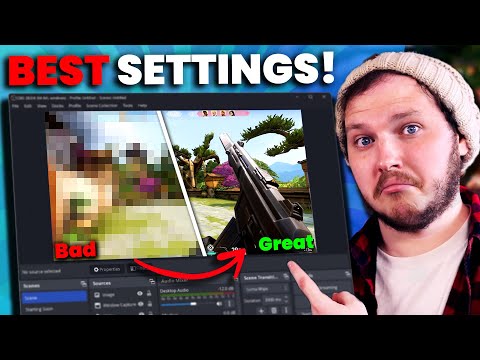
So, you’re ready to dive into the world of gameplay recording? Excellent! Whether you aspire to be the next big streamer, create engaging YouTube content, or simply document your epic gaming moments, you’ll need the right gear. At its core, recording gameplay requires a few key elements: a device to play games on, software or hardware to capture the footage, and a platform to share your creations. Let’s break it down:
-
Gaming Platform: This could be a PC, console (PlayStation, Xbox, Nintendo Switch), or even a mobile device. The platform dictates the methods and tools you’ll use to record.
-
Capture Method: This is where things get interesting. You can use built-in recording software (like Windows Game Bar), dedicated capture software (like OBS Studio or Streamlabs Desktop), or a hardware capture card (like those from Elgato or AVerMedia). The best choice depends on your platform, budget, and desired quality.
-
Recording Software: Essential for capturing the gameplay.
-
Storage: Recorded videos can take up a lot of space.
-
Microphone: A good microphone to ensure clear audio.
-
Video Editing Software: Used to refine your recording.
-
Audio Input: A microphone is crucial for commentary. A dedicated USB microphone or headset with a microphone will provide far better quality than your device’s built-in microphone.
-
Storage Space: High-quality gameplay recordings eat up storage quickly. A large hard drive (1TB or more) or an external hard drive is a must. Consider an SSD for faster recording and editing speeds.
-
Editing Software: This allows you to trim footage, add effects, insert text, and optimize audio. Free options like DaVinci Resolve are surprisingly powerful, while paid options like Adobe Premiere Pro offer more advanced features.
-
A Plan: Recording is only part of the puzzle. You also need a clear idea of your niche, your target audience, and a consistent upload schedule to build a following.
-
Understanding of Fair Use Policy: Using clips from other content is allowed, but it must be done in accordance with the Fair Use Policy.
This foundational equipment is more than enough to get started, and you can always improve your setup later.
FAQs: Delving Deeper into Gameplay Recording
Here are some frequently asked questions to help you navigate the world of gameplay recording:
1. Do I need an expensive PC to record gameplay?
Not necessarily! While a powerful PC certainly helps, especially for recording at higher resolutions and frame rates, you can start with a mid-range system. Focus on having enough RAM (8GB to 16GB minimum) and a decent CPU. If your PC struggles with recording and playing simultaneously, consider using a hardware capture card, which offloads the recording process from your PC. You can also check out the resources at GamesLearningSociety.org for more insight.
2. What’s the difference between software and hardware capture?
Software capture uses your PC’s resources (CPU and GPU) to record the gameplay directly. This is convenient but can impact performance. Hardware capture cards are external devices that handle the recording process, minimizing the impact on your PC’s performance. They’re ideal for high-quality recording and streaming.
3. Is OBS Studio really free and good?
Yes! OBS Studio is a free and open-source software that’s widely considered the industry standard for recording and streaming. It’s incredibly powerful and customizable, offering a wide range of features. While it has a steeper learning curve than some other options, the wealth of tutorials available online makes it accessible to beginners.
4. How much RAM do I need for recording and editing?
8GB of RAM is a bare minimum, but 16GB is recommended for smooth recording and editing, especially if you’re working with high-resolution footage. If you plan on using large sample libraries, go with 32 GB.
5. What’s the best microphone for game commentary?
A USB microphone designed for recording is a great starting point. Brands like Blue Yeti, Rode, and Audio-Technica offer excellent options at various price points. A pop filter and a shock mount can further improve your audio quality.
6. Do I need a webcam for my gameplay videos?
While not essential, a webcam can add a personal touch to your videos. Seeing your reactions and expressions can make your content more engaging. However, focus on high-quality gameplay and audio first.
7. What resolution and frame rate should I record at?
1080p at 60fps is a good balance between quality and file size for most platforms. If your hardware allows, you can go for 1440p or even 4K, but be aware of the increased storage requirements.
8. Is it legal to record gameplay and upload it to YouTube?
Generally, yes. Most game developers encourage content creation and allow you to record and monetize your gameplay. However, it’s essential to check the game’s terms of service to ensure you’re complying with their guidelines.
9. How do I avoid copyright issues when using in-game music?
Many games feature copyrighted music that can trigger copyright strikes on YouTube. You can either mute the in-game music and add your own royalty-free music or use games that offer a “streamer mode” that replaces copyrighted tracks with copyright-free alternatives.
10. What’s the best video editing software for beginners?
DaVinci Resolve is a fantastic free option that offers professional-level editing capabilities. Shotcut and OpenShot are also free and user-friendly. If you’re willing to pay, Adobe Premiere Pro is an industry-standard, but it has a steeper learning curve.
11. How important is lighting for webcam footage?
Good lighting is crucial for creating clear and professional-looking webcam footage. Natural light is ideal, but if that’s not available, invest in a ring light or a softbox to illuminate your face evenly.
12. Should I use a green screen?
A green screen can be a fun way to add visual flair to your videos, allowing you to replace the background with custom images or videos. However, it requires good lighting and some technical know-how to use effectively. It’s not essential for starting out.
13. How much storage space do I need for gameplay recordings?
This depends on the resolution, frame rate, and length of your recordings. High-quality footage can easily eat up hundreds of gigabytes. A 1TB or larger hard drive is a good starting point. Consider an SSD for faster access times.
14. How do I optimize my videos for YouTube?
SEO (Search Engine Optimization) is crucial for getting your videos discovered. Use relevant keywords in your titles, descriptions, and tags. Create an engaging thumbnail that grabs attention. Promote your videos on social media.
15. How do I build an audience for my gameplay videos?
Consistency is key! Upload videos regularly (e.g., once a week). Interact with your viewers in the comments section. Collaborate with other content creators. Find your niche and create content that your target audience will enjoy.
Start Your Gameplay Recording Journey Today
Recording gameplay can be an incredibly rewarding experience, whether you’re sharing your skills with the world or simply documenting your gaming adventures. Remember to have fun, be creative, and don’t be afraid to experiment. With the right equipment and a little dedication, you’ll be well on your way to creating awesome content!