Aim Smoothing: Unveiling the Mechanics Behind Smoother Gameplay
Fast answer first. Then use the tabs or video for more detail.
- Watch the video explanation below for a faster overview.
- Game mechanics may change with updates or patches.
- Use this block to get the short answer without scrolling the whole page.
- Read the FAQ section if the article has one.
- Use the table of contents to jump straight to the detailed section you need.
- Watch the video first, then skim the article for specifics.
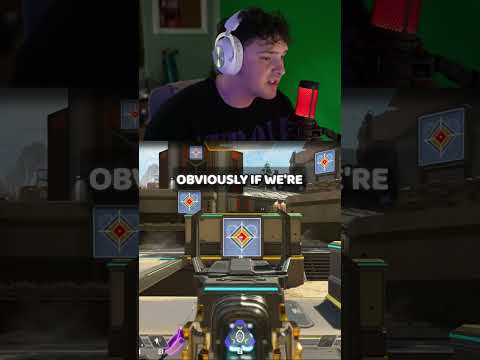
Aim smoothing is a video game setting that introduces a delay or artificial inertia to your aiming input. Instead of your reticle moving instantly to where you point it with your mouse or controller, aim smoothing gradually moves the reticle towards the desired location. This effect, often implemented through algorithms, aims to reduce jerky movements and create a more fluid, controlled aiming experience.
Understanding the Nuances of Aim Smoothing
Essentially, aim smoothing acts as a filter, softening the transitions between different aiming directions. While this can lead to a seemingly smoother visual experience, it comes at the cost of input lag and a reduced sense of direct control. The degree of smoothing can often be adjusted within the game’s settings, allowing players to fine-tune the effect to their preference. However, understanding the trade-offs is crucial for optimizing performance, especially in competitive environments.
How Aim Smoothing Works
At its core, aim smoothing functions by taking your raw aiming input and averaging it over a short period of time. This averaging process is what creates the delay. Imagine trying to draw a straight line by rapidly moving your hand back and forth; the result would be jagged. Aim smoothing attempts to correct this “jaggedness” by rounding out the sharp changes in direction.
The algorithm used to achieve this can vary. Some games utilize simple moving averages, while others employ more complex techniques like weighted averages or interpolation. The complexity of the algorithm directly impacts the effectiveness and feel of the smoothing. More sophisticated algorithms might be able to predict the intended aiming direction better, resulting in a more responsive experience despite the smoothing effect.
Benefits and Drawbacks of Aim Smoothing
The most prominent benefit of aim smoothing is, as the name suggests, a smoother aiming experience. This can be particularly beneficial for players using controllers, where precise aiming can be more challenging due to the limited range of motion and sensitivity of the analog sticks. Smoothing can help to compensate for these limitations, making it easier to track moving targets and maintain a stable aim. It also helps in games that utilize heavy recoil mechanics, making weapons feel less erratic.
However, the drawbacks are significant, particularly for players who value precision and responsiveness. The input lag introduced by aim smoothing can make it difficult to react quickly to sudden movements or changes in target direction. This can be a major disadvantage in fast-paced games where split-second decisions are critical. Furthermore, the feeling of disconnectedness from the reticle can be frustrating for players who prefer a more direct and immediate connection to their aiming input. Professional players almost universally disable aim smoothing for these reasons.
Frequently Asked Questions (FAQs) about Aim Smoothing
Here are 15 frequently asked questions to provide a more comprehensive understanding of aim smoothing:
1. What games commonly use aim smoothing?
Many console games use aim smoothing by default, as it is seen as a helpful tool for controller users. Games like Call of Duty, Apex Legends, Overwatch, and Halo often feature aim smoothing options, though the implementation and adjustability vary widely. Some PC games, particularly those designed with cross-platform play in mind, also include aim smoothing settings.
2. How does aim smoothing differ from aim assist?
Aim smoothing reduces jerky movements, while aim assist helps to keep the reticle on target. Aim assist actively pulls the reticle towards an enemy, making it easier to track and hit moving targets. Aim smoothing, on the other hand, does not actively manipulate the reticle’s position; it merely smooths out the transitions between different aiming directions. They can be used independently or together.
3. Can I adjust the level of aim smoothing in a game?
Yes, many games allow you to adjust the level of aim smoothing in the settings menu. Some games offer a simple on/off toggle, while others provide a slider that allows you to fine-tune the intensity of the smoothing effect. Experimenting with different settings is crucial to finding what works best for your play style.
4. What is the best aim smoothing setting for competitive gaming?
Generally, the best aim smoothing setting for competitive gaming is zero or off. The input lag and reduced control associated with aim smoothing can be detrimental to performance in competitive environments. However, this is a personal preference and depends on the game, input method, and personal comfort.
5. Will turning off aim smoothing make my aim worse at first?
Yes, initially, turning off aim smoothing may make your aim feel worse. You will likely notice increased shakiness and jerkiness in your movements. However, with practice, you can adapt to the raw input and develop more precise and responsive aiming skills.
6. Is aim smoothing more beneficial for controller or mouse and keyboard users?
Aim smoothing is generally more beneficial for controller users. The limited range of motion and sensitivity of analog sticks can make precise aiming more challenging, and aim smoothing can help to compensate for these limitations. Mouse and keyboard users typically have finer control and precision, making aim smoothing less necessary.
7. How can I improve my aim if I turn off aim smoothing?
To improve your aim after turning off aim smoothing, focus on practicing precise and controlled movements. Use aim trainers, play regularly, and pay attention to your grip and posture. Gradually increase your sensitivity as you become more comfortable with the raw input.
8. Does aim smoothing affect all games the same way?
No, the implementation of aim smoothing varies from game to game. Different games may use different algorithms, and the intensity of the smoothing effect can differ significantly.
9. Does aim smoothing affect input lag?
Yes, aim smoothing always introduces some degree of input lag. This is because the algorithm needs time to process the input and smooth out the transitions. The amount of input lag can vary depending on the complexity of the algorithm and the intensity of the smoothing effect.
10. Can aim smoothing be beneficial in single-player games?
Yes, aim smoothing can be beneficial in single-player games, particularly if you prioritize a smooth and comfortable aiming experience over absolute precision. It can make it easier to enjoy the game without getting frustrated by jerky movements or recoil.
11. Is there a middle ground between completely turning off aim smoothing and maxing it out?
Yes, many games offer a sliding scale for aim smoothing, allowing you to find a middle ground that suits your preferences. Experiment with different settings to see what feels most comfortable and responsive to you.
12. How do I test the effects of aim smoothing in a game?
The best way to test the effects of aim smoothing is to experiment with different settings in a controlled environment. Go into a practice range or training mode and try aiming at stationary targets and tracking moving targets. Pay attention to how the reticle feels and how responsive it is to your input. Switch between different aim smoothing settings (including completely off) to compare the differences.
13. Can aim smoothing hide bad aim?
To some extent, aim smoothing can hide bad aim by masking jerky or inconsistent movements. However, it won’t magically make you a better player. It’s more of a band-aid solution that can provide a more comfortable experience but won’t fundamentally improve your aiming skills.
14. Does aim smoothing affect the feel of recoil?
Yes, aim smoothing can affect the feel of recoil. By smoothing out the transitions between different aiming directions, it can make recoil feel less erratic and more manageable. However, this can also make it harder to control recoil patterns and develop precise recoil compensation techniques.
15. Are there any alternatives to aim smoothing for making aiming easier?
Yes, there are alternatives to aim smoothing, such as adjusting your sensitivity settings, using aim trainers, and practicing regularly. Experimenting with different sensitivity levels can help you find a setting that feels comfortable and responsive to your input. Aim trainers can help you develop precise aiming skills, and regular practice can help you build muscle memory and improve your overall aim.