Decoding the Enigma: What Exactly Does Exotic Orchard Do?
Fast answer first. Then use the tabs or video for more detail.
- Watch the video explanation below for a faster overview.
- Game mechanics may change with updates or patches.
- Use this block to get the short answer without scrolling the whole page.
- Read the FAQ section if the article has one.
- Use the table of contents to jump straight to the detailed section you need.
- Watch the video first, then skim the article for specifics.
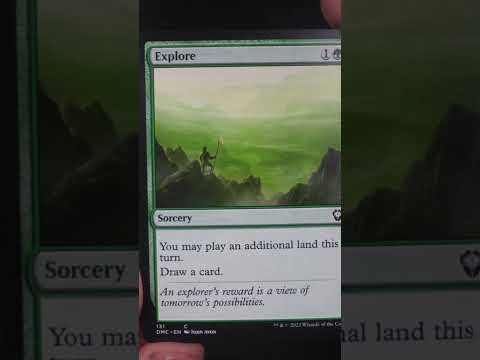
Exotic Orchard, a deceptively simple-looking land card from Magic: The Gathering, possesses a unique ability that can significantly impact gameplay, particularly in multiplayer formats like Commander. In its simplest form, Exotic Orchard can tap to produce one mana of any color that a land an opponent controls could produce. This means its mana production is entirely dependent on the lands your opponents have in play. It essentially acts as a mirror, reflecting the color potential of your adversaries’ mana bases. However, there are nuances to this ability that warrant a deeper exploration. It’s not as straightforward as a basic land or a dual land, making it a tactical choice rather than an automatic inclusion in every deck. This variability is both its strength and, in certain situations, its weakness.
Delving Deeper: How Exotic Orchard Operates
The core functionality of Exotic Orchard is tied to the phrasing “a land an opponent controls can produce.” The game looks at each land your opponents control and identifies the colors of mana those lands can potentially generate. The color of the mana, not the type of land, is the key factor. For example, if an opponent controls a basic Plains, Exotic Orchard can tap for White mana. If another opponent controls a basic Forest, it can also tap for Green mana on the same turn. This dynamic nature is what makes Exotic Orchard so compelling and, at times, unpredictable.
The Commander Caveat
It’s crucial to understand how Exotic Orchard interacts with the Commander format’s color identity rule. This rule states that if you would add mana of a color outside of your commander’s color identity to your mana pool, you instead add colorless mana. So, if your commander is a mono-white commander, even if an opponent controls a land that could produce green mana, tapping Exotic Orchard won’t add green to your pool; it will instead add colorless. Thus, the utility of Exotic Orchard in Commander is significantly influenced by the color identities of your opponents’ commanders. If an opponent has a three-color commander, you will likely have access to three colors from the Exotic Orchard. In cases where all your opponents play commanders with the same color or are running mono-color decks, it can end up being mostly useless, as you’ll end up with colorless mana instead.
Beyond the Basics: Complex Interactions
While it often functions seamlessly, there are more complicated scenarios involving Exotic Orchard. Consider these:
- Lands with Variable Mana Abilities: Cards like City of Brass or Mana Confluence, which can produce any color of mana, will allow Exotic Orchard to tap for any color that your opponents’ other lands produce, and that these cards can also produce..
- Lands with Conditional Mana: Lands that produce mana of a specific color only under certain conditions will still influence Exotic Orchard’s output if those conditions are met for your opponents.
- Copy Effects: If an opponent controls a land that is a copy of another land, Exotic Orchard checks the mana producing capabilities of the copy, and it may be different from the land that it is copying.
- Colorless Mana: Exotic Orchard cannot produce colorless mana, even if an opponent’s land can. This means that it will only tap for one of the 5 colors of mana.
The key takeaway is that Exotic Orchard’s abilities can change on a turn-by-turn basis. Each opponent’s plays, each land drop, can alter the card’s utility. This dynamic quality makes it an interesting choice for players who want their lands to be more flexible.
Frequently Asked Questions (FAQs) about Exotic Orchard
Here are 15 frequently asked questions about Exotic Orchard, aimed at providing a comprehensive understanding of the card:
1. Can Exotic Orchard produce colorless mana?
No. Exotic Orchard specifically produces colored mana, despite the fact that some lands can produce colorless mana. This is a fundamental aspect of its design and is essential to understanding its limitations. The game only checks which color a land an opponent can produce.
2. Does Exotic Orchard enter the battlefield tapped?
No. Exotic Orchard enters the battlefield untapped, ready to be used immediately. This is an advantage over many other non-basic lands that come into play tapped.
3. Does Exotic Orchard cause damage to its controller?
No. Unlike some lands that inflict damage or require life payments to use, Exotic Orchard does not cause damage or any other negative effect to its controller. It is a land that produces mana, and does so without drawbacks.
4. What happens if my opponents don’t play any lands?
If none of your opponents control lands, Exotic Orchard cannot produce mana. It is entirely reliant on the presence of opponent-controlled lands to function. This makes it worse in the early game when opponents may have not played any land.
5. If an opponent controls a Command Tower, what colors can Exotic Orchard produce?
Exotic Orchard can produce any color within that opponent’s commander’s color identity if they control a Command Tower. This makes Command Tower a great way to generate multiple colors with your Exotic Orchard.
6. Can Exotic Orchard produce mana of a color my commander doesn’t use?
In Commander, this mana is converted to colorless mana due to the format’s color identity rule. The color the Exotic Orchard could make is checked first and then that color is replaced by colorless if it is outside your commander’s color identity.
7. If my opponent controls a land that can produce any color, can Exotic Orchard also do that?
Yes. If an opponent controls a land like City of Brass or Mana Confluence, which can produce any color, Exotic Orchard can also produce any of the available colors those cards can produce. However, it will never produce the color it is actually producing, and instead, will produce the color based on the opponent’s other lands.
8. If an opponent’s land has multiple types, does Exotic Orchard produce different types of mana based on that?
No. The mana type is not considered. Exotic Orchard only checks the color, not the basic land types such as Forest, Plains, etc.
9. What if an opponent’s land produces mana based on a condition?
If the conditions are met, then Exotic Orchard can produce mana. For example, if an opponent controls a land that can only produce green mana if they control a creature, Exotic Orchard can only produce green mana if they control that creature.
10. How does Exotic Orchard interact with lands that are animated into creatures?
If a land that is normally not a creature is animated to be a creature, Exotic Orchard only checks if it can produce mana, not if it is a creature or not.
11. Is Exotic Orchard a good card to include in all Commander decks?
Not always. Its efficacy depends heavily on your opponents’ decks. In a diverse playgroup with varied color identities, it is often a fantastic addition. However, if most of your opponents play mono-colored or very similar color decks, Exotic Orchard can be far less valuable.
12. Can Exotic Orchard produce mana from a land that an opponent controls that is tapped?
Yes. Exotic Orchard does not care if an opponent’s land is tapped or untapped. It only checks for the colors the lands can potentially produce.
13. If an opponent has a dual land, can Exotic Orchard produce either color?
Yes. If an opponent controls a land that can produce multiple colors, such as a dual land, Exotic Orchard can tap for either of those colors.
14. How does Exotic Orchard work with lands that are copied or have changed their abilities?
Exotic Orchard checks the current ability of the opponent’s lands to produce colored mana. This is important because the mana production of lands can change. For example, if an opponent uses a card to transform a land into a copy of another land, Exotic Orchard would produce based on what that copied land produces.
15. Does it matter if the land an opponent controls is a basic land or not?
No. The type of land does not matter; Exotic Orchard will generate a color if that land has the ability to produce it. If your opponent controls a non-basic land with the ability to produce red mana, Exotic Orchard will be able to tap for red mana.
Conclusion: A Strategic Asset
Exotic Orchard is a dynamic card with a significant impact on multiplayer games, especially in Commander. While its effectiveness is determined by your opponents’ mana bases, it can provide crucial color fixing. This land encourages you to pay attention to what your opponents are doing and adapt your strategy accordingly. It also adds an element of unpredictability to the game, making it a compelling choice for players who appreciate a little chaos on the battlefield. While it is not without its limitations, especially with regards to colorless mana, and commander identity, its utility as a mana fixing land makes it a potent addition to the many non-basic lands you can choose to include in your deck.