Understanding the Role of the Off Healer in Gaming
Fast answer first. Then use the tabs or video for more detail.
- Watch the video explanation below for a faster overview.
- Game mechanics may change with updates or patches.
- Use this block to get the short answer without scrolling the whole page.
- Read the FAQ section if the article has one.
- Use the table of contents to jump straight to the detailed section you need.
- Watch the video first, then skim the article for specifics.
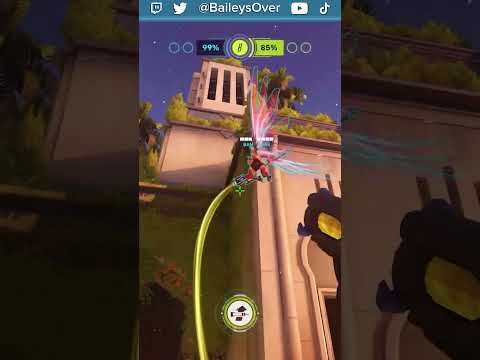
An off healer, often abbreviated to OH or referred to as a secondary healer, is a player in a team-based game whose primary focus is to supplement the main healer by providing additional healing support. Instead of being solely responsible for keeping the entire team alive, the off healer concentrates on relieving pressure from the main healer by targeting specific roles, such as the off-tank or other key members who are taking significant damage. This role is crucial for sustaining prolonged engagements and ensuring the team’s overall survivability.
Delving Deeper into the Off Healer Role
The concept of an off healer extends beyond simply providing extra healing. It involves strategic decision-making, prioritization, and understanding the flow of combat to maximize the impact of their healing abilities. Off healers often possess a diverse toolkit that may include utility skills like buffs, crowd control, or even damage dealing, allowing them to contribute in multiple ways beyond pure healing output.
The presence of an off healer allows the main healer to focus on high-priority targets and manage their resources more effectively. By distributing the healing load, the team becomes more resilient to burst damage and can sustain damage over time more reliably. Furthermore, the off healer can provide crucial support in situations where the main healer is incapacitated or needs to reposition.
The Importance of Team Composition
In many games, the effectiveness of an off healer is heavily dependent on the overall team composition. Certain team structures may benefit more from the additional healing and utility provided by an off healer, while others might prioritize different types of support roles. For instance, a team that relies heavily on a durable tank to absorb damage would greatly benefit from an off healer dedicated to keeping the tank alive.
Adapting to Different Game Genres
The role of the off healer can vary significantly depending on the specific game genre. In MMORPGs (Massively Multiplayer Online Role-Playing Games), off healers are commonly found in raids and dungeons, providing essential support to the main healers in challenging encounters. In MOBAs (Multiplayer Online Battle Arenas), off healers may focus on providing sustain to specific lanes or protecting vulnerable carries. In FPS (First-Person Shooter) games like Overwatch, off healers often have a more diverse skillset, combining healing with damage and utility abilities to support their team.
The strategic decision-making involved in optimizing team compositions and roles is just one of the many ways that gaming can engage and educate players. More information about learning through games can be found at the Games Learning Society website.
Examples of Off Healer Characters
Several popular game characters can be categorized as off healers, including:
-
Mercy (Overwatch): While primarily known for her consistent healing output and resurrect ability, Mercy’s mobility and damage boost also make her effective at supporting the main healer.
-
Zenyatta (Overwatch): Zenyatta’s Orb of Harmony provides consistent healing to a single target, allowing him to supplement the main healer while also contributing significant damage with his Orb of Destruction.
-
Brigitte (Overwatch): Brigitte’s combination of healing, armor, and crowd control makes her a valuable off healer, particularly in close-range engagements.
-
Lucio (Overwatch): Lucio’s aura-based healing and speed boost provide consistent support to his team, making him a versatile off healer.
-
Life Weaver (Overwatch): Life Weaver is considered an off healer for his influence on micro interactions and aiming to help his team win these using his abilities.
Distinguishing Between Main and Off Healers
The key difference between main healers and off healers lies in their primary focus and healing output. Main healers are typically responsible for providing the bulk of the team’s healing, often possessing abilities that can heal multiple targets simultaneously or deliver high amounts of healing to a single target. Off healers, on the other hand, focus on supplementing the main healer by providing additional healing support, utility, and damage.
FAQs About Off Healers
1. What does the acronym OH stand for in gaming?
OH is commonly used as an abbreviation for Off Healer.
2. What are the key characteristics of an off healer?
The key characteristics of an off healer include the ability to supplement the main healer, prioritize healing targets, provide utility skills, and adapt to different combat situations.
3. Can an off healer replace a main healer?
In most cases, an off healer cannot fully replace a main healer, as they typically lack the raw healing output and sustain necessary to keep the entire team alive on their own.
4. How do I know if a character is an off healer?
A character is likely an off healer if their healing abilities are focused on supplementing the main healer, providing consistent support to specific targets, and offering utility skills beyond pure healing.
5. What is the role of a main healer?
The main healer is responsible for providing the bulk of the team’s healing, often possessing abilities that can heal multiple targets simultaneously or deliver high amounts of healing to a single target.
6. How does team composition affect the role of an off healer?
The effectiveness of an off healer is heavily dependent on the overall team composition, as certain team structures may benefit more from the additional healing and utility they provide.
7. What are some examples of utility skills that off healers might possess?
Examples of utility skills that off healers might possess include buffs, crowd control, damage dealing, and mobility abilities.
8. What should an off healer prioritize when deciding who to heal?
An off healer should prioritize healing targets who are taking significant damage, such as the off-tank or other key members who are vulnerable. They should also prioritize targets who are at risk of being eliminated quickly.
9. How can an off healer contribute to the team beyond healing?
An off healer can contribute to the team beyond healing by providing utility skills, dealing damage, and disrupting enemy formations.
10. What is the difference between burst healing and sustained healing?
Burst healing refers to abilities that deliver a large amount of healing quickly, while sustained healing refers to abilities that provide a consistent stream of healing over time.
11. How does the role of an off healer differ in different game genres?
The role of an off healer can vary significantly depending on the specific game genre. In MMORPGs, they provide essential support in raids and dungeons. In MOBAs, they may focus on providing sustain to specific lanes. In FPS games, they often have a more diverse skillset.
12. What is the best way to communicate with the main healer as an off healer?
Effective communication is crucial for coordinating healing efforts and ensuring that both the main healer and off healer are aware of the team’s needs. This can be achieved through voice chat, text chat, or in-game communication tools.
13. How can I improve my skills as an off healer?
To improve your skills as an off healer, focus on developing your awareness of the battlefield, understanding the strengths and weaknesses of your character, and practicing effective communication with your team.
14. What are some common mistakes that off healers make?
Common mistakes that off healers make include failing to prioritize healing targets, neglecting to use their utility skills, and tunnel-visioning on a single target.
15. Where can I learn more about team composition and role optimization in gaming?
You can learn more about team composition and role optimization in gaming by researching online resources, watching professional players, and experimenting with different team compositions in your own games. Additionally, understanding how people learn through gaming, and the potential educational benefits of gameplay, can be discovered by visiting GamesLearningSociety.org.
By understanding the role of the off healer and mastering the skills necessary to excel in this position, you can significantly improve your team’s chances of success and become a valuable asset in any team-based game.