Decoding the Black Lotus: Slang, Symbolism, and Cultural Connotations
Fast answer first. Then use the tabs or video for more detail.
- Watch the video explanation below for a faster overview.
- Game mechanics may change with updates or patches.
- Use this block to get the short answer without scrolling the whole page.
- Read the FAQ section if the article has one.
- Use the table of contents to jump straight to the detailed section you need.
- Watch the video first, then skim the article for specifics.
The term “black lotus” in slang, particularly within online communities and discussions about media, refers to a character—usually a woman—who presents an outward facade of innocence, kindness, and purity, but in reality is manipulative, cruel, and malicious. This deceptive nature is the core of the black lotus persona. They are masters of disguise, masking their negative intentions with a seemingly gentle and agreeable demeanor. Often, the slang “black lotus” is used interchangeably with “green tea,” a term with very similar connotations in online discourse. The stark contrast between their projected image and their true nature makes them a particularly intriguing and often villainous figure.
The Dark Side of Deception: Understanding the Black Lotus
The black lotus as slang stands in direct opposition to the “white lotus,” a term also used in slang and referring to a character who genuinely embodies the positive traits of purity, innocence, and naivety. While the white lotus may be seen as a positive, albeit sometimes passive, character, the black lotus weaponizes the perceived virtues of a white lotus, twisting them into tools for manipulation and self-serving agendas. The black lotus uses their charming facade and feigned vulnerability to gain trust, only to then exploit that trust for their own selfish purposes.
This duplicity makes the black lotus character particularly compelling, as their true nature is hidden beneath layers of charm and a faux-kindness. This inherent deception makes them a fascinating study in fictional storytelling, and is frequently seen in many forms of popular media.
The Black Lotus vs. The White Lotus: A Study in Contrasts
To fully understand the black lotus, it’s essential to differentiate it from its opposite, the white lotus. The white lotus is typically portrayed as genuinely pure-hearted and kind, often to the point of naiveté. They may be seen as idealistic or even overly trusting, their actions are generally aligned with their positive intentions. On the other hand, the black lotus capitalizes on the perception of being a white lotus, exploiting this perception to manipulate others. The black lotus’s actions are never truly aligned with their outward persona. They’re a wolf in sheep’s clothing, making them especially dangerous to those around them.
Cultural Roots and Symbolic Irony
The use of “black lotus” as slang is particularly striking given the rich symbolism associated with lotuses in Eastern traditions. In Hinduism and Buddhism, lotuses, including black lotuses, are highly revered. The petals of the black lotus can symbolize the five Buddhas of Wisdom, while the center represents the heart chakra and Buddhist enlightenment. This deep spiritual meaning contrasts sharply with the negative slang usage of the term. It’s the juxtaposition of this sacred imagery with a character representing manipulation and cruelty that makes the “black lotus” such a compelling and often unsettling archetype in modern slang.
The Lotus Beyond Slang: Positive Symbolism
Beyond its slang meaning, the lotus flower, in general, holds deep symbolic value across many cultures. White lotuses are often associated with purity, spiritual perfection, and enlightenment. Pink lotuses are known as Buddha’s earthly symbol, representing the journey towards enlightenment, with a fully bloomed lotus signifying the completed state. Red lotuses signify love, passion, and compassion. This diverse symbolism underscores the complexity and richness of the lotus’ meaning, highlighting the dramatic irony inherent in the negative connotation of the slang term “black lotus”.
FAQs: Diving Deeper into the Black Lotus Slang
Here are 15 frequently asked questions to further clarify the meaning and implications of “black lotus” in slang:
-
Is the “black lotus” a positive or negative character in slang? The “black lotus” is definitively a negative character. Despite projecting a positive and innocent image, they are manipulative and cruel at their core.
-
How is a “black lotus” different from a regular villain? While regular villains may be openly malicious, the black lotus is uniquely deceptive. They hide their negative intentions behind a facade of kindness and purity, making them even more dangerous.
-
What is the connection between “black lotus” and “green tea” in slang? The terms are largely interchangeable. Both refer to characters who project an innocent image while actually being manipulative and malicious.
-
Where does the term “black lotus” originate in slang use? While the exact origins are unclear, the term has gained prominence in online discussions about fictional characters in various media, from television to anime and web novels.
-
Does a “black lotus” always have to be a female character? While predominantly used to describe female characters, it can also be used to describe male characters who exhibit the same traits of deceptive charm and manipulation. However, it is far less common.
-
Can a “black lotus” ever redeem themselves? While possible in fiction, the nature of a black lotus character’s deceit makes redemption a difficult process, often needing a radical change in the character’s core motivations.
-
Are all “white lotus” characters good? Generally, white lotus characters are depicted as genuinely good but often naive. Their naivete can make them vulnerable and can sometimes lead to unintentional harm.
-
What are some common traits of a “black lotus”? These include being manipulative, self-serving, charming, deceptive, and skilled at playing the victim. They often exhibit a high level of emotional intelligence that they use for self-gain.
-
How does the symbolism of the actual black lotus flower relate to the slang term? The irony is that the actual black lotus holds positive spiritual meaning in many cultures, highlighting the dramatic contrast with the negative traits attributed to the slang term.
-
Is “black lotus” slang common in everyday conversations? While not universally understood, it is increasingly prevalent in online forums, discussions about popular culture, and fandom communities.
-
What kind of stories often feature “black lotus” characters? These characters are often found in stories with complex character dynamics, often in genres such as thrillers, dramas, and romantic narratives where deception is a central theme.
-
How do authors use the “black lotus” archetype effectively? Authors utilize this archetype to create suspense, surprise the audience, and explore the nature of human deception and the consequences of it.
-
Is being called a “black lotus” an insult? Absolutely. It’s a criticism and an indication of recognizing that someone is intentionally manipulative and harmful.
-
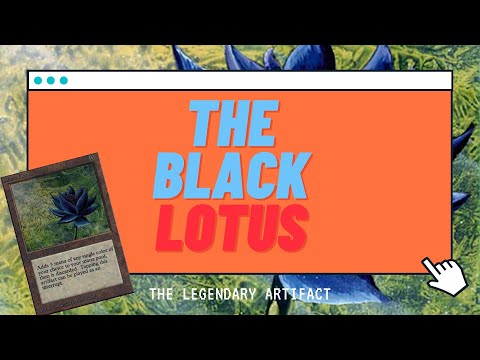
Does “black lotus” have any relation to the Magic: The Gathering card of the same name? While the term shares a name, there is no direct relationship. The card is powerful and valuable in the game, but does not share any narrative qualities with the slang term.
-
Can a character be both a “white lotus” and a “black lotus”? It’s less likely for one single character to genuinely embody both. While a character might initially seem like a white lotus only to reveal their true black lotus nature, they would not exist in both roles at the same time. The terms are mutually exclusive.
Conclusion: The Allure of the Deceptive Black Lotus
The black lotus in slang represents a fascinating archetype – a character who thrives on deception, cloaking their malevolent intentions beneath a veil of innocence. This contrast with the rich, positive symbolic meaning of the lotus flower highlights the compelling irony and intrigue surrounding the figure of the black lotus. Understanding this slang term provides valuable insight into modern online discourse, the complexities of character archetypes, and the ongoing fascination with the darker aspects of human nature. Whether it is in fiction or observed in real life, recognizing the black lotus and their manipulative techniques helps equip readers with greater critical awareness.