The Disturbing Faith of the Grand Inquisitor: A Deep Dive
Fast answer first. Then use the tabs or video for more detail.
- Watch the video explanation below for a faster overview.
- Game mechanics may change with updates or patches.
- Use this block to get the short answer without scrolling the whole page.
- Read the FAQ section if the article has one.
- Use the table of contents to jump straight to the detailed section you need.
- Watch the video first, then skim the article for specifics.
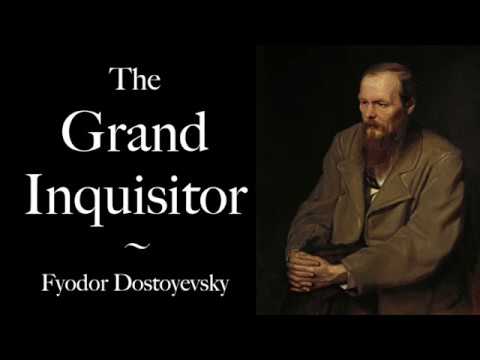
The Grand Inquisitor, a pivotal figure in Fyodor Dostoevsky’s The Brothers Karamazov, believes that Christ’s ideals of freedom and individual conscience are an impossible burden for the vast majority of humanity. He argues that humans are fundamentally weak and crave security, authority, and easily digestible answers, things that Christ’s teachings actively deny them. Therefore, the Inquisitor believes, the Church, in its deviation from Christ’s original message, offers a more merciful and effective path to happiness, even if it necessitates control, manipulation, and ultimately, the suppression of individual freedom. He fundamentally believes in a paternalistic approach to faith, where a select few elite guide and, if necessary, deceive the masses for their own good.
The Core Tenets of the Inquisitor’s Belief System
The Failure of Freedom
The Grand Inquisitor sees freedom as a curse, not a blessing. He argues that most people are incapable of handling the responsibility of free will and the difficult moral choices it entails. Christ, in offering this freedom, condemned humanity to a life of suffering and uncertainty. The Inquisitor believes that people yearn for someone to alleviate the burden of choice, someone to provide them with certainty and security.
The Allure of Miracle, Mystery, and Authority
These are the “three powers” the Inquisitor believes Christ rejected in the desert, and the ones that are crucial for controlling and satisfying humanity. Miracle provides wonder and awe, mystery captivates the imagination and discourages critical thinking, and authority offers unwavering direction and obedience. The Inquisitor’s Church uses these tools to maintain order and ensure the flock remains obedient and content.
Bread and the Fulfillment of Basic Needs
The Inquisitor argues that people are primarily concerned with basic needs such as food and security. He believes that people will readily trade their freedom for these necessities. By providing bread (both literally and figuratively – meeting basic needs), the Church ensures the loyalty and submission of its followers. The Inquisitor believes that Christ undervalued the importance of basic survival in his teachings.
The Elite Paternalism
The Inquisitor does not necessarily believe in the righteousness of his actions. He operates from a position of paternalistic elitism, believing that a select few, like himself and his cohort, are capable of understanding the truth and making difficult decisions for the good of the masses. This elite understands that the “truth” is too complex and potentially destabilizing for the average person to handle.
The Justification of Deception
The Inquisitor considers deception a necessary tool in achieving the greater good. He understands that his version of Christianity deviates significantly from Christ’s original message, but he justifies this deviation by arguing that it ultimately leads to a happier and more stable society. He essentially believes that the ends justify the means, even if those means involve lying and manipulation.
The Tragic Choice: Happiness vs. Truth
Ultimately, the Grand Inquisitor’s philosophy boils down to a tragic choice between happiness and truth. He believes that the truth is too harsh and demanding for the average person, and that true happiness can only be achieved through a degree of illusion and control. He consciously chooses to sacrifice truth for the sake of human contentment, even if it means betraying the spirit of Christ’s teachings. This stark choice is at the heart of the Inquisitor’s dark vision and makes him one of the most compelling and unsettling characters in literature. The themes present in The Brothers Karamazov and Dostoevsky’s other works can be explored further through interactive narratives and game-based learning, as championed by organizations like the Games Learning Society, found at https://www.gameslearningsociety.org/.
Frequently Asked Questions (FAQs)
1. Why does the Grand Inquisitor arrest Jesus?
The Grand Inquisitor arrests Jesus because he sees him as a threat to the established order. Christ’s presence challenges the Church’s authority and exposes the inherent contradictions in its teachings. The Inquisitor views Christ’s return as destabilizing and disruptive to his carefully constructed system of control.
2. Does the Grand Inquisitor believe in God?
It is difficult to say definitively whether the Inquisitor believes in God in a traditional sense. He acknowledges Christ but rejects his teachings, suggesting a belief in a divine figure but a profound distrust in the methods and outcomes of divine intervention. His actions imply a belief in a higher power, but also a belief that humans must actively manage and, if necessary, subvert that power for the benefit of mankind.
3. What are the three temptations that the Grand Inquisitor refers to?
The three temptations refer to the biblical account of Satan tempting Christ in the desert. These temptations are: turning stones into bread (addressing material needs), casting himself down from the temple (seeking miracle and authority), and worshipping Satan for earthly power (choosing worldly dominion). The Inquisitor believes that Christ erred in rejecting these temptations, as they provide the necessary tools for controlling and satisfying humanity.
4. How does the Grand Inquisitor justify his actions?
He justifies his actions by arguing that he is acting in the best interests of humanity. He believes that people are too weak to handle the freedom that Christ offered and that they need guidance and control to achieve happiness and stability. He sees himself as a savior, albeit a twisted one, protecting people from the unbearable burden of free will.
5. What is the Inquisitor’s view on the Church?
The Inquisitor views the Church as a necessary institution that has evolved to meet the practical needs of humanity. He believes that the Church has wisely adapted Christ’s teachings to create a system of order, control, and happiness. He sees the Church as a paternalistic guardian, shielding humanity from the harsh realities of freedom and uncertainty.
6. How does the Inquisitor view the average person?
The Inquisitor views the average person as weak, dependent, and easily manipulated. He believes that most people are incapable of independent thought and moral reasoning and that they crave security and certainty above all else.
7. What does the Inquisitor mean by “bread”?
“Bread” symbolizes basic needs and material security. The Inquisitor believes that people will readily trade their freedom for these necessities. By providing “bread,” the Church ensures the loyalty and submission of its followers.
8. What is the significance of the Inquisitor’s age?
The Inquisitor’s advanced age symbolizes his experience, wisdom, and disillusionment. He has seen the world and its complexities and has concluded that Christ’s ideals are impractical and unattainable. His age represents a long-standing commitment to his beliefs and a deep-seated skepticism towards idealistic notions.
9. Why doesn’t Jesus respond to the Inquisitor’s arguments?
Jesus remains silent throughout the Inquisitor’s monologue. This silence can be interpreted in several ways: as an acceptance of the Inquisitor’s critique, as a refusal to engage in a futile debate, or as a powerful statement in itself. The silence allows the reader to grapple with the Inquisitor’s arguments without direct rebuttal, forcing them to consider the validity of his claims.
10. What is the Inquisitor’s ultimate goal?
The Inquisitor’s ultimate goal is to create a stable, ordered, and happy society, even if it means sacrificing individual freedom and adhering to the “truth.” He seeks to alleviate human suffering by providing security, certainty, and a sense of belonging, regardless of the cost to personal autonomy.
11. How does Dostoevsky portray the Grand Inquisitor?
Dostoevsky portrays the Grand Inquisitor as a complex and ambiguous figure. He is not simply a villain but a deeply intelligent and thoughtful individual with a compelling rationale for his actions. This portrayal challenges the reader to confront uncomfortable truths about human nature and the nature of power.
12. Is the Grand Inquisitor a purely evil character?
While the Inquisitor’s methods are undoubtedly questionable, he is not portrayed as purely evil. He believes he is acting in the best interests of humanity, even if his actions involve manipulation and control. His motivations are rooted in a desire to alleviate suffering, which complicates any simple judgment of his character.
13. What is the lasting impact of “The Grand Inquisitor” story?
“The Grand Inquisitor” is a powerful and enduring exploration of fundamental questions about freedom, faith, and the nature of humanity. It continues to resonate with readers today because it confronts us with the difficult choices and trade-offs that societies and individuals face in their pursuit of happiness and order.
14. What is the main conflict in “The Grand Inquisitor”?
The main conflict is between individual freedom and societal control. The Grand Inquisitor argues that humans are too weak to handle freedom and that they need the guidance of a strong authority to ensure their happiness. This directly contradicts Christ’s teachings which focus on the importance of choice and independent thought.
15. What is the significance of the Inquisitor kissing Jesus at the end?
The Inquisitor kissing Jesus at the end is a deeply ambiguous gesture. It could represent a moment of remorse, a subtle act of defiance, or a complex mixture of both. The kiss leaves the reader with a lingering sense of unease and underscores the profound moral ambiguities at the heart of the story.