The Enduring Symbolism of Pac-Man: More Than Just a Yellow Circle
Fast answer first. Then use the tabs or video for more detail.
- Watch the video explanation below for a faster overview.
- Game mechanics may change with updates or patches.
- Use this block to get the short answer without scrolling the whole page.
- Read the FAQ section if the article has one.
- Use the table of contents to jump straight to the detailed section you need.
- Watch the video first, then skim the article for specifics.
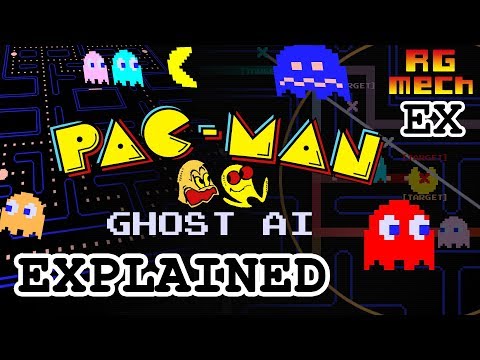
The Pac-Man symbol, a simple yet iconic yellow circle with a wedge-shaped mouth, is far more than just a retro video game character. Its meaning extends beyond the game, encapsulating themes of consumption, pursuit, and even deeper psychological metaphors. On the surface, Pac-Man represents a voracious being driven by a primal urge to devour. The constantly open mouth symbolizes this insatiable hunger. Yet, the simplicity of the symbol allows it to be interpreted in various ways, leading to a rich tapestry of meaning that has resonated with generations. Pac-Man has become a cultural touchstone, a recognizable image that triggers both nostalgia and a surprising depth of contemplation. From its playful origins to its perceived psychological undertones, the Pac-Man symbol embodies the essence of both simple entertainment and complex symbolism.
The Origins of the Pac-Man Icon
A Slice of Inspiration: The Pizza Story
The most commonly cited origin of Pac-Man’s design is the story of Toru Iwatani, the game’s creator, who drew inspiration from a pizza with a slice removed. This simple act, looking at the remaining pizza, created the quintessential Pac-Man shape: a circle with a “mouth” opening. This immediate, almost accidental genesis adds to the iconic simplicity of the character.
Beyond Pizza: The Japanese “Kuchi”
Beyond the pizza narrative, Iwatani also acknowledged inspiration from the Japanese character “kuchi” (口), meaning “mouth.” This symbol, a simple square with an opening, provided another foundation for Pac-Man’s design. By rounding off the square, Iwatani created the familiar circle that perfectly embodies the idea of consumption. This duality of inspiration, from both the mundane pizza and symbolic Japanese script, highlights the multifaceted creation of the Pac-Man icon.
Designing for Appeal: Cutie and Color
The yellow hue and the overtly cute design were intentional moves to make the game appealing to a broader audience, specifically younger players and women, who were often overlooked in early video game design. The simplicity of the character’s design, while visually striking, was also a conscious decision to create a symbol that would be universally understood and recognized.
Deeper Meanings: More Than Meets the Eye
Pac-Man as a Metaphor for Life
Many interpretations elevate the Pac-Man symbol beyond its playful surface. One popular theory views Pac-Man as a metaphor for the human experience. The endless maze, the constant pursuit of dots, and the ever-present threat of ghosts represent the daily struggles and challenges of life. The continuous cycle of consumption and escape is seen as symbolic of our own striving to achieve our goals while avoiding life’s inevitable obstacles.
Mental Illness and Labyrinthine Minds
A more nuanced interpretation, fueled by a Reddit theory, sees the maze as a representation of the human mind, particularly in the context of mental illness. The repetitive nature of the gameplay, the constant anxiety of being chased, and the feeling of being trapped within the same environment can be seen as metaphors for the internal battles fought by those with mental health challenges. This interpretation adds a layer of dark complexity to what appears, on the surface, to be a lighthearted game.
A Commentary on Consumerism
Another lens through which to view the Pac-Man symbol is as a commentary on consumerism. Pac-Man’s insatiable appetite for dots can be seen as a reflection of the relentless drive to acquire and consume, a critique of the endless cycle of modern life. The larger “power pellets,” which allow Pac-Man to briefly reverse roles with the ghosts, can be interpreted as a fleeting sense of control within this consumerist system.
Pac-Man and the Pharmaceutical Industry
The consumption of power pellets which allow Pac-Man to defeat the ghosts have also been interpreted as a metaphor for pharmaceutical companies. The reliance on “power-ups,” like medication to manage symptoms, is a common theme that has been observed. While this is a dark interpretation it serves as an example of how the symbol is not one dimensional and can be interpreted in various different ways.
The Enduring Legacy of Pac-Man
A Pioneer in Character Design
Pac-Man is considered one of the first video game characters to demonstrate the potential of characters in the medium. Its simple but engaging design laid the foundation for later iconic characters. It was also gaming’s first broad licensing success, with Pac-Man images and merchandise appearing on everything from t-shirts to lunchboxes. This illustrates how powerful the symbol had become, a testament to its immediate recognition.
Breaking Gender Barriers in Gaming
The game’s appeal to female audiences was a landmark achievement. The cute, colorful design and engaging gameplay made Pac-Man appealing to demographics that were often overlooked in the predominantly male-dominated gaming world of the 1980s. This helped to break down gender barriers in the gaming industry, paving the way for more inclusive and diverse games in the future.
Frequently Asked Questions (FAQs)
1. What does “paku paku” mean?
In Japanese slang, “paku paku” describes the snapping of a mouth open and shut, which is why the game was initially named “Puckman,” before being renamed to “Pac-Man” for western audiences.
2. Why is Pac-Man yellow?
The yellow color of Pac-Man was reportedly inspired by the yellow color of LEGO bricks. This bright, cheerful color was chosen to appeal to younger audiences.
3. Why did Pac-Man’s original name change?
The original Japanese name, “Puckman,” was changed to “Pac-Man” in the West because of concerns that arcade operators would alter the letter “P” to resemble an explicit four-letter English word.
4. What are the names of the ghosts?
The four ghosts are Blinky (red), Pinky (pink), Inky (cyan), and Clyde (orange). They each have different movement patterns, requiring players to develop different strategies.
5. What do the dots and power pellets symbolize?
The dots represent the items of consumption, while the larger power pellets represent temporary power-ups.
6. Is Pac-Man considered a hero or villain?
While he consumes everything in sight, Pac-Man is typically portrayed as a hero, particularly in spin-off series like “Pac-Man and the Ghostly Adventures,” where he protects Pac-World from evil.
7. Does Pac-Man speak a language?
Yes, Pac-Man speaks Wakanese, a fictional language where “waka,” “waki,” “wiki,” and “wika” direct movement.
8. What drug is Pac-Man sometimes associated with?
The name “Pacman” is slang for MDMA (methylenedioxymethamphetamine), a synthetic drug also known as Ecstasy or Molly.
9. Was Ms. Pac-Man successful?
Ms. Pac-Man was acclaimed by critics for its improvements to the original gameplay and for having a female protagonist. Some consider it superior to the original game.
10. Has anyone ever achieved a perfect score in Pac-Man?
Yes, Billy Mitchell was the first person to claim a perfect score of 3,333,360 points on the arcade game Pac-Man.
11. What is the “Black Mirror” connection with Pac-Man?
In an episode of “Black Mirror,” the character Colin Ritman suggests that “Pac” stands for “program and control,” adding another layer of interpretation, linking the character to themes of control and predetermination.
12. What brand is associated with the Pac-Man logo?
The Pac-Man franchise is developed, published, and owned by Bandai Namco Entertainment.
13. What were the original food items in Pac-Man?
Pac-Man’s original snacks were cookies, not pellets. The larger power pellets were the ones that allowed him to eat the ghosts.
14. Are the ghosts in Pac-Man considered evil?
In the Pac-Man world, the ghosts are typically the main antagonists, constantly pursuing Pac-Man and trying to stop him.
15. Was Pac-Man ever banned?
Early arcade games were the subject of much debate, with proponents of bans claiming they caused social problems, including violence. Business owners pushed back, fighting back in court.