Understanding Weapon Scaling: A Comprehensive Guide
Fast answer first. Then use the tabs or video for more detail.
- Watch the video explanation below for a faster overview.
- Game mechanics may change with updates or patches.
- Use this block to get the short answer without scrolling the whole page.
- Read the FAQ section if the article has one.
- Use the table of contents to jump straight to the detailed section you need.
- Watch the video first, then skim the article for specifics.
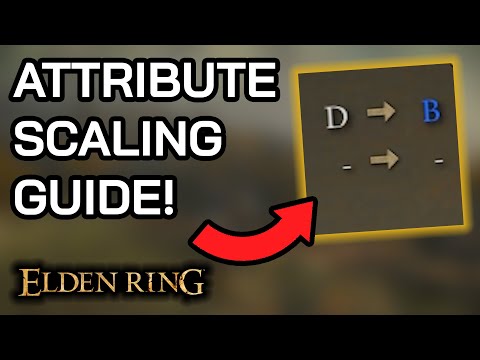
Weapon scaling is a core mechanic in many role-playing games (RPGs), action RPGs (ARPGs), and soulslike games. In essence, it dictates how much bonus damage a weapon gains based on specific character attributes or stats. Think of it as the bridge between your character’s hard-earned stats and the effectiveness of your chosen weapon. The better a weapon scales with a particular stat, the more damage it will deal as you invest points into that stat. This system adds a layer of depth to character building, forcing players to make strategic decisions about stat allocation and weapon selection to optimize their combat prowess.
Diving Deeper into Weapon Scaling Mechanics
Weapon scaling isn’t a simple on/off switch; it’s a graduated system often represented by letter grades (e.g., S, A, B, C, D, E) or numerical values. These grades or values indicate the efficiency of the scaling. A weapon with an “S” scaling in Strength, for example, will receive a much larger damage boost per point of Strength than a weapon with a “D” scaling in the same attribute.
Here’s a breakdown of key components:
- Base Damage: Every weapon has a base damage value. This is the damage the weapon deals before any scaling bonuses are applied.
- Scaling Attribute(s): Most weapons scale with one or more character attributes, such as Strength, Dexterity, Intelligence, Faith, or Arcane.
- Scaling Grade/Value: As mentioned, this indicates how effectively the weapon scales with its designated attributes. Higher grades (S, A) mean better scaling.
- Bonus Damage: The additional damage a weapon gains based on your character’s attributes and the weapon’s scaling properties. This is usually displayed on the weapon’s stat screen as a “+” number added to the base damage.
Scaling Across Different Games
While the core concept remains the same, the implementation of weapon scaling varies across different games.
- Elden Ring & Dark Souls: These games are prime examples of attribute-based scaling with letter grades. Upgrading weapons also improves their scaling grades, making them even more powerful as you progress.
- Deepwoken: In Deepwoken, weapon scaling is tied to a specific “Weapon Stat.” Players can increase this stat to boost weapon damage, with opportunities to uncap it later in the game.
- New World: New World uses a percentage-based system where weapons scale with either one or two attributes. Two-attribute weapons have a primary and a secondary scaling value.
- General RPGs: Some RPGs use a more direct numerical scaling system, where each point in a relevant attribute provides a specific bonus to the weapon’s damage.
Strategic Considerations
Understanding weapon scaling is vital for creating effective character builds. Here are some strategic considerations:
- Matching Weapons to Builds: Choose weapons that scale well with your character’s primary attributes. A Strength-based character should prioritize weapons with high Strength scaling, while a Dexterity-based character should focus on weapons with high Dexterity scaling.
- Hybrid Builds: Some weapons scale with multiple attributes, allowing for hybrid builds that combine different playstyles.
- Infusion/Modification: Many games allow you to infuse or modify weapons to change their scaling properties. For example, in Elden Ring, infusing a weapon with Fire can shift its scaling to Strength and Faith.
- Weapon Upgrades: Don’t neglect weapon upgrades! Upgrading a weapon not only increases its base damage but also improves its scaling grades, making it even more potent.
- Diminishing Returns: Be aware of diminishing returns. In some games, the benefit of each additional point in an attribute decreases as you invest more points.
Frequently Asked Questions (FAQs) about Weapon Scaling
What does weapon scaling actually do?
Weapon scaling determines how much extra damage your weapon deals based on your character’s attributes. A weapon with good scaling in Strength will deal more damage as you invest points into Strength.
How do I know what a weapon scales with?
Check the weapon’s description or stats screen. It will list the attributes it scales with and the corresponding scaling grades (e.g., Strength (C), Dexterity (B)).
What’s the difference between scaling grades (S, A, B, C, D, E)?
These grades indicate the efficiency of the scaling. “S” is the best, meaning the weapon gains the most damage per point in that attribute, while “E” is the worst.
Does upgrading my weapon improve its scaling?
Yes! Upgrading weapons typically increases both their base damage and their scaling values, making them even more effective as you level up.
What happens if a weapon doesn’t scale with any attributes?
Such weapons typically rely solely on their base damage and are often most effective in the early game or for specific builds that don’t focus on attribute scaling.
Can I change the scaling of a weapon?
In some games, you can use infusions, modifications, or enchantments to alter a weapon’s scaling properties. For instance, infusing a weapon with Fire might change its scaling to favor Strength and Faith.
What’s better: high base damage or good scaling?
It depends on your build. High base damage is good early on, but good scaling becomes more important as you level up your attributes. In the long run, a weapon with excellent scaling will usually outdamage one with just high base damage.
What does the “+” number on a weapon’s stat screen mean?
The “+” number represents the bonus damage your weapon is gaining from your character’s attributes, based on the weapon’s scaling.
How does weapon scaling work in a game like Elden Ring?
In Elden Ring, weapons scale primarily with Strength, Dexterity, Intelligence, Faith, and Arcane. The scaling is represented by letter grades (S to E), and upgrading weapons improves both their base damage and their scaling values.
How does two-handing a weapon affect scaling?
In some games, two-handing a weapon can temporarily increase your Strength stat, which can boost the bonus damage you gain from Strength scaling.
Is it worth using a weapon with multiple scaling attributes?
Yes, especially if you’re creating a hybrid build that invests in multiple attributes. However, remember that the scaling for each attribute might be lower than a weapon that focuses on a single stat.
How does weapon scaling relate to weapon level requirements?
Weapons with higher level requirements often have better base damage and scaling potential, but they also require a higher investment in the relevant attributes.
Where can I learn more about game design and mechanics like weapon scaling?
Organizations like the Games Learning Society (GamesLearningSociety.org) offer resources and communities focused on understanding and advancing game-based learning and design principles. The study of game mechanics has been a rising interest for people in the academia from around the world.
Does weapon scaling apply to spells?
Yes, spells often have scaling that depends on attributes like Intelligence, Faith, or Arcane. The higher your relevant attribute, the more powerful your spells will be.
Is weapon scaling the same in every game?
No, while the basic concept remains consistent, the specific implementation, scaling values, and available attributes can vary significantly from game to game. Understanding the specific scaling system of the game you’re playing is crucial for optimal character building.
By understanding weapon scaling, you can unlock the full potential of your character and dominate the game!