What Does White Mean in Magic: The Gathering?
Fast answer first. Then use the tabs or video for more detail.
- Watch the video explanation below for a faster overview.
- Game mechanics may change with updates or patches.
- Use this block to get the short answer without scrolling the whole page.
- Read the FAQ section if the article has one.
- Use the table of contents to jump straight to the detailed section you need.
- Watch the video first, then skim the article for specifics.
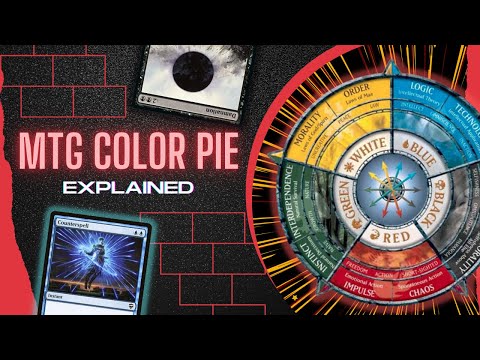
In Magic: The Gathering, White embodies peace, law, structure, selflessness, and equality. These abstract concepts translate into specific mechanics and strategies within the game, making White a powerful but often misunderstood color. Fundamentally, White is a defensive color, focused on protecting itself and its allies, while enforcing order and fairness on the battlefield. This manifests through a suite of abilities centered around life gain, healing, damage prevention, and the establishment of rigid rules. White’s strength lies in its ability to stall the game, control the pace, and ultimately win through efficient, disciplined plays. While often described as the weakest color in card draw, the other qualities give it a specific and essential place in the metagame. It’s a color that strives for victory not through raw power or aggression, but through measured control and the application of absolute justice.
White’s Defensive Core
Life Gain and Healing
One of the hallmarks of White is its ability to gain life. This can be directed towards the player to increase their survivability, or towards a creature, effectively acting as healing. This life gain isn’t just about padding life totals; it’s about creating resilience and buying time to execute a more complex strategy. Cards like Healing Salve, Heart of Light, and Healing Hands are prime examples of this life-gain focused playstyle. The life gain mechanic can make the user harder to eliminate and provide a distinct advantage in long drawn-out matches.
Damage Prevention
Beyond simple life gain, White excels at preventing damage. This can range from nullifying small amounts of damage to negating entire attacks, allowing white players to control board states and render aggressive strategies ineffective. This mechanic provides excellent stability to the user when combined with life gain.
Imposing Order and Structure
White is not just about personal defense; it’s about imposing order on the game. This is achieved through effects that regulate the actions of all players. White has access to abilities that tax certain actions, restrict what opponents can do, or enforce rules that benefit the White player disproportionately. This strategy aims to create an environment where the White player’s meticulous planning and discipline will always prevail. These kinds of rules make it difficult for other players to play, which in itself is a powerful weapon in a match.
White’s Strengths and Weaknesses
Strengths
- Strong Defensive Capabilities: White is exceptional at stalling the game through life gain, damage prevention, and creature control.
- Excellent Creature Removal: White has access to highly efficient removal spells that can eliminate opposing threats.
- Ability to Regulate the Game: White can control the flow of the game by imposing rules and restrictions that benefit them.
- Efficient Aggro: In some formats, white has access to aggressive creatures that can pressure opponents effectively.
Weaknesses
- Poor Card Draw: White struggles significantly with drawing additional cards, which often limits its ability to maintain momentum in longer matches.
- Lack of Ramp: White generally lacks effective ways to accelerate mana production.
- Vulnerable to Combo Decks: White’s defensive tactics can be circumvented by strategies that circumvent traditional combat, like powerful combo strategies.
- Can be Reactive: White is strongest when reacting to an opponent’s plans, as opposed to dictating the game pace. This can be a disadvantage when White is on the defensive from the very beginning.
White in Combination
While strong on its own, white finds synergy with other colors creating unique and powerful strategies.
- Red/White (Boros): Boros is an aggressive combination focusing on fast creatures and direct damage. This is an aggressive fast-paced strategy compared to regular white.
- Green/White (Selesnya): Selesnya uses the powerful mix of efficient creatures and token strategies to overwhelm opponents.
- Blue/White (Azorius): This combination plays a more control-oriented game, combining white’s defensive capabilities with blue’s card manipulation.
- Black/White (Orzhov): A combination that focuses on control, life manipulation, and a methodical strategy.
Frequently Asked Questions (FAQs)
1. What is the central goal of white in Magic?
White seeks to achieve peace through the establishment of order and structure. It aims to create a harmonious game state where its disciplined approach ultimately leads to victory.
2. How does White represent selflessness?
White is associated with selflessness as it often involves actions that protect and benefit others. This is seen through its healing and damage prevention spells that can protect allies.
3. What are some common titles for white magic practitioners?
Historically, practitioners of white magic have been called wise men/women, healers, white witches, or wizards.
4. Why is white considered a defensive color?
White’s mechanics focus on life gain, healing, damage prevention, and imposing restrictions. All of these aspects make it a defensive color by design.
5. What is the best way to play white?
The best way to play white is through a measured and disciplined approach, utilizing its defensive capabilities to control the board and slowly gain advantage.
6. What are examples of white’s creature removal?
White has access to efficient removal spells like Path to Exile, Swords to Plowshares, and Wrath of God that are effective at eliminating threats on the battlefield.
7. Why is white often considered the weakest color in card draw?
White has very few card draw mechanics, unlike other colors which have it as one of their core abilities, making it weaker in prolonged games.
8. What is the relationship between white and law in Magic?
White’s mechanics often revolve around the enforcement of rules and restrictions, reflecting its association with law and order.
9. How does White achieve equality in Magic?
White aims for equality by enforcing rules and restrictions that affect all players, creating a level playing field—at least, one designed to favor White.
10. What is the significance of structure in white’s gameplay?
The emphasis on structure means white often uses tactics that are predictable and efficient. These tactics require preparation and create order on the board.
11. Can white be aggressive?
Yes, in certain formats white has aggressive creatures capable of quickly pressuring opponents. However, its strength still lies more in defensive plays.
12. What is the main contrast between white and black?
White emphasizes order, structure, and selflessness. Black focuses on power, self-interest, and opportunity, making them opposing forces.
13. Why is white not usually the strongest color in Magic?
White lacks robust card draw and ramp, making it weaker than other colors in terms of sustained power, especially in the mid to late-game.
14. What is the best format for playing white?
White can perform well in standard/modern where efficient creatures and removal are highly valued. It is weaker in commander due to the lack of mana acceleration and card draw.
15. How can a white player overcome its card draw weakness?
White players can mitigate the card draw weakness by utilizing other colors that provide card draw or by focusing on efficient mana usage and board control.