The Great Controller Debate: Unpacking the Effects of Video Games on Child Development
Fast answer first. Then use the tabs or video for more detail.
- Watch the video explanation below for a faster overview.
- Game mechanics may change with updates or patches.
- Use this block to get the short answer without scrolling the whole page.
- Read the FAQ section if the article has one.
- Use the table of contents to jump straight to the detailed section you need.
- Watch the video first, then skim the article for specifics.
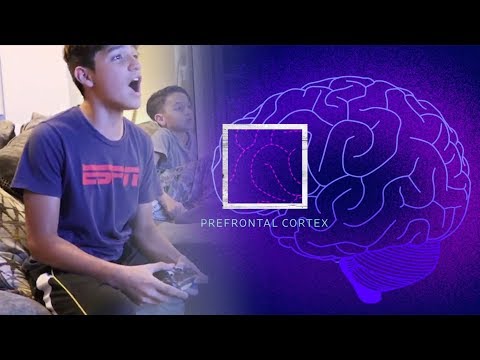
Video games: a vibrant, interactive world captivating the attention of children worldwide. But are they a harmless pastime, a developmental boon, or a potential pitfall? The truth, as with most things in life, is complex and nuanced. Research paints a picture far removed from simple good vs. evil narratives, revealing a spectrum of effects dependent on factors like game content, play duration, age, and individual predispositions. Studies on children playing video games found that while some games offer potential benefits to cognitive function, problem-solving skills, and even social interaction, excessive play or exposure to violent content can negatively impact mental health, behavior, and physical well-being. It’s about understanding the how, what, and why behind the flickering screen.
The Dual Nature of Digital Play: Benefits and Drawbacks
The impact of video games on child development isn’t a one-way street. Consider it a powerful tool: in the right hands, it can sculpt cognitive abilities and foster creativity; in the wrong hands, it can contribute to negative outcomes.
The Upside: Cognitive Enhancement and Skill Development
Numerous studies highlight the positive cognitive effects of video games. These aren’t just about mindless button-mashing; many games require strategic thinking, problem-solving, and rapid decision-making, giving the brain a vigorous workout.
- Improved Attention and Memory: Research, including functional MRI analyses, suggests that playing video games for a reasonable amount of time can enhance activity in brain regions associated with attention and memory. Players often need to focus intently, remember patterns, and adapt to changing circumstances, all of which exercise these crucial cognitive functions.
- Enhanced Spatial Reasoning and Hand-Eye Coordination: First-person shooters and strategy games can significantly improve spatial reasoning skills, as players navigate virtual environments and plan tactical maneuvers. The precise movements required in many games also hone hand-eye coordination and fine motor skills.
- Problem-Solving and Logic: Many games, particularly puzzle games and role-playing games (RPGs), challenge players to solve complex problems, think logically, and develop creative solutions. This can translate into improved real-world problem-solving abilities.
- Potential Educational Benefits: Some games are specifically designed for educational purposes, making learning engaging and interactive. These games can cover a wide range of subjects, from math and science to history and language.
- Boosting Creativity: Some games, like Minecraft, allow players to build anything that they can imagine. This provides an amazing creative outlet.
- The Games Learning Society contributes significantly to this understanding by exploring how games can be designed and used to foster learning and development. For more information, visit https://www.gameslearningsociety.org/.
The Downside: Risks and Potential Problems
While the potential benefits are undeniable, it’s equally important to acknowledge the risks associated with excessive or inappropriate video game use.
- Time Displacement and Social Isolation: Spending excessive time gaming can lead to less time spent socializing with friends and family, participating in other hobbies, or engaging in physical activity. This can contribute to social isolation and poor social skills.
- Mental Health Concerns: Some studies have linked excessive video game playing to increased rates of depression, anxiety, and attention problems, particularly in children who are already vulnerable to these issues.
- Aggression and Violent Content: Exposure to violent video games has been a long-standing concern. Research suggests that it can lead to desensitization to violence, increased aggressive thoughts and behaviors, and a reduced capacity for empathy, especially in younger children.
- Physical Health Issues: Prolonged gaming sessions can lead to eye strain, headaches, carpal tunnel syndrome, and other physical problems. In rare cases, it can even trigger seizures in susceptible individuals.
- Sleep Disturbances: Playing video games close to bedtime can interfere with sleep patterns, leading to insomnia and daytime fatigue.
Finding the Balance: Moderation and Mindful Choices
The key to maximizing the benefits and minimizing the risks lies in moderation, parental involvement, and mindful game choices.
- Set Time Limits: Establish clear and reasonable time limits for video game play, ensuring that it doesn’t interfere with schoolwork, social activities, and other important aspects of a child’s life. The American Academy of Pediatrics recommends no more than one to two hours of screen time per day for children over the age of 6.
- Choose Age-Appropriate Games: Pay close attention to game ratings and content, selecting games that are appropriate for your child’s age and maturity level. Avoid games with excessive violence, graphic content, or themes that may be disturbing or upsetting.
- Encourage Physical Activity and Social Interaction: Promote a balanced lifestyle that includes plenty of physical activity, outdoor play, and face-to-face social interaction.
- Engage with Your Child’s Gaming: Take an active interest in the games your child is playing, asking them about their experiences and discussing the content. This can help you understand their motivations and identify any potential concerns.
- Create a Family Media Plan: Develop a family media plan that outlines rules and guidelines for screen time, content choices, and online safety.
- Monitor for Warning Signs: Be vigilant for signs of excessive gaming, such as neglecting schoolwork, withdrawing from social activities, or exhibiting changes in mood or behavior. If you have concerns, seek professional help.
Frequently Asked Questions (FAQs)
1. Are all video games bad for kids?
No, not all video games are bad for kids. Many games offer cognitive benefits, enhance problem-solving skills, and even promote social interaction. It’s crucial to choose age-appropriate content and monitor playtime.
2. Can video games really improve cognitive skills?
Yes, research suggests that certain video games can improve cognitive skills such as attention, memory, spatial reasoning, and problem-solving.
3. How much time should my child spend playing video games?
The American Academy of Pediatrics recommends no more than one to two hours of screen time per day for children over the age of 6, including video games.
4. What are the warning signs of excessive gaming?
Warning signs include neglecting schoolwork, withdrawing from social activities, changes in mood or behavior, and preoccupation with gaming.
5. Do violent video games cause aggression in children?
Exposure to violent video games has been linked to increased aggressive thoughts and behaviors in some children, especially younger ones.
6. What can I do to prevent my child from becoming addicted to video games?
Set time limits, choose age-appropriate games, encourage physical activity and social interaction, and engage with your child’s gaming.
7. Are there any educational video games that I can recommend to my child?
Yes, there are many educational video games available that can make learning fun and engaging. Research games related to your child’s academic interests.
8. How can I talk to my child about the potential risks of video games?
Have an open and honest conversation with your child about the potential risks of video games, emphasizing the importance of moderation and responsible choices.
9. What is the role of parental involvement in my child’s gaming habits?
Parental involvement is crucial in shaping your child’s gaming habits, from setting time limits to choosing appropriate games to monitoring their behavior.
10. Are video games more harmful to younger children than older children?
Younger children may be more vulnerable to the negative effects of violent content and excessive screen time due to their developing brains.
11. Can video games affect my child’s sleep patterns?
Yes, playing video games close to bedtime can interfere with sleep patterns and lead to insomnia.
12. Do video games have any benefits for children with disabilities?
Some video games can be beneficial for children with disabilities, improving motor skills, cognitive function, and social interaction.
13. How can I find age-appropriate video games for my child?
Pay attention to game ratings and content descriptions, and read reviews from other parents and experts.
14. What is a family media plan, and how can it help?
A family media plan outlines rules and guidelines for screen time, content choices, and online safety, promoting healthy media habits for the whole family.
15. Where can I find more information about the effects of video games on child development?
You can find more information from reputable sources such as the American Academy of Pediatrics, the American Psychological Association, and organizations like GamesLearningSociety.org.
In conclusion, the effect of video games on child development is a complex and multifaceted issue. By understanding the potential benefits and risks, setting appropriate boundaries, and making informed choices, parents can help their children navigate the digital world in a healthy and productive way.