Decoding the Force: The Game Engine Behind Star Wars Jedi Knight: Jedi Academy
Fast answer first. Then use the tabs or video for more detail.
- Watch the video explanation below for a faster overview.
- Game mechanics may change with updates or patches.
- Use this block to get the short answer without scrolling the whole page.
- Read the FAQ section if the article has one.
- Use the table of contents to jump straight to the detailed section you need.
- Watch the video first, then skim the article for specifics.
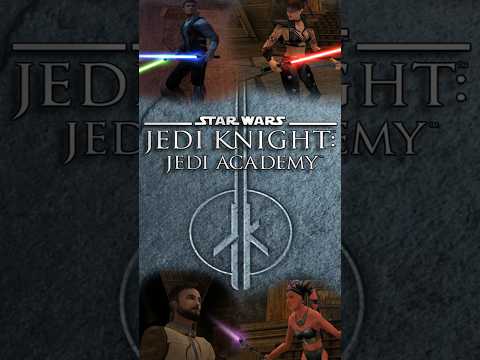
The answer to “What engine does Jedi Academy use?” is that Star Wars Jedi Knight: Jedi Academy utilizes a heavily modified version of the id Tech 3 engine. This engine, originally developed by id Software for Quake III: Arena, was significantly enhanced and adapted by Raven Software to create the distinctive gameplay experience found in Jedi Academy. Think of it as taking a powerful sports car engine and fine-tuning it to handle the unique demands of intergalactic lightsaber duels and Force powers. This engine choice provided the foundation for impressive graphics, physics, and multiplayer capabilities for its time.
Under the Hood: Exploring the id Tech 3 Engine in Jedi Academy
Origins and Evolution
The id Tech 3 engine was a groundbreaking piece of technology when it debuted in Quake III: Arena in 1999. It was lauded for its modular design, allowing developers to easily modify and extend its functionality. This adaptability made it a popular choice for other game developers, including Raven Software, who leveraged it for both Star Wars Jedi Knight II: Jedi Outcast and Jedi Academy.
Modifications and Enhancements
Raven Software didn’t just use id Tech 3 out of the box. They implemented substantial modifications to tailor it to the Star Wars universe and the specific gameplay mechanics they envisioned. These modifications included:
- Improved Character Models and Animations: Significantly enhancing the visual fidelity of character models, lightsaber animations, and Force power effects.
- Expanded Physics System: Allowing for more realistic lightsaber combat, including deflections, dismemberment, and the interaction of objects with Force powers.
- Advanced Lighting and Shading: Creating a more immersive and atmospheric environment, crucial for capturing the feel of the Star Wars universe.
- Multiplayer Enhancements: Optimizing the engine for robust multiplayer gameplay, supporting various game modes and a large number of players.
The Impact on Gameplay
The choice of id Tech 3, combined with Raven Software’s modifications, profoundly influenced the gameplay of Jedi Academy. The engine enabled:
- Fast-Paced Lightsaber Combat: Smooth and responsive lightsaber duels, allowing for complex maneuvers and precise timing.
- Dynamic Force Powers: A wide range of Force powers, each with unique visual effects and gameplay implications, from Force Push to Force Lightning.
- Customizable Characters and Abilities: Players could customize their characters’ appearance and choose their preferred lightsaber style and Force powers, adding depth and replayability.
- Engaging Multiplayer Experience: A thriving multiplayer community where players could test their skills in various game modes, including lightsaber duels, team-based battles, and capture the flag.
FAQs: Delving Deeper into Jedi Academy’s Engine and Lore
Here are 15 frequently asked questions to further illuminate the world of Jedi Academy and its connection to the Star Wars universe:
-
Was the id Tech 3 engine cutting-edge when Jedi Academy was released? Yes, by the time Jedi Academy was released in 2003, id Tech 3 was a mature and well-understood engine, allowing Raven Software to maximize its potential and deliver a visually impressive and technically sound game.
-
How does Jedi Academy’s graphics compare to modern Star Wars games? While Jedi Academy‘s graphics were impressive for its time, they naturally pale in comparison to modern Star Wars games built on newer engines like Unreal Engine or Frostbite. However, the art style and gameplay remain timeless for many fans.
-
Did the Jedi Academy development team work on other Star Wars games? Yes, many members of the Jedi Academy development team had previously worked on Star Wars Jedi Knight II: Jedi Outcast, which also used a modified id Tech 3 engine. Some team members also had experience working on Star Trek: Voyager – Elite Force.
-
Is Star Wars Jedi Academy considered canon in the modern Star Wars universe? The events of Jedi Academy and the expanded Jedi Knight series are considered part of the Star Wars Legends continuity, meaning they are not part of the official Star Wars canon as defined by Lucasfilm after its acquisition by Disney. However, elements and characters from Legends continuity can be incorporated into the current canon.
-
Is Kyle Katarn a canon character? For a while, he wasn’t, but Kyle Katarn was recanonized by Star Wars: The Card Game in 2016, opening the door for future appearances in other Star Wars media.
-
What lightsaber combat style did Kyle Katarn primarily use? Kyle Katarn was known to utilize the fast style of lightsaber combat, often associated with members of the New Jedi Order.
-
Is Jedi Academy a direct sequel to Jedi Outcast? Yes, Jedi Academy is a direct sequel to Star Wars Jedi Knight II: Jedi Outcast, continuing the storyline and expanding upon the gameplay mechanics introduced in the previous game.
-
Did Leia ever become a fully trained Jedi in the canon Star Wars universe? While Leia was Force-sensitive and began training with Luke, she ultimately chose not to become a full Jedi, sensing that her path would lead to her son’s death.
-
Can you choose to become a Sith in Jedi Academy? While you don’t become a “Sith” in name, Jedi Academy allows players to explore the dark side by choosing dark side Force powers, influencing their character’s alignment and the game’s narrative.
-
Which character is considered the most powerful Jedi in Star Wars canon? Yoda is widely regarded as the most powerful Jedi in Star Wars canon, followed by Luke Skywalker and Mace Windu.
-
Who was responsible for destroying Luke Skywalker’s Jedi Academy? The destruction of Luke’s Jedi Academy is attributed to Ben Solo, who eventually became Kylo Ren, though accounts vary as to the extent to which he acted alone versus with the Knights of Ren.
-
Which Jedi Knight eventually became Darth Vader? Anakin Skywalker, a powerful Jedi Knight, was manipulated by Darth Sidious and turned to the dark side, becoming the infamous Darth Vader.
-
Are there any Jedi who mastered all seven forms of lightsaber combat? Yes, Jedi Battlemaster Cin Drallig and Grand Master Yoda are known to have possessed knowledge and mastery of all seven forms of lightsaber combat.
-
What is considered the most aggressive lightsaber form? Form VII: Juyo (or Vaapad) is considered the most aggressive lightsaber form, requiring immense Force sensitivity and control.
-
What happened to Qui-Gon Jinn’s lightsaber after his death? After Qui-Gon Jinn’s death, Obi-Wan Kenobi used his master’s lightsaber to defeat Darth Maul. The weapon was later returned to the Jedi Temple.
The Enduring Legacy of Jedi Academy
Star Wars Jedi Knight: Jedi Academy remains a beloved game in the Star Wars franchise, thanks in no small part to its flexible and powerful engine. The id Tech 3 engine, though dated by today’s standards, provided a solid foundation for the game’s engaging combat, customizable characters, and immersive Star Wars atmosphere. The modifications Raven Software implemented took full advantage of the technology. It showcased the potential of adapting existing game engines to create unique and memorable gaming experiences. Even years after its release, Jedi Academy continues to be enjoyed by fans who appreciate its blend of action, customization, and Star Wars lore.
Understanding the technical underpinnings of games like Jedi Academy provides valuable insights into game development history and the evolution of game engine technology. Organizations like the Games Learning Society (GamesLearningSociety.org) study the educational and societal impacts of video games, offering a deeper understanding of their influence and potential.