What Gods Can Paladins Worship? A Comprehensive Guide
Fast answer first. Then use the tabs or video for more detail.
- Watch the video explanation below for a faster overview.
- Game mechanics may change with updates or patches.
- Use this block to get the short answer without scrolling the whole page.
- Read the FAQ section if the article has one.
- Use the table of contents to jump straight to the detailed section you need.
- Watch the video first, then skim the article for specifics.
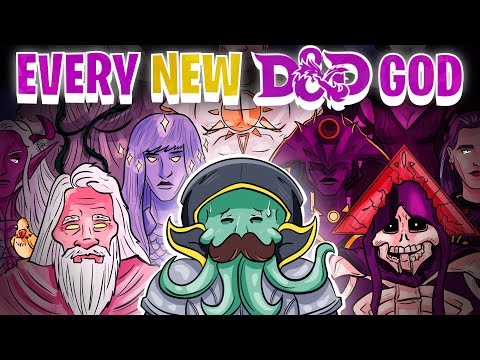
The pantheon of gods available to a paladin depends heavily on the edition of Dungeons & Dragons being played and the specific setting. Generally, paladins can worship gods aligned with Lawful Good, Neutral Good, or Lawful Neutral alignments. This is because paladins are typically associated with upholding justice, righteousness, and order, reflecting the ethos of these deities.
The Core Principles of Paladin Worship
Understanding the core principles of paladin worship is crucial to determine which gods are suitable. Paladins, regardless of edition, are fundamentally driven by an oath or commitment to a higher purpose. This oath often aligns with specific virtues such as courage, compassion, justice, and honor. The gods they choose to worship embody these virtues and guide them on their divine path.
Alignment as a Guiding Factor
Alignment, a system used in D&D to describe a character’s ethical and moral perspective, plays a significant role. While earlier editions of D&D strictly mandated that paladins be Lawful Good, more recent editions have become more flexible. However, the deities they worship still need to be aligned with the tenets of their oath.
Gods of Lawful Good alignment are the most traditional choices. They represent the perfect combination of order and benevolence. Deities of Neutral Good emphasize compassion and helping others, even if it means bending the rules. Gods of Lawful Neutral alignment prioritize order and adherence to a strict code, often valuing structure above all else.
Examples of Deities
Across various D&D settings, certain gods are frequently associated with paladins:
- Bahamut: A platinum dragon and the god of good metallic dragons, Bahamut embodies justice, protection, and nobility. He is a popular choice for paladins dedicated to fighting evil and upholding the law.
- Torm: A god of courage, duty, and obedience, Torm represents unwavering dedication to one’s principles. Paladins of Torm are steadfast defenders of the innocent and protectors of the weak.
- Tyr: The one-handed god of justice, Tyr emphasizes fairness, impartiality, and the rule of law. Paladins of Tyr are relentless in their pursuit of justice and punish those who violate the law.
- Ilmater: The Crying God, Ilmater is the deity of suffering, endurance, and perseverance. Paladins of Ilmater offer comfort to the afflicted and bear the burdens of others.
- Lathander: The god of the morning, Lathander represents hope, renewal, and optimism. Paladins of Lathander spread joy, inspire others, and banish darkness.
- Pelor: (In some settings) This god is often associated with the sun, healing, and agriculture. Pelor’s paladins are beacons of hope and protectors of life.
- Moradin: The dwarven god of creation, craftsmanship, and protection, Moradin values hard work, skill, and dedication. Paladins of Moradin are steadfast defenders of their people and unwavering in their craft.
5th Edition Flexibility
In 5th Edition D&D, the emphasis shifts from strict alignment requirements to the Oath that the paladin takes. This means that while a paladin’s actions should generally reflect their oath, the choice of deity (if any) becomes more flexible. A paladin dedicated to the Oath of Devotion might still choose a traditional deity like Torm or Bahamut, but a paladin of the Oath of the Ancients could worship a nature deity or even a concept like the power of the sun.
Gods and the Source of Power
It’s important to note that, unlike clerics, a paladin’s power in 5th Edition comes directly from their Oath, not necessarily from a deity. While many paladins choose to worship a god whose values align with their oath, they aren’t required to do so. The divine power manifests through their conviction and dedication to their chosen path.
FAQs: Delving Deeper into Paladin Worship
Here are some frequently asked questions to further clarify the nuances of paladin worship:
1. Can a paladin be an atheist?
Yes, especially in 5th Edition, a paladin can be an atheist. Their power comes from their oath, not necessarily from a deity. They can be devoted to a concept like justice or compassion and still receive divine power through their commitment to that principle.
2. Does a paladin have to worship a god?
No, it is not mandatory for a paladin to worship a god, particularly in more recent editions like 5th Edition. The source of their power is their oath.
3. Can a paladin worship an evil god?
Generally, no. Paladins are typically associated with good and law. Worshiping an evil god would contradict their core principles and likely lead to a loss of their paladin abilities. The most permissive setting would allow paladins to follow Lawful Neutral gods.
4. Can a paladin change their deity?
Potentially, but it’s a complex process. Changing deities often requires significant character development and may involve an atonement quest or a complete change of oath, which could also lead to a change in class.
5. What happens if a paladin violates their oath?
Violating their oath can lead to a loss of their paladin powers. Depending on the severity of the violation and the edition of D&D, they may need to undergo a quest for redemption or change their oath entirely.
6. Can a paladin multiclass as a cleric to their chosen deity?
Yes, a paladin can multiclass as a cleric. This can create a powerful combination, allowing them to draw upon the divine power of their chosen deity in different ways.
7. How does a paladin’s deity influence their roleplaying?
A paladin’s deity can significantly influence their roleplaying. Their beliefs, values, and actions should reflect the tenets of their chosen god.
8. Can a paladin worship a pantheon instead of a single god?
Yes, depending on the setting and the edition of D&D, a paladin can worship a pantheon. They would need to focus on the deities within that pantheon that align with their oath and values.
9. Can a paladin worship a dead god?
This is possible, but it would be unusual. The paladin would likely be devoted to upholding the principles and ideals of the deceased deity, acting as their champion in the world.
10. How does a paladin’s choice of deity affect their spells?
In some editions of D&D, a paladin’s choice of deity might influence the spells they have access to. However, in 5th Edition, their spells are primarily determined by their chosen oath.
11. What are the common symbols associated with paladin deities?
Common symbols associated with paladin deities include holy symbols representing their god, emblems of justice (like scales or swords), or symbols related to their specific domains (such as a sun for Lathander or a hammer for Moradin).
12. Can a paladin of one deity cooperate with a paladin of a different deity?
Yes, as long as their deities are not diametrically opposed and their goals align, paladins of different deities can cooperate effectively. Their shared commitment to good and justice can unite them.
13. Is there anything in the rules that dictates what god a specific oath follows?
No, there are no rules explicitly dictating which god a specific oath must follow. The choice is largely up to the player and should be based on the alignment and tenets of the oath.
14. Can a paladin have more than one god?
While uncommon, a paladin might acknowledge and respect multiple gods, especially if those gods share similar values or belong to the same pantheon. However, they would typically have one primary deity to whom they are most devoted. Some settings do permit the worship of multiple gods.
15. How do I explore the relationship between games and learning?
The relationship between games and learning is a dynamic one, and many resources explore this intersection. A great place to start is the Games Learning Society website: https://www.gameslearningsociety.org/. You can also visit GamesLearningSociety.org.