What Gods Do Centaurs Worship? Exploring the Deities of Mythical Horse-Men
Fast answer first. Then use the tabs or video for more detail.
- Watch the video explanation below for a faster overview.
- Game mechanics may change with updates or patches.
- Use this block to get the short answer without scrolling the whole page.
- Read the FAQ section if the article has one.
- Use the table of contents to jump straight to the detailed section you need.
- Watch the video first, then skim the article for specifics.
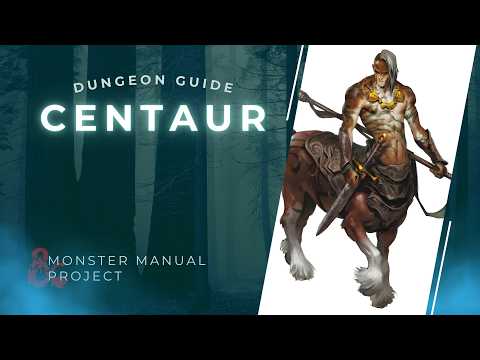
The question of what gods centaurs worship is complex and varies depending on the specific mythology and setting. In essence, centaurs are strongly associated with nature, wildness, and the balance of the natural world. This often leads them to venerate deities that embody these aspects. The most consistent answer across different myths and game settings is that centaurs do not typically subscribe to human-centric pantheons. Instead, they often revere nature spirits, primordial forces, and specific deities related to the wild. They might also follow ancestral spirits or figures like Chiron, who, while not a god in the traditional sense, is often venerated for his wisdom and healing prowess. In the Forgotten Realms, Skerrit is the primary centaur deity, emphasizing nature’s balance and protection.
Centaurs and Their Deities: A Closer Look
Centaurs are a complex race, part human and part horse, and this duality reflects in their spiritual beliefs. They exist on the edge of the civilized and the wild. This unique position is evident in the deities they choose to honor:
Nature Spirits and Primordial Forces
Many centaur groups primarily worship nature spirits and the raw forces of the world. These can be generalized spirits of the forests, rivers, mountains, or more specific elemental entities. They might also revere the sun or moon, not as gods with human-like characteristics, but as powerful sources of energy and influence. This animistic view sees divinity present in all things, rather than being concentrated in a specific pantheon of gods.
Skerrit: The Centaur God of the Forgotten Realms
In the Forgotten Realms setting of Dungeons & Dragons, centaurs primarily worship Skerrit, also known as the Forest Walker. Skerrit embodies the aspects of nature, hunting, and the protection of sylvan lands. As a neutral good god, he strives to maintain the balance of the natural world and watches over centaur communities. His domains are Animal, Heal, Plant, and Sun, highlighting his connection to these aspects of the natural world.
Chiron: The Venerated Teacher
While not a god in the traditional sense, Chiron is an incredibly important figure for many centaurs. Considered the first among their kind and a great healer, astrologer, and respected oracle, Chiron is often venerated as a teacher, guide, and an embodiment of wisdom. He represents a link to the divine and the potential for knowledge and understanding.
The Greek Pantheon: Limited Connections
Centaurs in Greek mythology have a complex relationship with the Olympian gods. While they are part of the same mythological landscape, they are not portrayed as devout worshippers of the Olympians. Some centaurs might acknowledge the power of Zeus or the influence of Artemis (goddess of the hunt) or Dionysus (god of wine and revelry), but these connections are more about acknowledging existing power than sincere worship. Their more frequent association is with Dionysus, reflecting their tendency towards wild revelry when intoxicated.
The Concept of Neutrality and Balance
A recurring theme in centaur spirituality is the importance of neutrality and balance. This is evident in Skerrit’s doctrine and in the general centaur emphasis on living in harmony with nature. Unlike human societies that often prioritize order and control, centaurs often see value in the chaotic, wild, and unpredictable aspects of the world, recognizing that true balance requires all things. This unique perspective influences the types of powers they might seek in deities or spiritual forces.
Frequently Asked Questions About Centaur Deities
Here are some frequently asked questions to further illuminate the spiritual landscape of the centaurs:
1. Do all centaurs worship the same gods?
No, centaur worship varies significantly depending on individual tribes, regional influences, and the specific setting. While Skerrit is prominent in the Forgotten Realms and nature spirits are widely venerated, there is no single unified belief system across all centaur populations.
2. Are centaur deities usually good, evil, or neutral?
Centaur deities tend to lean toward neutrality, aligning with their emphasis on maintaining natural balance. Figures like Skerrit are neutral good, but centaurs don’t generally subscribe to absolute good or evil. They focus on the preservation of the natural order, whatever that entails.
3. Do centaurs have their own creation myth?
Centaur creation myths are often tied to specific pantheons or settings. In Greek mythology, they are believed to be descendants of Centaurus, who was born from Ixion’s union with a cloud disguised as Hera. However, the specifics of creation vary across mythologies.
4. Do centaurs have rituals or ceremonies?
Yes, centaurs do have rituals and ceremonies, often tied to the seasons, the hunt, or important life events like birth and death. These rituals often involve communing with nature, dancing, singing, and offerings to spirits or deities.
5. Do centaurs have shamans or spiritual leaders?
Yes, many centaur communities have shamans, druids, or spiritual leaders who serve as intermediaries between the centaurs and the spiritual world. These individuals often possess knowledge of herbs, healing, and the natural world.
6. Do female centaurs (centaurides) have different deities?
While female centaurs, or centaurides, may have unique perspectives on their deities, they generally follow the same pantheon or spiritual practices as male centaurs within their tribe. The deities are typically relevant to all centaurs regardless of gender.
7. Are centaurs considered to be part of the Feywild?
Yes, centaurs in many settings, particularly in Dungeons & Dragons, are considered to be Fey creatures, rather than humanoids. This classification further reinforces their ties to nature and the wild.
8. How does centaur spirituality differ from human religions?
Centaurs’ focus on nature, balance, and the wild contrasts starkly with many human religions, which often prioritize specific gods, moral codes, and societal structures. Centaurs’ spiritual view is often more animistic and less anthropocentric.
9. Do centaurs believe in an afterlife?
The details of centaur beliefs regarding the afterlife are not always explicitly stated. Many likely believe in a spiritual continuation after death, perhaps as a return to the natural cycle. These beliefs often vary depending on individual tribes and locations.
10. How does the centaur diet influence their spiritual beliefs?
Centaurs’ diets typically include natural foods like meat, grains, and fruit. Their direct reliance on the land for sustenance often reinforces their respect for the natural world, influencing their spiritual views on balance and respect for the life cycle.
11. Do centaurs worship the same gods as satyrs?
In some settings, like the Forgotten Realms, centaurs and satyrs may share deities like Skerrit, who is associated with the wilds. However, their spiritual practices can still differ even when worshipping the same deity. Satyrs are more inclined towards revelry, while centaurs are more often concerned with preserving balance.
12. Can a centaur become a cleric or paladin in a game like D&D?
Yes, centaurs can be clerics or paladins, choosing a deity that aligns with their chosen path. A centaur might become a cleric of a nature god, a paladin of the forest, or a follower of Skerrit.
13. How does the centaur’s love of freedom influence their spiritual beliefs?
The centaurs’ love of freedom and the open wilderness likely influences their rejection of overly structured human-like religions and helps to draw them to the free and unpredictable forces of nature, reflecting their preference for free, wild, and independent spirits.
14. Can Centaurs be evil in nature?
While the common depiction of centaurs leans towards neutrality or good, individuals and tribes can deviate towards evil. Those centaurs who do not respect nature and seek power for selfish gain could become associated with more malevolent forces, though this is atypical.
15. What is the role of astronomy in centaur spiritual practices?
Many centaur cultures hold a strong interest in astronomy. Their ability to understand the night sky for divination and navigation ties directly into their worship of the Sun and stars as well as the larger natural cycle and life’s patterns. Figures like Chiron, with his knowledge of astrology, are held in high regard.
In conclusion, centaur worship is not defined by adherence to rigid pantheons but is strongly tied to the veneration of nature, balance, and the wild. While specific deities like Skerrit hold significance, many centaurs focus on nature spirits, ancestral figures, and primordial forces, reflecting their unique position in the intersection of the civilized and the untamed. This deep connection to the natural world shapes their spirituality and their place in the cosmos.