What Happens If I Don’t Sleep in Minecraft?
Fast answer first. Then use the tabs or video for more detail.
- Watch the video explanation below for a faster overview.
- Game mechanics may change with updates or patches.
- Use this block to get the short answer without scrolling the whole page.
- Read the FAQ section if the article has one.
- Use the table of contents to jump straight to the detailed section you need.
- Watch the video first, then skim the article for specifics.
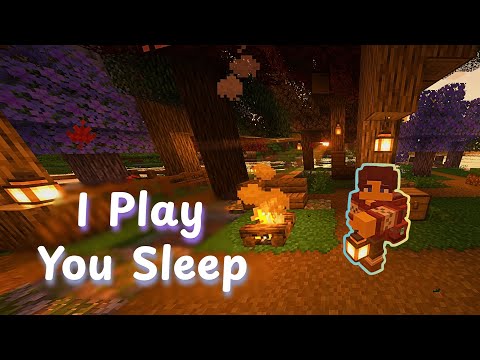
If you choose to forgo slumber in Minecraft, brace yourself for a potentially challenging experience. Primarily, not sleeping means nighttime will persist, bringing with it the dangers associated with darkness. Hostile mobs like zombies, skeletons, creepers, and spiders will continue to spawn and hunt you, making survival significantly harder. Furthermore, if you’re playing in a multiplayer world, not sleeping disrupts the sleep cycle for everyone, leading to resentment and potentially hindering progress. Finally, Phantoms will eventually begin to spawn if you have not slept for a considerable number of in-game days (3 days or more).
The Perils of a Sleepless Minecraft Night
Staying awake through the night in Minecraft is a choice, but it comes with consequences. Let’s break down the significant impacts:
Hostile Mob Mania
The most immediate and obvious consequence is the continued presence of hostile mobs. Nighttime is their prime hunting season, and without sleep to reset the cycle, they will relentlessly pursue you. This constant threat makes tasks like mining, building, or exploring incredibly risky. You’ll need to be exceptionally vigilant, maintain well-lit areas, and be prepared for frequent combat.
Phantom Menace
Perhaps the most unique consequence of sleep deprivation in Minecraft is the appearance of Phantoms. These winged, bat-like creatures spawn when a player hasn’t slept for three in-game days. They swoop down from the sky to attack, dealing damage and potentially knocking you off high places. The longer you stay awake, the more Phantoms will spawn, making survival increasingly difficult. They are particularly annoying because they spawn even in well-lit areas and relentlessly pursue you.
Multiplayer Mayhem
In multiplayer worlds, the sleep cycle is often linked to a majority vote. If enough players sleep simultaneously, the night skips ahead to morning. However, if even one player refuses to sleep, the night continues for everyone. This can lead to frustration and disagreements, especially if other players are eager to get back to daytime activities. Refusing to sleep can make you unpopular quickly!
Lost Time and Efficiency
While not a direct threat, the continued nighttime impacts your overall efficiency. Daytime is generally safer and allows for activities like farming, trading with villagers, and exploring without the constant threat of monsters. Prolonging the night effectively wastes valuable in-game time.
The Grind Never Stops (But Should It?)
Some players intentionally avoid sleeping to engage in specific activities that are best done at night, such as farming mob drops or exploring caves. While this can be a viable strategy, it requires careful planning, excellent gear, and a high level of skill. It’s not recommended for beginner players.
Mastering the Night: Strategies for Sleep-Defiant Players
Despite the challenges, some players actively choose to avoid sleep. Here are some strategies to help them survive:
Lighting is Key
Meticulously lighting up your base, surrounding areas, and any paths you frequently travel is crucial. Hostile mobs cannot spawn in areas with sufficient light levels. Use torches, lanterns, sea lanterns, or glowstone to illuminate your surroundings effectively.
Secure Your Perimeter
Build a secure perimeter around your base to prevent mobs from entering. Walls, fences, and moats can act as effective barriers. Consider using iron golems to defend against any intruders.
Gear Up
Invest in the best possible armor and weapons. Enchantments like Protection, Sharpness, and Knockback can significantly increase your survivability. Potions of Healing, Strength, and Regeneration can provide temporary boosts in combat.
Be Vigilant
Constantly scan your surroundings for potential threats. Listen for the sounds of approaching mobs and be prepared to react quickly. Use a shield to block attacks and learn the attack patterns of different mobs.
Mob Farms
Build mob farms to take advantage of the constant mob spawns during the night. These farms can provide valuable resources like gunpowder, bones, and string.
Frequently Asked Questions (FAQs)
Here are 15 frequently asked questions about sleeping in Minecraft:
1. Why can’t I sleep in my bed?
There are several reasons why you might not be able to sleep. The most common reason is that there are hostile mobs nearby. You also can’t sleep if you are hungry, or if it is daytime. Clear the area of any enemies and ensure it is nighttime before attempting to sleep. Sometimes, even if you don’t see any mobs, they might be hiding in a nearby cave or behind a wall.
2. How many in-game days can I go without sleeping before Phantoms spawn?
Phantoms begin to spawn after you haven’t slept for three in-game days (72 minutes of real-time). The longer you go without sleeping, the more Phantoms will spawn.
3. Are Phantoms harder to kill than other mobs?
Phantoms can be tricky because they fly and swoop down quickly. However, they have relatively low health compared to other mobs like creepers or endermen. A well-aimed arrow or a few strikes with a sword can usually take them down.
4. How can I prevent Phantoms from spawning?
The simplest way to prevent Phantoms is to sleep in a bed at least once every three in-game days. Alternatively, wearing a helmet with the Slow Falling enchantment can mitigate their damage. Using commands, or playing in creative, you can disable Phantom spawns permanently.
5. Does sleeping reset my hunger bar?
No, sleeping in Minecraft does not affect your hunger bar. You will still need to eat regularly to maintain your hunger level.
6. Can I sleep in the Nether or the End?
No, you cannot sleep in the Nether or the End dimensions. Beds will explode if you try to use them in these dimensions.
7. What happens if I die in my sleep?
You cannot die in your sleep in Minecraft. Once you enter your bed, you are invulnerable until you exit the bed.
8. Do all players in a multiplayer world need to sleep for the night to pass?
No, in most versions of Minecraft, only a certain percentage of players need to sleep for the night to pass. This percentage can be adjusted in the server settings.
9. How can I make a bed?
You need three wool blocks and three wooden planks to craft a bed. Place the wooden planks in the bottom row of the crafting table and the wool blocks in the middle row.
10. Does the color of the wool affect the bed’s function?
No, the color of the wool does not affect the bed’s function. You can use any color of wool to craft a bed.
11. Can I use a bed as a respawn point?
Yes, placing a bed and sleeping in it will set your respawn point to that location. If you die, you will respawn at the bed.
12. What are some good strategies for surviving the night without sleeping?
Focus on building underground bases or well-lit above-ground structures. Use iron golems for defense and invest in strong armor and weapons. Consider building mob farms for resources.
13. Is there a way to skip the night without a bed?
Yes, using commands. If you have access to commands (e.g., in creative mode or as an operator on a server), you can use the /time set day command to instantly change the time to daytime.
14. Do hostile mobs despawn when it turns to day?
Yes, most hostile mobs will despawn when it turns to day, provided they are not in a dark or enclosed space. Mobs that are named or have picked up items will not despawn.
15. Does sleeping affect the growth of crops?
No, sleeping does not directly affect the growth of crops. Crop growth is primarily determined by light level, hydration, and the presence of farmland. Time must pass for plants to grow, so skipping night allows daytime to continue, leading to more plant growth overall.