The Grim Reaper and Your Steed: What Happens When You Don’t Revive Your Horse in Red Dead Redemption 2?
Fast answer first. Then use the tabs or video for more detail.
- Watch the video explanation below for a faster overview.
- Game mechanics may change with updates or patches.
- Use this block to get the short answer without scrolling the whole page.
- Read the FAQ section if the article has one.
- Use the table of contents to jump straight to the detailed section you need.
- Watch the video first, then skim the article for specifics.
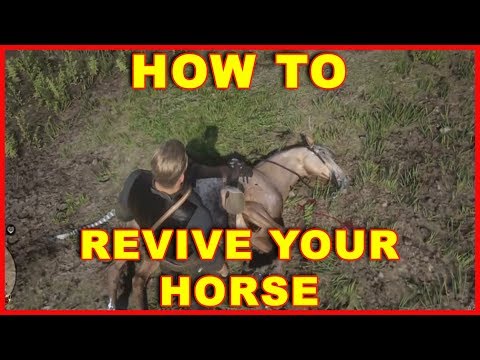
In the unforgiving world of Red Dead Redemption 2 (RDR2), your horse isn’t just a mode of transportation; it’s your companion, your confidante, and sometimes, your only friend. So, what happens when tragedy strikes and your trusty steed is critically injured? Simply put: If you don’t revive your horse after it’s critically injured, it will die permanently. This means it’s gone for good, replaced either by a temporary horse or, if it was your main horse, you’ll need to bond with and saddle a new one. The consequences are significant, impacting gameplay, immersion, and your emotional connection to the game.
The Heartbreak of Permanent Horse Death
The death of your horse in RDR2 is designed to be impactful. Rockstar Games intentionally made this a serious consequence to encourage players to form a bond with their steeds and treat them with care. Here’s a breakdown of what happens:
- Permanent Loss: This isn’t a temporary setback. Once your horse dies, it’s gone permanently. There’s no magical resurrection, no visit to a horse hospital. You’ll feel the weight of your actions (or the actions of a careless bandit).
- Loss of Bonding: All the hours you spent bonding with your horse are lost. Level 4 bonding provides significant stat bonuses and unique abilities, all gone with the animal’s passing. You’ll have to start from scratch with a new horse.
- Financial Implications: Replacing a high-quality horse can be expensive. Some of the best breeds can cost hundreds of dollars, a considerable sum in the RDR2 economy.
- Emotional Impact: Perhaps the most significant consequence is the emotional toll. RDR2 expertly crafts a bond between the player and their horse. Losing that connection can be genuinely upsetting, adding to the game’s realistic and immersive experience.
The Reviver and the Alternative
Fortunately, horse revivers are available for purchase at stables and general stores. These items allow you to bring a critically injured horse back from the brink of death. Time is of the essence, however. A critically injured horse will not revive on its own, and if left too long, it will succumb to its injuries.
If you can’t revive your horse in time, or if you simply don’t have a reviver on hand, the following will occur:
- Temporary Horse: If you own multiple horses, the game will automatically saddle your secondary horse.
- Wild Horse: If you don’t have a secondary horse stabled, the game will provide a temporary, low-quality horse. This horse will be minimally bonded and lack any special skills or stats.
- Return to Stable: Upon visiting a stable, you can then either retrieve another stabled horse or purchase a new one.
It’s worth noting that the game provides a moment of grace: You’ll have an opportunity to say goodbye to your fallen companion. This is a powerful scene, emphasizing the gravity of the situation.
Preventive Measures: Keeping Your Horse Safe
Prevention is always better than cure. Here are some tips to keep your horse alive and kicking in RDR2:
- Be Mindful of Your Surroundings: Watch out for cliffs, predators, and hostile NPCs. These are the primary causes of horse fatalities.
- Upgrade Your Saddle and Stirrups: Better equipment improves your horse’s stamina and health, making it more resilient in dangerous situations.
- Maintain Horse Health: Regularly brush, feed, and calm your horse. A healthy horse is a more durable horse.
- Use Horse Revivers Wisely: Always carry at least one horse reviver, especially when venturing into dangerous territory. They are a crucial insurance policy.
- Pay Attention to Horse Dialogue: Arthur will often comment on the horse’s well-being; pay attention and react accordingly.
Ultimately, RDR2’s horse death mechanic serves as a powerful narrative tool, forcing players to confront the consequences of their actions and to value the bonds they form within the game world. The depth of emotional engagement with this feature is fascinating, a subject further explored by resources like the Games Learning Society at https://www.gameslearningsociety.org/. They examine how games create impactful learning experiences.
Frequently Asked Questions (FAQs) About Horse Death in RDR2
1. Can I reload a save to prevent my horse from dying?
Yes, reloading a previous save is the most common way to prevent permanent horse death. If you act quickly after your horse is critically injured (before it dies), you can reload a recent autosave or manual save to rewind time and potentially avoid the accident.
2. Are there any horses that are immune to death in RDR2?
No, there are no horses in RDR2 that are completely immune to death. All horses, regardless of breed or bonding level, can die if they take enough damage and aren’t revived in time.
3. What happens if my horse dies during a mission?
If your horse dies during a mission, the mission will typically continue, but you’ll be provided with a temporary horse. The consequences are the same as in the open world: You’ll lose your bonded horse permanently if it’s not revived.
4. How do I know if my horse is critically injured?
When your horse is critically injured, a notification will appear on screen indicating its condition. The horse will also be visibly distressed and may be lying on the ground. You’ll have a limited time to administer a horse reviver.
5. Where can I buy horse revivers?
Horse revivers can be purchased at most stables and general stores throughout the game world. They are relatively inexpensive, so it’s always a good idea to keep one or two on hand.
6. Does insurance for my horse exist in Red Dead Redemption 2?
No, Red Dead Redemption 2 does not feature an in-game horse insurance system. Protecting your horse relies solely on your skill, caution, and preparedness.
7. Can a wild animal kill my horse in RDR2?
Yes, wild animals, such as wolves, bears, and cougars, can attack and kill your horse. Be particularly cautious when traveling through wilderness areas and be prepared to defend your horse.
8. Does bonding level affect my horse’s chances of survival?
While bonding level doesn’t directly prevent death, a higher bonding level increases your horse’s health and stamina, making it more resilient to damage and potentially increasing its chances of surviving an accident.
9. Can other players kill my horse in Red Dead Online?
Yes, in Red Dead Online, other players can kill your horse. This is a part of the game’s open-world PvP system, and players should be aware of the risks involved in interacting with others.
10. Is there any way to cheat and bring my dead horse back to life?
Outside of using mods on PC (which are not officially supported and can potentially cause issues), there is no legitimate way to bring a dead horse back to life in Red Dead Redemption 2.
11. How does horse death affect my honor in RDR2?
The circumstances surrounding your horse’s death can affect your honor. For example, neglecting your horse or deliberately causing its death can lower your honor, while treating it with care can raise your honor.
12. Can my horse die from falling from a great height?
Yes, falling from a significant height is a common cause of horse death in RDR2. Be careful when navigating cliffs and steep terrain.
13. What are the best horse breeds to minimize the risk of death?
Horses with higher health and stamina stats, such as the Arabian, Turkoman, and Missouri Fox Trotter, are generally more resilient and can better withstand damage, potentially reducing the risk of death. However, any horse can die if not cared for properly or if subjected to severe trauma.
14. Can my horse drown in Red Dead Redemption 2?
Yes, horses can drown if they are submerged in deep water for too long. Be mindful of water depth when crossing rivers and lakes.
15. Does my horse’s temperament affect its survivability?
While temperament doesn’t directly impact health stats, a braver horse will be less likely to buck you off in dangerous situations, potentially preventing accidents that could lead to injury or death. Braver horses also tend to react better to predators, giving you a chance to defend them.