The Unending Cycle: What Happens to Kratos After He Dies?
Fast answer first. Then use the tabs or video for more detail.
- Watch the video explanation below for a faster overview.
- Game mechanics may change with updates or patches.
- Use this block to get the short answer without scrolling the whole page.
- Read the FAQ section if the article has one.
- Use the table of contents to jump straight to the detailed section you need.
- Watch the video first, then skim the article for specifics.
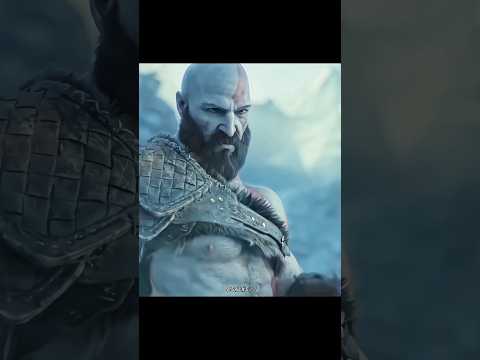
The short answer, based on what we know from the God of War franchise, is this: Kratos doesn’t stay dead. Death, for the Ghost of Sparta, is more of an inconvenience than an ending. He has repeatedly defied death through sheer willpower, magical intervention, and even time travel. His nature as a demigod, coupled with the curses and blessings bestowed upon him, makes him extraordinarily resilient, even to the point of near-immortality. His experiences in both the Greek and Norse pantheons prove that while he can be killed, he always finds a way back.
Kratos’ Encounters with Death: A Recurring Theme
Kratos’ history is littered with brushes with death. From his initial demise at the hands of Zeus to his self-inflicted wound with the Blade of Olympus, the Spartan warrior has stared into the abyss more times than most. Each time, he has found a way to return, often more powerful and determined than before.
The Greek Underworld and Gaia’s Intervention
The first notable example of Kratos’ resilience occurs after his death at Zeus’ hands. He finds himself in the Underworld, a bleak and unforgiving realm. However, fate intervenes in the form of Gaia, the Titan, who revives Kratos and sets him on a path to seek revenge. Gaia’s magic plays a crucial role in restoring Kratos, highlighting that external forces can influence his ability to overcome death.
Manipulating Fate and Time
Fuelled by Gaia’s intervention, Kratos travels to the Sisters of Fate, beings who control the threads of destiny. By battling them and manipulating time, Kratos undoes his death and changes the course of history. This highlights his ability to not just defy death, but to actively rewrite it.
The Norse Realm: Prophecy and Resilience
In the Norse saga, prophecy plays a significant role. A mural depicts Kratos’ potential death, casting a shadow over his future. However, God of War: Ragnarök ultimately subverts this prophecy. While the game teases the possibility of Kratos’ demise, he ultimately survives, defying the predetermined fate. This defiance reinforces the theme that Kratos’ choices and actions can alter even the most seemingly inevitable outcomes.
Factors Contributing to Kratos’ Resilience
Several factors contribute to Kratos’ ability to cheat death:
- Demigod Status: Being the son of Zeus grants Kratos inherent strength, durability, and a longer lifespan than mortals.
- Divine Powers: Throughout his journey, Kratos absorbs the powers of gods and monsters, further enhancing his abilities and resilience.
- Curse of Immortality: Some interpretations suggest Kratos is cursed to never truly die, ensuring his continued existence, albeit often in torment.
- Sheer Willpower: Kratos’ relentless determination and unwavering desire for revenge or, later, redemption, fuel his ability to overcome seemingly insurmountable obstacles, including death itself.
- External Assistance: Interventions from entities like Gaia or even allies in the Norse realm aid Kratos in his struggles against death.
The Question of True Death: Can Kratos Ever Truly Die?
While Kratos has repeatedly defied death, the question remains: can he ever truly die? Based on the established lore, the answer is complex. While his physical form can be destroyed, his spirit and legacy seem destined to endure. He has faced beings capable of immense destruction and has emerged victorious. Even if a force were to completely obliterate his physical presence, the impact he has had on the world and the stories surrounding him suggest that his essence would persist in some form. Perhaps he will simply be reborn to repeat the cycle again.
Kratos’ Legacy and the Future
Ultimately, what happens to Kratos after he dies is less important than the impact he has on the world around him. His journey from vengeful warrior to a father seeking redemption is a powerful narrative arc. Even if he were to meet a definitive end, his legacy would live on through his son, Atreus, and the lessons he has imparted.
To delve deeper into the educational and social impact of games like God of War, explore the resources available at the Games Learning Society at GamesLearningSociety.org.
Frequently Asked Questions (FAQs) About Kratos and Death
1. Did Kratos die in the original God of War?
Yes, Kratos dies at the hands of Zeus in God of War II. However, he is revived by Gaia and embarks on a quest to change his fate.
2. Does Kratos lose his immortality in God of War?
The extent of Kratos’ immortality is debatable. He ages slowly and is incredibly resilient, but he can be killed. However, he always finds a way to return. Whether this is true immortality or extreme resilience is open to interpretation.
3. Is Kratos going to die after Ragnarok?
No, Kratos does not die in God of War: Ragnarök. He overcomes the prophecy depicting his death and continues his journey alongside Atreus.
4. What happened to Kratos after he killed Zeus?
After killing Zeus, Kratos grapples with the consequences of his actions and attempts to end his own life. However, he survives and eventually travels to the Norse realm.
5. Does Kratos feel regret for killing Zeus?
Yes, Kratos shows signs of regret for killing Zeus and other gods. This regret contributes to his desire for redemption in the Norse saga.
6. Why did Kratos say no to Odin?
Kratos rejects Odin’s offer because he distrusts him and wants to protect Freya. He learns from Mimir of Odin’s propensity to betray those that work with him. He’s been burnt before, so this time he prefers to stay clear.
7. Does Kratos regret killing?
Yes, Kratos admits to regretting his past actions and the lives he has taken, both deserving and undeserving. This regret fuels his desire for redemption.
8. Why didn’t Thor heal from Kratos’ wound?
Thor’s wound from Kratos’ Leviathan Axe doesn’t heal properly because the axe is imbued with the venom of Jormungandr, the World Serpent.
9. Who can beat Kratos?
Several characters from other universes possess powers that could potentially overpower Kratos, including beings with abilities to manipulate space, time, or reality. The God of War universe has limits which Kratos can’t surpass.
10. Is Kratos the most powerful god?
While Kratos is incredibly powerful, he is not the most powerful being in all of fiction. He can kill gods, but faces limitations and vulnerabilities.
11. How old is Kratos when he dies?
Kratos’ exact age is unknown. He is likely over 1,000 years old in God of War: Ragnarök.
12. Who killed Kratos permanently?
No one has permanently killed Kratos to date. While he has died multiple times, he has always found a way to return.
13. Can Kratos lift Mjolnir?
No, Kratos cannot lift Mjolnir. The hammer is enchanted to only be wielded by those deemed worthy by Odin.
14. How does Kratos come back after dying?
Kratos has come back from death through various means, including magical intervention, manipulating fate, and sheer willpower.
15. Why does Thor let Kratos live?
Thor’s motivations are complex. He hesitates to kill Kratos due to Odin’s influence and his own internal conflict, realizing the outcome of his own death would only lead Atreus to resent Odin, his true goal.