The Ironclad Truth: What Happens When You Free an Iron Golem?
Fast answer first. Then use the tabs or video for more detail.
- Watch the video explanation below for a faster overview.
- Game mechanics may change with updates or patches.
- Use this block to get the short answer without scrolling the whole page.
- Read the FAQ section if the article has one.
- Use the table of contents to jump straight to the detailed section you need.
- Watch the video first, then skim the article for specifics.
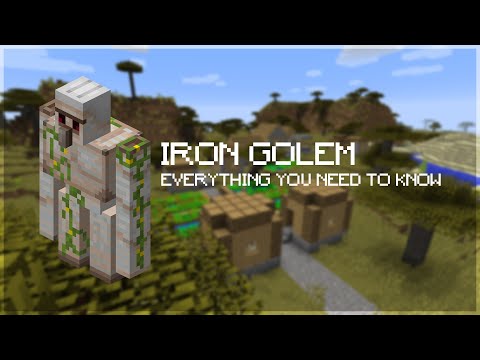
Releasing an Iron Golem from captivity in Minecraft is a decision that can dramatically alter your gameplay experience, with a variety of consequences depending on the circumstances. Directly stated, freeing an Iron Golem from a cage, especially one found at a Pillager Outpost, unleashes a powerful, neutral force into the world. Its allegiance is not initially to you, but to the concept of fighting hostile entities. The golem will immediately engage any nearby Pillagers and other threats, effectively turning the tide of battle in that immediate area. However, understanding the nuances of Iron Golem behavior is key to maximizing the benefit of this act and avoiding unintended repercussions.
Uncaging the Protector: Immediate Consequences
Initial Aggression and Target Selection
When freed, an Iron Golem’s primary directive is to eliminate any immediate threats. Therefore, it will prioritize attacking any hostile mobs in its vicinity. This includes Pillagers, Zombies, Skeletons, and other common enemies. This can be incredibly helpful in clearing out a Pillager Outpost or protecting a nearby village from an impending invasion.
Neutrality to Players: A Double-Edged Sword
The freed Iron Golem will generally be neutral toward players, meaning it won’t attack you unless provoked. This is crucial to understand. While it won’t automatically become your bodyguard, it also won’t inherently pose a threat. However, striking the golem, even accidentally, will trigger its aggression towards you, potentially turning a powerful ally into a formidable foe.
Village Influence and Reputation
If you are in or near a village, the Iron Golem may begin patrolling the area, protecting the villagers from threats. This can significantly increase your standing within the village and improve trade opportunities. However, if your reputation with the villagers is already low (below -15 popularity or -100 reputation with a villager), the freed golem may remain hostile towards you, even if you haven’t directly attacked it.
The Long-Term Implications
A Roaming Guardian
Once the immediate threat is eliminated, the Iron Golem will typically begin to roam the area, patrolling for other hostile mobs. This makes it a valuable asset for long-term protection, but also means it might wander far from where you originally freed it. Consider this when deciding whether to unleash it, as it might not stay where you need it most.
Environmental Factors
Be mindful of the environment. An Iron Golem can unintentionally cause damage to structures or terrain if its attacks are not carefully directed. For instance, it might accidentally break fragile blocks while fighting off a horde of zombies near your base.
Understanding Golem Behavior
It’s essential to understand that you cannot “tame” a naturally spawned Iron Golem. They operate based on pre-programmed behaviors and their relationship to the village and its perceived threats. The only way to have a truly loyal Iron Golem is to construct one yourself.
Frequently Asked Questions (FAQs) About Iron Golems
1. Can I befriend a freed Iron Golem?
No, you cannot “befriend” a naturally spawned Iron Golem. Its actions are driven by its programming to protect villagers and fight hostile mobs. The only way to have a golem loyal to you is to build one yourself using iron blocks and a carved pumpkin.
2. Will a freed Iron Golem follow me?
No, Iron Golems, whether naturally spawned or freed, do not follow players like tamed animals. They patrol areas and prioritize attacking hostile mobs. To keep one near you, you would need to use leads or build a contained area.
3. Does hitting a freed Iron Golem make it angry at me?
Yes, striking an Iron Golem, even accidentally, will trigger its aggression towards you. It will attack you until either you die or it dies. Be extremely cautious around them to avoid accidental hits.
4. What happens if I have a bad reputation with the villagers?
If your popularity is below -15 or you have a villager reputation below -100, naturally spawned Iron Golems will be hostile toward you, even if you haven’t directly provoked them. Improve your reputation by trading with villagers to regain their trust.
5. Will the freed Iron Golem protect the village even if I leave the area?
Yes, Iron Golems will continue to protect the village as long as they remain within its boundaries. They patrol and defend the area against hostile mobs, regardless of your presence.
6. Can I repair a damaged Iron Golem?
Yes, you can repair damaged Iron Golems by using iron ingots. Simply interact with the golem while holding an iron ingot, and it will slowly regain health. This works on both naturally spawned and player-built golems.
7. What is the best way to transport an Iron Golem?
The most effective way to transport an Iron Golem is by using leads. Attach a lead to the golem and guide it to the desired location. However, be mindful of obstacles, as they may break the lead.
8. Do Iron Golems attack Creepers?
Interestingly, Iron Golems do not attack Creepers. This is a peculiar behavior in Minecraft. They target most other hostile mobs but ignore Creepers, likely because Creepers don’t directly attack villagers.
9. How many villagers are needed to spawn an Iron Golem naturally?
A village needs at least ten villagers and twenty beds for an Iron Golem to spawn naturally. Also, 75% of the villagers must have worked at their workstation at least once. The game will attempt to spawn a golem every thirty-five seconds.
10. What happens if I give an Iron Golem a poppy?
If you throw a poppy at an Iron Golem, it will pick it up. This is a harmless interaction and does not affect the golem’s behavior. It’s purely an aesthetic feature.
11. Can I build an Iron Golem inside my house?
Yes, you can build an Iron Golem anywhere you have enough space. However, be aware that it will begin patrolling the area, which might not be ideal inside a confined space. Consider fencing off an area or using leads to keep it contained.
12. What are the drops when an Iron Golem is killed?
Upon death, Iron Golems drop 3-5 iron ingots and 0-2 poppies. Killing a golem also lowers your popularity in the village by 10 points if it was a naturally spawned golem.
13. Do Iron Golems spawn in all Minecraft biomes?
Iron Golems can naturally spawn in villages located in any biome where villages can generate. This makes them a common sight in most overworld areas.
14. Will Iron Golems protect baby villagers?
Yes, Iron Golems prioritize protecting all villagers, including baby villagers. They will attack any hostile mobs that pose a threat to the village’s inhabitants, regardless of age.
15. What is the fastest way to kill an Iron Golem?
Iron Golems have high health, but they are vulnerable to certain attacks. The fastest way to kill one is by using enchanted swords and bows. Also, consider indirect methods like lava or pushing them into the void. Be warned: killing a naturally spawned Iron Golem will negatively impact your reputation in the village.
Strategic Use of Freed Iron Golems: A Summary
Freeing an Iron Golem can be a powerful strategic move in Minecraft, but it requires careful consideration. Understand the golem’s behavior, your reputation with nearby villagers, and the surrounding environment to maximize the benefits and avoid unintended consequences. While you cannot “tame” or directly control a naturally spawned golem, you can leverage its strength to protect villages, clear out hostile areas, and improve your overall gameplay experience. By understanding these dynamics, you can master the art of freeing Iron Golems and harness their power for the benefit of your Minecraft world.
Minecraft is more than just building and exploring; it’s also about problem-solving and understanding complex systems. The Games Learning Society, available at https://www.gameslearningsociety.org/, recognizes the educational value of games like Minecraft. They explore how games can foster creativity, critical thinking, and collaboration. This knowledge will allow you to better enjoy your experience with the game.