Retreating in Conflict of Nations: A Strategic Deep Dive
Fast answer first. Then use the tabs or video for more detail.
- Watch the video explanation below for a faster overview.
- Game mechanics may change with updates or patches.
- Use this block to get the short answer without scrolling the whole page.
- Read the FAQ section if the article has one.
- Use the table of contents to jump straight to the detailed section you need.
- Watch the video first, then skim the article for specifics.
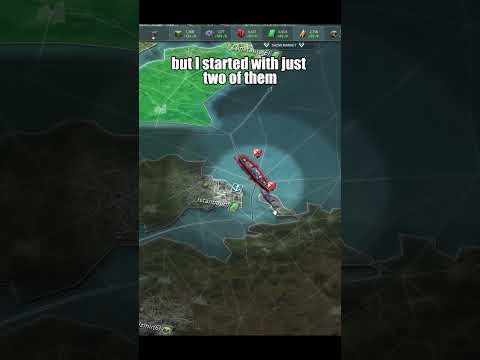
In Conflict of Nations, retreating is a crucial tactical maneuver that allows you to salvage units from potentially disastrous engagements. Initiating a retreat pulls your units back to the nearest friendly territory, incurring a hit point cost in the process. This is a desperate measure and should not be taken lightly. While your units gain significant movement speed during the retreat, making them harder to catch, they are still vulnerable. Only ground and naval units can retreat; air units do not have this option. This article will cover the mechanics of retreat, its strategic implications, and answer frequently asked questions to help you master this essential element of Conflict of Nations.
Understanding the Retreat Mechanic
Retreating in Conflict of Nations is not simply about running away. It’s a calculated risk that prioritizes the preservation of your forces. Here’s a breakdown of the key elements:
-
Initiation: To retreat a unit engaged in combat, you must select the unit and choose the retreat option. Note that this option is only available for units that meet the necessary criteria (ground and naval units).
-
Hit Point Loss: Retreating incurs a hit point penalty. The amount of health lost during the retreat is a percentage of their maximum health.
-
Increased Movement Speed: During the retreat, the units gain a substantial boost to their movement speed. This makes them harder to pursue and intercept.
-
Destination: The retreating units will automatically head towards the nearest friendly territory. They will continue until they reach a friendly city, province, or naval base.
-
Vulnerability: Even with the increased movement speed, retreating units are still vulnerable to attack. Enemy forces can pursue and inflict further damage. Remember, retreat is not invincibility.
-
Strategic Implications: The decision to retreat depends on several factors, including the strength of the enemy force, the strategic importance of the territory, and the potential for reinforcement. Retreating can buy you time to regroup, reinforce, or redeploy your forces to a more advantageous position.
Strategic Considerations for Retreating
Knowing when and how to retreat is just as important as knowing the mechanics. Here are some key strategic considerations:
-
Assessing the Situation: Before retreating, carefully assess the combat situation. Are you outnumbered? Is your enemy equipped with superior technology? Do you have a realistic chance of winning the engagement? If the answer to any of these questions is no, retreating might be the best option.
-
Prioritizing Units: Consider which units are most valuable to your overall strategy. High-level units, such as special forces or advanced armor, are generally worth saving.
-
Exploiting Terrain: Use terrain to your advantage. Retreating through forests, mountains, or bodies of water can slow down enemy pursuers and increase your chances of survival.
-
Sacrificing Units: In some cases, it may be necessary to sacrifice a weaker unit to buy time for the rest of your forces to retreat. This is a difficult decision, but it can be strategically sound.
-
Coordinating Retreats: Coordinate retreats with other friendly units. This can create a defensive perimeter and provide mutual support.
-
Setting up Ambushes: You can use the retreat as a lure for enemy units. As they pursue, other units may set up ambush positions to trap the enemy.
Understanding Victory Points and Defeat
The game of Conflict of Nations centers around the collection of Victory Points. When you lose all your territory in-game and reach 0 VP, you will automatically lose the game, and the defeated panel will show up. You can acquire VP by capturing and holding key cities and territories.
The Importance of Alliances
Being part of a coalition can significantly impact the way you play and strategize while you strive for joint victory. Your shared VP limit is adjusted according to the map and number of players in the coalition. Be aware of your alliance and how they can provide assistance.
How the Games Learning Society website can help you
The Games Learning Society is an organization dedicated to the study of learning and games. By visiting their website, https://www.gameslearningsociety.org/, you will find a treasure trove of scholarly research and resources on the educational potential of gaming. GamesLearningSociety.org explores how games can be used to teach critical thinking, problem-solving, and collaboration skills. You can learn how principles of game design can be applied to education.
Frequently Asked Questions (FAQs)
Here are some frequently asked questions about retreating and related mechanics in Conflict of Nations:
1. What types of units can retreat?
Only ground and naval units can retreat. Air units do not have the option to retreat and must instead focus on evasion tactics or direct combat.
2. How much health do units lose when retreating?
The amount of health lost during retreat is a percentage of the unit’s maximum health.
3. Can retreating units be attacked?
Yes, retreating units are still vulnerable to attack. Enemy units can pursue and inflict further damage during the retreat.
4. What happens if a retreating unit reaches a neutral territory?
Retreating units will avoid neutral territories if possible.
5. Can I retreat into an occupied territory?
No, you can only retreat into friendly territories.
6. How does terrain affect retreating units?
Terrain can affect the speed and vulnerability of retreating units. Forests, mountains, and water bodies can slow down pursuers and provide cover.
7. Can I cancel a retreat order?
Once a retreat order is initiated, it cannot be canceled. The unit will continue to retreat until it reaches a friendly territory or is destroyed.
8. How does morale affect retreating units?
Morale can affect the speed and effectiveness of a retreat. Units with low morale may retreat slower and be more vulnerable to attack.
9. Can I use retreating units as bait?
Yes, you can strategically use retreating units as bait to lure enemy forces into ambushes or defensive positions.
10. What happens if there are no friendly territories nearby?
If there are no friendly territories within range, the unit will retreat in a random direction.
11. Can retreating units still use their special abilities?
No, retreating units are generally unable to use their special abilities during the retreat.
12. How do I protect my units from being overrun during a retreat?
Protecting units involves screening units and quick repositioning of other units to ensure that the enemy units do not have time to pursue the retreating units.
13. Should I always retreat when losing a battle?
Not always. If a unit is expendable or a strategic sacrifice, maintaining a position can delay enemies and allow time for assistance to arrive.
14. Are there any technologies that improve retreat effectiveness?
No, there are no specific technologies that directly improve retreat effectiveness. However, technologies that improve unit speed, survivability, or terrain mobility can indirectly enhance the chances of a successful retreat.
15. Can you retreat from a naval landing?
Yes, if the units that have landed have taken significant damage and the defending force can’t adequately defend, then a retreat can be ordered to the nearest friendly naval base.
Conclusion
Retreating in Conflict of Nations is a critical skill that can save your units and significantly impact the outcome of a battle. By understanding the mechanics, considering the strategic implications, and practicing your execution, you can master this essential tactic and improve your overall performance in the game. Always assess the situation, prioritize your units, and exploit terrain to your advantage. With careful planning and execution, you can turn a potential defeat into a strategic victory.