What If You Beat Khotun Khan in Ghost of Tsushima?
Fast answer first. Then use the tabs or video for more detail.
- Watch the video explanation below for a faster overview.
- Game mechanics may change with updates or patches.
- Use this block to get the short answer without scrolling the whole page.
- Read the FAQ section if the article has one.
- Use the table of contents to jump straight to the detailed section you need.
- Watch the video first, then skim the article for specifics.
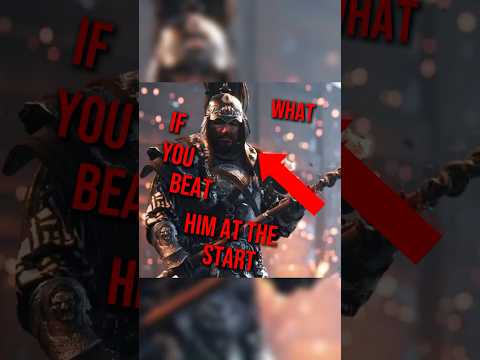
In Ghost of Tsushima, you can’t actually beat Khotun Khan in the initial boss fight. The game is programmed to force you into a cutscene to progress the storyline, regardless of how well you perform. You’re essentially destined to lose, as the story needs Jin to suffer defeat and be forced to embrace unconventional tactics to ultimately save Tsushima.
The Inevitable Defeat: A Narrative Necessity
Despite your best efforts, and regardless of how skillfully you parry, dodge, and attack, the game will trigger a cutscene when you reach a certain point in the fight against Khotun Khan. This isn’t a glitch or a lack of player skill; it’s a deliberate design choice. This cutscene serves several vital narrative purposes:
- Establishes the Stakes: Losing the initial encounter highlights the immense threat posed by the Mongol invasion. It emphasizes the overwhelming power and tactical prowess of Khotun Khan and his army.
- Drives Jin’s Transformation: This defeat is the catalyst for Jin’s evolution from a traditional samurai into the “Ghost.” He realizes that honorable combat alone is insufficient to defeat the invaders, forcing him to adopt unconventional and often dishonorable tactics.
- Sets the Stage for the Open World: The escape after the defeat opens up the vast open world of Tsushima. Jin must then recruit allies, learn new skills, and gather the strength necessary for a proper confrontation.
The Implications of Altering the Story
Consider what might happen if you could defeat Khotun Khan at the beginning:
- Collapsed Narrative Arc: Jin’s personal growth would be severely stunted. The entire story hinges on his transformation, which is directly linked to his initial failure.
- Undermined Motivation: Without the experience of witnessing the devastation and suffering caused by the Mongols, Jin’s drive to fight for Tsushima might be less compelling.
- Simplified Gameplay: The open-world structure, with its focus on exploration, skill acquisition, and resource gathering, would become largely irrelevant. The game would essentially devolve into a straightforward revenge mission.
The game’s developers, Sucker Punch Productions, carefully crafted the storyline to create a compelling and meaningful experience. While player agency is a central theme in the open-world gameplay, the core narrative beats are predetermined to ensure the story’s impact. The initial defeat against Khotun Khan is one such crucial narrative anchor. For those interested in more details about this topic, you might find relevant resources on sites dedicated to gaming and interactive storytelling, such as GamesLearningSociety.org.
Frequently Asked Questions (FAQs) About Ghost of Tsushima and Khotun Khan
1. Can you actually beat Khotun Khan at any point in the game before the final fight?
No. The encounter at the beginning of the game is scripted, and Khotun Khan is designed to be unbeatable until the end. This helps establish the story and Jin’s transformation.
2. Is Khotun Khan a historical figure?
No, Khotun Khan is a fictional character created for the game. While the Mongol invasion of Tsushima is a historical event, the specific individuals and their actions are often dramatized for storytelling purposes.
3. Does your fighting style (honorable vs. dishonorable) significantly alter the storyline?
While there are no major branching choices until the very end of the game, your choice of fighting honorably or dishonorably does have an impact on the game’s weather. More honorable play can lead to clearer skies, while dishonorable tactics can bring on stormy weather.
4. Will there be a Ghost of Tsushima 2?
Although Sucker Punch Productions hasn’t officially announced a sequel, the immense success of Ghost of Tsushima makes it highly likely. Potential release dates are speculative, but many fans hope for a sequel in the near future.
5. How historically accurate is Ghost of Tsushima?
Ghost of Tsushima is based on the true historical events of the first Mongol invasion of Japan. However, it also takes creative liberties with the story and characters to enhance the narrative.
6. Is Jin Sakai based on a real person?
Jin Sakai is a fictional character. However, his experiences and the samurai culture depicted in the game are grounded in historical research and consultation with experts to provide an authentic feel.
7. Is Ghost of Tsushima similar to Sekiro in terms of gameplay?
While both games involve samurai combat, Ghost of Tsushima offers a more open-world experience with greater exploration and side content. Sekiro is known for its tight structure and challenging combat.
8. Which ending is considered the “canon” ending in Ghost of Tsushima?
The canonical ending is generally believed to be the Honorable one, where Jin kills Lord Shimura. This ending is more likely to be used in any potential sequels, as it provides a more compelling narrative foundation.
9. How well did Ghost of Tsushima sell?
Ghost of Tsushima was a massive commercial success. It sold millions of copies within its first few days of release and continues to be popular among players worldwide.
10. Has Japan ever been successfully invaded?
Throughout its history, Japan has faced numerous invasion attempts, including the Mongol invasions. However, Japan has never been successfully invaded and occupied for a prolonged period.
11. What motivated the Mongols to invade Japan?
Kublai Khan, the grandson of Genghis Khan, sought to expand his empire and re-establish trade relations with Japan. He demanded tribute and recognition of his authority, leading to the Mongol invasions.
12. Is using assassinations considered dishonorable in Ghost of Tsushima?
Yes, using assassinations and “Ghost” tactics is considered dishonorable in the game. However, it is often the most effective way to overcome enemies, especially in stealth missions. This creates a moral dilemma for Jin.
13. Who are some of the hardest bosses in Ghost of Tsushima?
Some of the hardest bosses include Lord Shimura, Khotun Khan, and The Eagle (from the Iki Island DLC). Each boss presents unique challenges and requires different combat strategies.
14. What happens if you spare Lord Shimura at the end of Ghost of Tsushima?
If you spare Lord Shimura, you receive the “Vow of Vengeance” dye, a crimson red color for your armor, Ghost Mask and headband. This ending signifies Jin’s continued defiance of the samurai code. If you kill Lord Shimura, you’ll get the “Righteous Punishment” white coloration for your armor, as well as the Ghost mask and headband.
15. What is the best class in Ghost of Tsushima: Legends?
The Ronin class is generally considered one of the best in Ghost of Tsushima: Legends due to its versatility and ability to support teammates. However, each class has its strengths and weaknesses, and the best choice depends on individual playstyle.