What is a Bullet That Doesn’t Fire Called?
Fast answer first. Then use the tabs or video for more detail.
- Watch the video explanation below for a faster overview.
- Game mechanics may change with updates or patches.
- Use this block to get the short answer without scrolling the whole page.
- Read the FAQ section if the article has one.
- Use the table of contents to jump straight to the detailed section you need.
- Watch the video first, then skim the article for specifics.
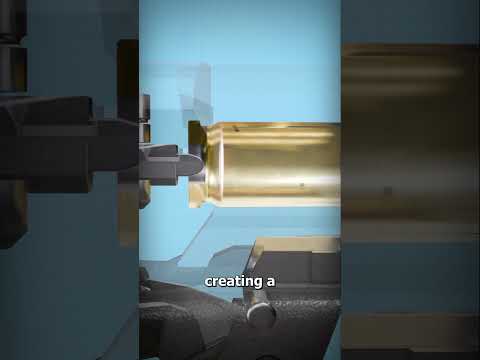
The most common term for a bullet that doesn’t fire is a dud. It’s a frustrating and potentially dangerous situation that can occur with any firearm. A dud, also sometimes referred to as a misfire or failure to fire, signifies that the trigger was pulled, and the expected sequence of events – ignition of the primer and powder, leading to the projectile being propelled down the barrel – simply didn’t happen. But what causes a dud, and what other terms relate to ammunition malfunctions? Let’s dive into the details and explore the nuances of these terms.
Understanding the Dud
A dud round isn’t just an inconvenience; it’s a warning sign. It indicates a problem, either with the ammunition itself or potentially with the firearm. Handling dud rounds requires careful attention to safety protocols, as the cartridge may still be live and could potentially detonate unexpectedly. Always follow proper procedures for deactivating and safely disposing of dud ammunition.
Common Causes of Duds
Several factors can contribute to a misfire. Here are some of the most frequent culprits:
- Faulty Primer: The primer is a small, impact-sensitive explosive contained within the base of the cartridge. If the primer is defective, contaminated, or has been improperly stored, it may fail to ignite the powder charge when struck by the firing pin.
- Insufficient Powder: A cartridge may contain an insufficient amount of gunpowder or the gunpowder may have degraded over time, resulting in an inadequate explosion to propel the bullet.
- Contamination: Moisture, oil, or other contaminants can seep into the cartridge, affecting the primer or powder and preventing ignition.
- Firing Pin Issues: The firearm itself may have a problem, such as a worn, broken, or dirty firing pin that doesn’t strike the primer with sufficient force.
- Improper Seating: If the bullet or primer is not correctly seated in the casing it may cause a failure to fire.
Related Terminology: Beyond the Dud
While “dud” is the most common term, other words describe different types of ammunition malfunctions and related concepts.
- Misfire: Often used interchangeably with “dud,” a misfire specifically refers to the failure of the cartridge to ignite when the trigger is pulled and the firing pin strikes the primer.
- Failure to Fire: Again, very similar to a dud or misfire. It is a general term to describe that the firearm did not discharge when it was expected.
- Squib Load (or Squib): This occurs when the primer ignites the powder, but there’s insufficient force to propel the bullet fully out of the barrel. The bullet gets stuck, creating a dangerous obstruction. Firing another round after a squib can cause catastrophic damage to the firearm and serious injury to the shooter.
- Hangfire: This is a delayed ignition. The trigger is pulled, the firing pin strikes, but there’s a noticeable delay before the cartridge fires. Hangfires can be extremely dangerous, as the shooter might instinctively open the action, exposing them to a potentially delayed explosion.
- Click-Bang: Similar to a hangfire, but in this instance, the delay leads to a full on discharge of the firearm.
Understanding Cartridges and Their Components
To fully grasp the concept of a dud, it’s helpful to understand the components of a cartridge:
- Cartridge/Round: This is the complete unit, consisting of the case, primer, powder, and bullet.
- Case: Usually made of brass, but can also be steel or aluminum, the case holds all the other components together.
- Primer: A small, impact-sensitive explosive in the base of the case that initiates the ignition process.
- Powder (Propellant): The explosive substance that, when ignited, generates gas pressure to propel the bullet.
- Bullet (Projectile/Slug): The actual projectile that is fired from the firearm.
Safe Handling of Duds
The most important thing is safety. Treat every dud as if it could still detonate. Here’s a safe approach:
- Keep the Muzzle Pointed in a Safe Direction: Maintain muzzle awareness at all times.
- Wait: Follow your range safety officer’s instructions and your weapons standard operating procedures. Generally 30-60 seconds is advised to account for a potential hangfire.
- Carefully Extract the Cartridge: Gently remove the cartridge from the firearm, following established safety procedures.
- Inspect the Cartridge: Look for any visible signs of damage or contamination.
- Proper Disposal: Do not attempt to reuse a dud. Follow the range’s or your local authority’s guidelines for safe disposal of ammunition.
- Seek Professional Help: If you are unsure about the cause of the dud or how to handle it safely, consult a qualified gunsmith or firearms instructor.
FAQs: All About Bullets That Don’t Fire and Related Concepts
Here are some frequently asked questions to further clarify the topic:
What do you call an unfired bullet?
Technically, an unfired “bullet” is called a cartridge or a round. The term “bullet” refers specifically to the projectile, while the cartridge encompasses the entire assembly: case, primer, powder, and bullet.
What is an empty bullet called?
An empty “bullet” casing is called a spent casing or a fired case. If it is loaded but does not contain a projectile, it is most commonly referred to as a blank.
What is a blank shot?
A blank shot is a cartridge that contains gunpowder but lacks a bullet. It produces a loud noise and muzzle flash but doesn’t fire a projectile.
What is a silent bullet?
There is no such thing as a truly “silent” bullet. However, subsonic ammunitions are designed to travel below the speed of sound, reducing the noise associated with the supersonic shockwave.
Where Do Bullets Go When Fired Into The Air?
What goes up, must come down! Bullets fired into the air can travel considerable distances and pose a significant danger when they eventually fall back to earth. The trajectory and distance depend on the angle of fire, the type of firearm, and environmental conditions.
What are ghost bullets?
“Ghost bullets” is a term sometimes used informally to describe malfunctions or ammunition with unexpected behavior. It can also refer to ghost guns which are firearms without serial numbers.
Is there such a thing as ghost bullets?
While the term “ghost bullets” is often used anecdotally, it usually refers to ammunition malfunctions, or to ghost guns which are untraceable firearms.
What is a dum bullet?
A “dum-dum bullet” (also called an expanding bullet) is a type of bullet designed to expand upon impact, causing a larger wound. They are generally prohibited for use in warfare under international agreements due to their excessive wounding potential.
What are soft bullets called?
“Soft bullets” are generally called soft-point bullets. These have a jacketed design with a soft metal core exposed at the tip, designed for controlled expansion on impact.
Can a bullet go off if you drop it?
While highly unlikely, it’s theoretically possible for a bullet to detonate if dropped in a way that impacts the primer with sufficient force on a hard surface. Proper handling and storage are essential to minimize this risk.
What is a strange bullet?
A “stray bullet” is a bullet that unintentionally strikes a target other than the intended one, often resulting in accidental injury or damage.
What happens if a bullet doesn’t fire?
If a bullet doesn’t fire, it’s called a dud, misfire, or failure to fire. The shooter should follow safe handling procedures to clear the firearm and dispose of the cartridge properly.
What is a squib bullet?
A squib bullet, also known as a squib load, is a malfunction where the bullet becomes lodged in the barrel due to insufficient powder charge.
Why don’t bullets explode?
Bullets themselves don’t explode; it’s the gunpowder inside the cartridge that burns rapidly, creating pressure to propel the bullet.
Can a blank bullet hurt someone?
Yes, blank bullets can be dangerous, especially at close range. The hot gases and wadding expelled from the cartridge can cause serious injury or even death.
Conclusion
Understanding the terminology surrounding ammunition malfunctions, especially the term “dud,” is crucial for safe firearm handling. By recognizing the causes of misfires, following proper safety procedures, and being aware of related terms like squib loads and hangfires, you can minimize risks and ensure a safer shooting experience. If you are interested in learning more about the intersection of games and education, check out the Games Learning Society at GamesLearningSociety.org. Remember to always prioritize safety and seek professional guidance when needed.