What is a Dragon Classified as in D&D?
Fast answer first. Then use the tabs or video for more detail.
- Watch the video explanation below for a faster overview.
- Game mechanics may change with updates or patches.
- Use this block to get the short answer without scrolling the whole page.
- Read the FAQ section if the article has one.
- Use the table of contents to jump straight to the detailed section you need.
- Watch the video first, then skim the article for specifics.
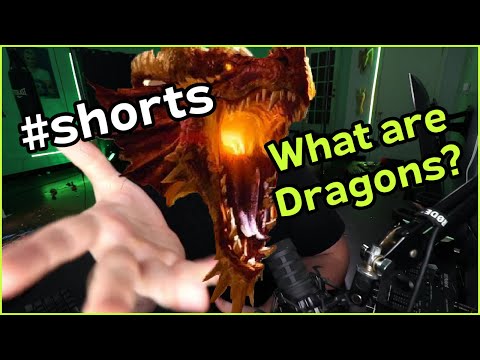
In Dungeons & Dragons (D&D), a dragon is primarily classified as a creature type: Dragon. This designation signifies a being of immense power, inherent magical abilities, and a reptilian heritage. However, it’s crucial to understand that “Dragon” is far more than just a label; it represents a vast spectrum of creatures with varying alignments, capabilities, and roles within the game world. Dragons are not considered beasts in D&D, setting them apart from ordinary animals.
Understanding the Dragon Type
The “Dragon” creature type encompasses a wide array of draconic beings. These creatures are typically characterized by their:
- Reptilian Appearance: Dragons are generally large, reptilian creatures, often possessing scales, wings, and sharp claws and teeth. However, their physical forms can vary significantly between different dragon species.
- Magical Abilities: Magic is intrinsic to a dragon’s being. They often possess innate spellcasting abilities or can channel magical energy through their breath weapons or other draconic powers.
- Intelligence and Wisdom: Dragons are rarely simple-minded beasts. Most dragons are intelligent and cunning, capable of complex thought, strategy, and even erudition.
- Alignment: Dragons exhibit a wide range of moral alignments, from the benevolent gold dragons to the malevolent red dragons. Alignment often influences their behavior, motivations, and interactions with other creatures.
Types of Dragons
Within the Dragon type, dragons are further categorized, most commonly by color or metallic type, which often indicates their alignment and elemental affinity:
Chromatic Dragons
These dragons are typically evil and associated with specific elemental powers:
- Red Dragons: Known for their greed, arrogance, and fiery breath.
- Black Dragons: Cruel, swamp-dwelling dragons with acidic breath.
- Green Dragons: Deceptive and manipulative forest dwellers with poisonous breath.
- Blue Dragons: Territorial and cunning desert dragons with lightning breath.
- White Dragons: The smallest and least intelligent chromatic dragons, inhabiting icy regions and wielding cold breath.
Metallic Dragons
These dragons are generally good and associated with specific metals and associated powers:
- Gold Dragons: The most powerful and wise of the metallic dragons, known for their shape-shifting abilities and dedication to good.
- Silver Dragons: Friendly and sociable dragons who often take human form to interact with mortals.
- Bronze Dragons: Inquisitive dragons who enjoy observing and interacting with humanoid civilizations, typically near coastal areas.
- Copper Dragons: Playful and mischievous dragons with a penchant for jokes and riddles.
- Brass Dragons: Talkative dragons who enjoy conversing with others and often seek out information.
Beyond Color: Other Draconic Classifications
While color and metal are common classifiers, other characteristics can define dragons:
- Age: Dragons grow in power and size with age, progressing through stages like wyrmling, young, adult, and ancient.
- Environment: A dragon’s habitat can influence its behavior and abilities.
- Specific Abilities: Some dragons possess unique powers or mutations that distinguish them from others of their type.
Dragons in D&D Editions
It’s important to note that specific details regarding dragons, such as their abilities, stats, and lore, can vary slightly between different editions of D&D. Understanding the specific rules and lore of the edition you’re playing is crucial for accurate gameplay.
For more information on games and learning, visit the Games Learning Society at GamesLearningSociety.org.
Frequently Asked Questions (FAQs) About Dragons in D&D
1. Are all dragons evil?
No. While chromatic dragons are typically evil, metallic dragons are generally good. There are also neutral dragons, such as crystal dragons, who are mainly concerned with knowledge and wisdom, exhibiting neither inherent good nor evil traits.
2. What is the most powerful dragon in D&D?
This is a matter of debate and often depends on the edition of D&D. However, entities like Tiamat (the chromatic dragon goddess) and Bahamut (the metallic dragon god) are considered among the most powerful. Io, the dragon god, is considered the most powerful dragon in the D&D universe.
3. Can dragons be player characters (PCs)?
Yes, depending on the D&D edition and the DM’s (Dungeon Master’s) allowance. Some editions have classes or supplements that allow players to play as dragons or draconic creatures. Dragonborn, a humanoid race with draconic ancestry, are a common and readily available player option.
4. What are common dragon weaknesses?
Specific weaknesses vary by dragon type and D&D edition. However, common weaknesses can include vulnerabilities to certain damage types (like cold for red dragons) or lower Dexterity scores. Knowing the creature’s stat block is imperative.
5. What is a dragon’s breath weapon?
A dragon’s breath weapon is a cone or line of elemental energy they can exhale, dealing damage to creatures within the area. The type of damage depends on the dragon’s type (e.g., fire for red dragons, acid for black dragons).
6. Do dragons hoard treasure?
Many dragons, particularly chromatic dragons, are known for their greed and tendency to hoard vast treasures, which they guard fiercely. They are often driven by the acquisition of wealth, art, and knowledge.
7. How does age affect a dragon?
A dragon’s age significantly impacts its size, power, abilities, and even its personality. As dragons age, they gain hit dice, spells, and other power abilities.
8. What is a wyvern? Is it a dragon?
A wyvern is a reptilian creature that is related to dragons, but not considered a true dragon. Wyverns are typically less intelligent and lack the magical abilities of true dragons.
9. What is a dragonborn?
Dragonborn are a humanoid race with draconic ancestry. They often possess scales, breath weapons, and other draconic features, but are generally smaller and less powerful than true dragons.
10. What is the typical alignment of a gold dragon?
Gold dragons are almost always lawful good. They are dedicated to fighting evil and upholding justice.
11. What are some notable dragon-slaying weapons or items?
Many magical weapons and items are designed for dragon slaying, often dealing extra damage to dragons or providing resistance to their breath weapons. Examples include Dragon Slayer swords, dragonsbane arrows, or armor with resistance to elemental damage.
12. Are dragons immune to all types of damage?
No. While dragons often possess resistances or immunities to certain damage types (e.g., fire resistance for red dragons), they are not immune to all damage.
13. What role do dragons typically play in D&D campaigns?
Dragons can serve a variety of roles in D&D campaigns, including:
- Antagonists: As powerful and intelligent foes, dragons make formidable villains.
- Allies: Good-aligned dragons can aid player characters in their quests.
- Quest Givers: Dragons may offer quests in exchange for treasure or favors.
- Guardians: Dragons may guard ancient sites or powerful artifacts.
14. Are there any dragons that live underwater?
Yes, certain dragon types, like bronze dragons and some sea dragons, are known to inhabit coastal regions and underwater environments.
15. How does one successfully slay a dragon in D&D 5e?
Slaying a dragon in D&D 5e requires careful planning, powerful weapons, and tactical prowess. Key strategies include exploiting their weaknesses (such as lower Dexterity), using spells that bypass their resistances, and focusing fire on a single target. Teamwork and resource management are crucial for success.