What is a Good Drow in D&D?
Fast answer first. Then use the tabs or video for more detail.
- Watch the video explanation below for a faster overview.
- Game mechanics may change with updates or patches.
- Use this block to get the short answer without scrolling the whole page.
- Read the FAQ section if the article has one.
- Use the table of contents to jump straight to the detailed section you need.
- Watch the video first, then skim the article for specifics.
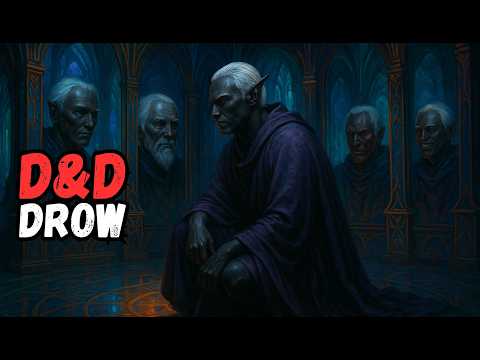
A good drow in Dungeons & Dragons is a rare exception, an individual who has consciously rejected the malevolent, spider-worshipping society of the Underdark and embraces a path of altruism and empathy. This isn’t simply a matter of alignment; it’s a profound rebellion against the ingrained cultural norms of their race, a difficult and often dangerous choice. A good drow actively works against the values of Lolth, the spider queen, and often aligns themselves with principles of good, such as compassion, justice, and selflessness. This path is fraught with challenges, both internal and external, making their existence a constant struggle against deeply rooted prejudices and the threat of reprisal from their own kind. Essentially, a good drow is defined by their actions and values, not their heritage.
The Challenge of Being a Good Drow
Overcoming Cultural Conditioning
Drow society is a matriarchal theocracy ruled by priestesses of Lolth. From birth, drow are indoctrinated with values of cruelty, ambition, and a ruthless pursuit of power. Breaking free from this programming is no easy feat. A good drow must confront and dismantle the ingrained prejudices they have been taught, developing a strong sense of personal morality that conflicts directly with everything they’ve ever known. This involves a constant battle against their own internal biases and instincts.
External Prejudice and Mistrust
Even if a drow manages to escape the clutches of their own society, they are not met with open arms by the surface world. Drow are universally feared and hated, a reputation earned by centuries of raiding and enslavement by their evil counterparts. A good drow is subject to constant suspicion and mistrust, often being judged not by their actions but by their race. This prejudice can make it incredibly difficult for them to form alliances and find acceptance, forcing them to be exceptionally careful about who they trust.
The Danger of Detection
Even the most dedicated good drow must live with the constant fear of discovery by their former kin. Lolthite society is extremely ruthless towards those deemed traitors, with punishments usually involving torture and ritual sacrifice. A drow who has renounced their evil ways is at constant risk of being hunted down, not just by their own family but by any other Lolthite drow seeking to gain favour with their Spider Queen. This forces them to live a life of secrecy, or at least to choose very carefully where they operate.
The Inner Struggle
The inherent nature of drow – especially those who are not surface born – are naturally attuned to the Underdark and its darkness, which is in many ways an embodiment of evil. A good drow must confront that innate inclination, and struggle daily with a system built around ruthlessness. It’s not just the external challenges that weigh on them; the internal struggle with their heritage is a constant battle. They must fight against their instincts and learn to embrace a new path, one that goes directly against their very nature. This internal conflict is what makes their journey so compelling.
Examples of Good Drow
Drizzt Do’Urden
Perhaps the most famous example of a good drow is Drizzt Do’Urden, the iconic ranger from the Forgotten Realms setting. Drizzt’s unwavering commitment to good, despite the immense prejudice he faces, has made him a beloved character. His story illustrates the struggles and triumphs of a drow who chooses a better path, inspiring hope and demonstrating that a creature’s inherent nature does not dictate their future.
Followers of Eilistraee
In the Forgotten Realms, the followers of Eilistraee, the drow goddess of good, are a significant group of good drow. These drow are dedicated to music, dance, and the pursuit of good, actively opposing Lolth and her followers. Eilistraee provides a beacon of hope for drow who seek an alternative to the cruel doctrines of their society.
Other Good Drow Characters
While Drizzt and the Eilistraeen drow are the most well-known examples, other good drow characters exist, each with their own unique story. These characters might be solitary individuals, outcasts, or even leaders in their own right. The common thread is their rejection of evil and their dedication to a more compassionate way of life.
Playing a Good Drow
Playing a good drow is a unique and rewarding experience. It offers a chance to explore themes of redemption, prejudice, and the power of choice. Here are a few things to consider when creating a good drow character:
Establishing a Backstory
Develop a detailed backstory that explains why your drow chose the path of good. What event or realization made them turn against Lolth? How did they manage to escape their society? What are their hopes and dreams? These questions will inform their actions and motivations.
Embracing the Struggle
Playing a good drow is not easy; it’s about embracing the inherent challenges and the constant push and pull between their heritage and their chosen path. Be prepared to face skepticism and distrust from other characters. Let this guide your role-playing, and how your character responds to each situation.
Finding Allies
Building meaningful connections with other characters is important for a good drow. Finding allies who are willing to look past your race can provide you with the support and acceptance you need to continue your journey. Think about what characteristics would make someone more likely to trust you, and act accordingly.
Exploring Internal Conflict
Don’t shy away from exploring the internal conflict your drow faces. How do they react to their innate drow abilities? Do they ever struggle with the desire for power or cruelty? These internal conflicts can create powerful and dramatic moments.
Conclusion
A good drow is a powerful symbol of hope in the often-dark world of D&D. Their existence challenges the idea of inherent evil and demonstrates that even those born into darkness can choose to embrace the light. While the path of a good drow is fraught with peril, the potential for redemption and the triumph of good over evil make their story a compelling and rewarding one. The next time you roll up a new character, think about the complexity and impact of playing a drow that chooses good and you may find a whole new depth to the game.
Frequently Asked Questions (FAQs)
1. Can a Lolth-sworn drow be good?
It’s exceptionally rare, but yes, it’s possible. A drow raised in a society completely devoted to Lolth can, through a significant and transformative experience, begin to question and eventually reject their upbringing. However, this often requires extraordinary circumstances and significant personal change, representing a profound deviation from their indoctrinated ways. It is a monumental challenge.
2. Are there more good drow in 5th edition than previous editions?
The core lore remains consistent in 5e. While the possibility of good drow is acknowledged, they remain the exception rather than the rule. The focus continues to be on the struggles and inherent difficulties they face due to the entrenched malevolence of drow society. While some might argue for a more nuanced approach, good drow are always a minority.
3. Do good drow still have sunlight sensitivity?
Yes. Sunlight sensitivity is a racial trait of drow, not a moral one. It remains, regardless of alignment. A good drow will still have disadvantage on attack rolls and Wisdom (Perception) checks relying on sight while in direct sunlight. This can be a significant gameplay challenge.
4. Are there any special classes for good drow?
There are no classes specifically designed for good drow. The class choice should be made based on individual character’s background and goals. However, a class with a strong emphasis on compassion or healing could be a good thematic fit. Think cleric, druid or paladin in the appropriate alignment.
5. Can a good drow worship a god other than Eilistraee?
Yes. While Eilistraee is the primary deity of good drow, they can worship any god that aligns with their values. This could include deities of healing, justice, or nature. A non-drow deity can be especially symbolic for a drow seeking to completely reject the influence of Lolth and her followers.
6. How do other races react to a good drow?
With suspicion and mistrust, almost universally. The drow’s reputation for cruelty precedes them. A good drow will often need to prove their intentions to gain acceptance, even with typically compassionate races. This suspicion provides good roleplay opportunities.
7. Are there any specific challenges in roleplaying a good drow?
Yes. Balancing the inherent traits of their race with their chosen morality is a constant challenge. A good drow might need to actively suppress their more cruel instincts, constantly reminding themselves of the path they have chosen. Internal struggle is key.
8. Do good drow get along with other elves?
Not necessarily. Even surface elves may harbor deep prejudices against drow, regardless of their good nature. Wood elves especially may dislike the drow due to their destructive history. A good drow must work hard to earn their trust.
9. Can good drow coexist in a party of evil adventurers?
This is a difficult scenario. It would require very compelling circumstances and a high degree of tolerance from the evil characters. The good drow would constantly face internal conflict and have to work hard to rationalize or compromise with the group.
10. Are male good drow more accepted than female good drow?
Not necessarily. In a drow society, females hold a higher position. However, surface societies may be equally distrustful of both genders. For both, the biggest hurdle is their reputation. Gender is secondary to race.
11. Do good drow prefer to use different weapons?
While they are proficient with rapiers, shortswords, and hand crossbows, they might choose to forgo those weapons based on their alignment. It depends on the character. This could open up other weapon choices, to further separate themselves.
12. What motivates a good drow?
Their primary motivation is usually the desire to make a difference in the world, to prove that not all drow are evil. They also seek personal redemption and acceptance, to create a new path for themselves that is free from the evils they left behind.
13. Are half-drow more likely to be good?
Half-drow are not inherently good or evil. They are simply more likely to be exposed to a wider range of influences due to their mixed heritage. This could lead them to either good or evil, with greater opportunity for individual choice.
14. Do good drow have any unique abilities?
Other than the usual drow traits, they don’t possess unique abilities simply by being good. Their unique strength lies in their inner resilience, and the exceptional choices they make. Their actions often outweigh their abilities.
15. Is playing a good drow a challenging experience for a new player?
Playing a good drow is challenging for any player. Their unique challenges and conflicts require consistent roleplaying, knowledge of lore, and an ability to react to the world and its inhabitants as it treats them differently. This is particularly true for a good aligned drow and can be difficult for a newer player to grasp. It is recommended that new players gain some experience first.