What is a True Final Boss?
Fast answer first. Then use the tabs or video for more detail.
- Watch the video explanation below for a faster overview.
- Game mechanics may change with updates or patches.
- Use this block to get the short answer without scrolling the whole page.
- Read the FAQ section if the article has one.
- Use the table of contents to jump straight to the detailed section you need.
- Watch the video first, then skim the article for specifics.
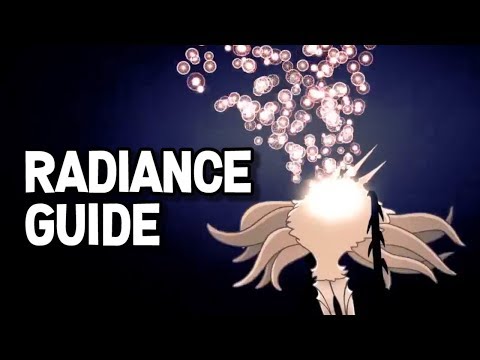
A true final boss isn’t just the last enemy you encounter in a game’s main storyline. It’s a distinct encounter, often occurring after the primary narrative’s climax, designed to push players to their absolute limits. This encounter serves as a culmination of everything the player has learned throughout the game. It often requires not only mastery of core mechanics, but also strategic thinking and sometimes even specific preparation outside the immediate battle. Unlike a standard final boss who usually serves as the narrative conclusion, a true final boss is an optional challenge, demanding commitment, skill, and often a completion of secondary goals or hidden objectives. The reward is usually substantial, providing a sense of profound accomplishment and often unlocking special in-game content. In essence, the true final boss is the ultimate test of a player’s skill and dedication, often exceeding the difficulty of the game’s primary antagonist.
Defining a True Final Boss
Beyond the Story Climax
The distinction between a final boss and a true final boss is crucial. The final boss typically represents the culmination of the main plot, their defeat signals the end of the game’s primary storyline and often provides a satisfying conclusion. The true final boss, however, exists outside the main narrative arc. Their existence is usually hinted at or discovered through exploration, side quests, or meeting specific requirements. The true final boss is not essential to “beating” the game, but their defeat often marks a deeper level of achievement for committed players.
Difficulty and Design
A defining feature of a true final boss is its difficulty. They are frequently designed to be significantly harder than any other encounter in the game, sometimes even requiring the player to utilize previously overlooked mechanics. They’re not meant to be unbeatable, but rather a challenge that pushes the player to the absolute edge of their abilities. This difficulty isn’t arbitrary; it’s often coupled with complex attack patterns, multiple phases, and unique vulnerabilities that demand strategic understanding rather than brute force. A true final boss fight should feel like the ultimate culmination of a player’s journey in the game, requiring everything they’ve learned. This feeling of accomplishment is a vital element in the nature of a true final boss.
Requirements and Accessibility
Reaching a true final boss often involves completing all optional content or meeting very specific conditions. This could mean completing every side quest, finding hidden items, achieving certain milestones, or even beating other difficult bosses. In some games, accessing the true final boss is itself a puzzle that needs to be solved. This hidden element enhances the feeling that the true final boss is something special, a reward for players who have thoroughly explored and engaged with every aspect of the game.
Rewards and Significance
The reward for defeating a true final boss extends beyond simply “beating” the game. Often the rewards for this fight come in the form of unique items, powerful gear, access to previously inaccessible areas, or even a secret ending that provides a deeper understanding of the game’s world. The fight acts as an ultimate challenge but also adds to the lore or value of replaying a game. Defeating a true final boss is about more than just skill; it’s about dedication, exploration, and a full embrace of the game’s mechanics.
Frequently Asked Questions (FAQs)
1. Is every game’s final boss also the true final boss?
No. The final boss is the end-of-story fight. A true final boss is often an optional fight hidden behind extra challenges and requirements. Many games may not even have a true final boss.
2. What makes a final boss ‘good’?
A good final boss is challenging but achievable, and it tests everything the player has learned throughout the game. The fight should be engaging, with varied attacks and phases, and it shouldn’t feel unfairly difficult or like a total party kill scenario.
3. What is a boss rush?
A boss rush is a game mode or segment where players face multiple previously defeated bosses in succession. It’s a test of endurance and consistency, but it is not the same thing as a true final boss fight.
4. Can a game have multiple true final bosses?
While rare, a game could technically have multiple true final bosses, provided they meet the criteria: they are optional, challenging, require specific steps to access, and occur after the main narrative concludes.
5. Is the difficulty of a true final boss always extremely high?
Yes, generally, a true final boss will be significantly more difficult than the standard final boss. However, a well-designed fight is challenging but ultimately beatable with mastery of the game’s mechanics and some strategy.
6. Do true final bosses always have unique lore or backstory?
Often, true final bosses have unique lore or a backstory that isn’t fully explored in the main story, rewarding dedicated players who look deeper into the game’s world. This can include a hidden motive, an origin or history not previously mentioned in the game.
7. Does a true final boss always have a secret ending associated with it?
Not always, but defeating a true final boss often unlocks special content, such as a secret ending or additional story elements, which provide a deeper understanding of the game’s lore or characters.
8. Does the true final boss fight need to have multiple phases?
While not mandatory, many true final boss encounters utilize multiple phases with different attack patterns and challenges. This allows the fight to remain engaging and unpredictable for players.
9. What is a ‘perfect boss’?
A ‘perfect boss’ is subjective, but it generally implies a balance between difficulty and fairness. They must be a good challenge while also using interesting mechanics, visuals, and sometimes some lore.
10. What is the meaning of a final boss?
A final boss is often the main antagonist of a game’s story. Defeating them usually leads to the game’s positive conclusion and completion of the main narrative thread.
11. Is Sephiroth a true final boss?
Sephiroth is a boss in Final Fantasy VII, and the main final boss of the game. He is also fought in a later phase after his “final form” but can be viewed as the game’s main villain and final boss. In other games, he might be encountered as a very difficult side boss, fitting the true final boss criteria.
12. What are some examples of true final bosses?
One notable example would be the Nameless Puppet in Lies of P, who is only fought after defeating the main final boss. This particular boss is designed to be far harder than the main boss. There are many other examples across many games that may require completion of the base game as well as additional content before being encountered.
13. Is it okay for a true final boss to be extremely difficult to defeat?
Yes, a true final boss is designed to be very challenging. They test the player’s mastery of the game’s mechanics, requiring skill and strategy rather than luck, sometimes including memorization of their attacks.
14. What kind of rewards can you get for beating a true final boss?
Rewards can vary widely, including access to exclusive areas, special equipment, unique character costumes, or even a secret ending or additional story content that enriches the game experience.
15. Is a dominant boss a good boss?
A dominant boss, in the sense of being assertive, proactive, and goal-oriented, can be effective. However, being a ‘dominant boss’ does not always align with being a ‘good boss’. A good boss is one who leads and empowers their team without being overly aggressive or authoritarian. Balance is key.
In conclusion, the true final boss is more than just another challenging fight; it’s a testament to a player’s dedication and mastery of the game. It’s a special encounter that provides a satisfying capstone to the gaming experience, rewarding those who seek the ultimate challenge and complete exploration of the game world.