Runic vs. Strength: Forging the Ultimate God of War
Fast answer first. Then use the tabs or video for more detail.
- Watch the video explanation below for a faster overview.
- Game mechanics may change with updates or patches.
- Use this block to get the short answer without scrolling the whole page.
- Read the FAQ section if the article has one.
- Use the table of contents to jump straight to the detailed section you need.
- Watch the video first, then skim the article for specifics.
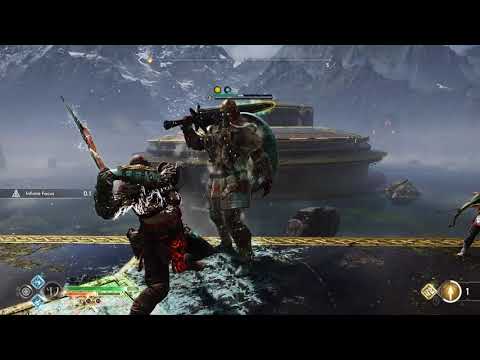
In the God of War universe, deciding between prioritizing Runic or Strength stats is a classic dilemma. The simple truth? Neither is inherently “better.” The optimal build is a balanced approach, leveraging both to maximize Kratos’s combat prowess. A pure Strength build might falter against heavily armored foes or in realm challenges, while a pure Runic build can leave you vulnerable during cooldowns. You need both: Strength for consistent damage and Runic for devastating special attacks and elemental effects. Let’s delve deeper.
The Power of Strength: Raw, Unadulterated Fury
Strength, in its simplest form, boosts the damage of Kratos’s regular attacks. This includes light attacks, heavy attacks, and combos. It’s the foundation of any melee-focused playstyle. A high Strength stat ensures that every strike lands with significant impact, making it efficient for dispatching weaker enemies and chipping away at the health bars of tougher ones. A common approach is to upgrade the skills that are strength based.
Benefits of Focusing on Strength
- Consistent Damage Output: Strength provides a reliable and steady stream of damage, crucial for sustained combat.
- Effective for All Enemy Types: While some enemies are resistant to elemental damage, nearly all are vulnerable to raw physical force.
- Simplified Playstyle: Strength-based builds are often easier to manage, focusing on basic attacks and combos rather than complex Runic attack rotations.
- Stagger Power: Increased Strength can lead to enemies staggering more easily, creating opportunities for further attacks.
Unleashing the Arcane: The Might of Runic
Runic, on the other hand, enhances the damage of Runic attacks (L1 + R1/R2) and elemental damage. This includes frost, fire, shock, and light elemental damage. It’s your gateway to unleashing powerful abilities that can turn the tide of battle. Think of it as a high-risk, high-reward approach.
Benefits of Focusing on Runic
- Burst Damage Potential: Runic attacks can inflict massive damage in a short amount of time, ideal for taking down bosses and elite enemies.
- Crowd Control: Many Runic attacks have area-of-effect (AoE) capabilities, making them highly effective against groups of enemies.
- Elemental Effects: Runic enhances elemental damage, inflicting status effects like burning, freezing, and shocking, debilitating enemies.
- Versatility: With a wide array of Runic attacks to choose from, you can customize your loadout to suit different combat situations.
The Synergistic Sweet Spot: Why You Need Both
The true power lies in combining Strength and Runic. Consider it a symbiotic relationship. Strength provides the consistent damage you need while Runic attacks are on cooldown. Runic attacks provide the burst damage and crowd control to supplement your basic attacks. A healthy balance creates a well-rounded and adaptable combatant.
How to Achieve Balance
- Assess Your Playstyle: Do you prefer a more aggressive, melee-focused approach, or do you favor a more tactical, ability-driven style?
- Experiment with Gear: Mix and match armor and enchantments to find a balance that suits your preferences. Some gear provides a boost to both Strength and Runic, while others specialize in one or the other. Giptumadr’s Set is often a solid choice for a balanced Runic build.
- Upgrade Strategically: Invest in upgrades that enhance both Strength and Runic. Don’t neglect one in favor of the other.
- Consider Enemy Types: Adjust your build based on the enemies you’re facing. If you’re fighting enemies resistant to elemental damage, prioritize Strength. If you’re facing a horde of weaker enemies, focus on Runic attacks for crowd control.
FAQs: Delving Deeper into Strength and Runic
1. What’s the most important stat in God of War?
While Strength, Runic, and Luck are crucial, Strength and Runic generally take priority. They directly influence your damage output, making them essential for progressing through the game. Luck is great for increasing rewards and proc chances, but it’s secondary to your raw combat abilities.
2. Does Strength affect Runic attacks?
No, Strength does not directly affect the damage of Runic attacks. Strength only impacts your standard attacks. Runic stats are crucial for skills and elemental abilities.
3. Is Runic important in God of War?
Absolutely. Runic determines the damage dealt by your Runic attacks and elemental effects. It’s essential for dealing burst damage, crowd control, and inflicting status effects. The higher your Runic stat, the more potent your elemental abilities become, including Atreus’s arrows.
4. What’s the best Runic attack for Kratos?
This is subjective and depends on your playstyle, but Njord’s Tempest is a generally reliable and versatile option. It provides excellent crowd control and can get you out of tight spots. The Wrath of the Frost Ancient is great for damage. The best heavy runic blade is “Tame the Beast”.
5. Which Atreus Runic Summon is the best?
The Wrath Of The Wolf is considered the highest damage summon for Atreus. It summons three spectral wolves that pounce on enemies.
6. Is Runic or Strength better in God of War Ragnarok?
As stated earlier, both are essential. You need Strength for consistent damage and Runic for burst damage and elemental effects. Aim for a balanced build.
7. What’s the best light Runic attack?
For your Light Runic slot, Wrath of the Frost Ancient is a top contender. This attack fires a freezing beam that deals insane damage.
8. What’s the best rune set in God of War Ragnarok?
Giptumadr’s Set is often considered the best for Runic builds. It offers bonuses to Strength, Defense, Runic, and Luck, and its Fortune’s Refresh skill has a chance to immediately restore 70% of a Runic Attack or Relic’s cooldown.
9. What’s a good example of a pure Runic build?
A pure Runic build would focus on armor and enchantments that maximize the Runic stat, along with Runic attacks that synergize well. This might include:
- Armor: Giptumadr’s Set or similar Runic-focused gear.
- Enchantments: Enchantments that boost Runic and elemental damage.
- Runic Attacks: Njord’s Tempest (Light), Ivaldi’s Anvil (Heavy), Fire of Ares, Rampage of the Furies, Hel’s Touch.
10. Is it possible to max out all stats in God of War?
Yes, but it requires save-scumming to get the right RNG on enchantments and collecting every Yggdrasil dew droplet in both your main run and NG+.
11. Does Luck affect Runic attacks?
Indirectly, yes. Luck increases the probability of certain abilities triggering, which can include effects associated with Runic attacks, such as status effects or cooldown reduction.
12. Where can I find strong Runic attacks?
Strong Runic attacks are found in Legendary Chests throughout the game. Some are tied to specific locations, while others are acquired through completing quests or defeating bosses. Leviathan’s Wake is found in Veithurgard.
13. How does Runic affect Atreus?
Runic also affects Atreus’ light and shock arrows. The higher Kratos’s Runic stat, the more powerful Atreus’s elemental arrows become.
14. How tall is Kratos?
Kratos’ height is debated, with early scripts listing him as 6 feet 6 inches tall, while some sources claim he’s closer to 7 feet 6 inches in the comic books and about 6 feet 4 inches in the game.
15. Is Hel’s Touch a good Runic attack?
Hel’s Touch is a solid choice, particularly for its stun-locking capabilities, despite not dealing the most damage.
Mastering the God of War: A Holistic Approach
Ultimately, mastering God of War isn’t about choosing between Strength and Runic. It’s about understanding how they work together and crafting a build that complements your playstyle and the challenges you face. A well-rounded Kratos, equally proficient in raw physical combat and arcane abilities, is a force to be reckoned with.
Remember, games like God of War offer rich learning experiences, fostering problem-solving skills and strategic thinking. To further explore the intersection of gaming and education, consider visiting the Games Learning Society at https://www.gameslearningsociety.org/ for valuable insights and resources.