Understanding PvE in Minecraft: A Comprehensive Guide
Fast answer first. Then use the tabs or video for more detail.
- Watch the video explanation below for a faster overview.
- Game mechanics may change with updates or patches.
- Use this block to get the short answer without scrolling the whole page.
- Read the FAQ section if the article has one.
- Use the table of contents to jump straight to the detailed section you need.
- Watch the video first, then skim the article for specifics.
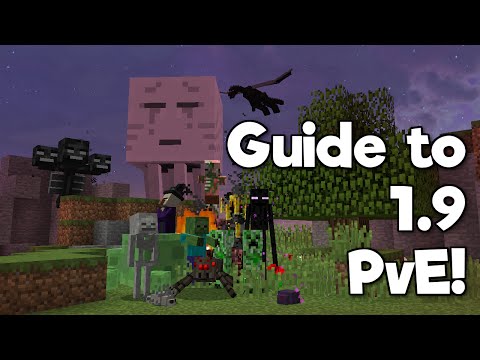
PvE in Minecraft stands for “Player versus Environment”. It refers to gameplay where the primary focus is on interacting with and overcoming challenges presented by the game’s world. This includes battling mobs (monsters), exploring dungeons, surviving environmental hazards, and completing tasks set by the game itself. It’s about testing your skills and strategy against the world around you, rather than against other players.
Delving Deeper into Minecraft’s PvE Experience
Minecraft, at its heart, is a game about creativity, exploration, and survival. The PvE element is integral to this experience, providing a constant stream of challenges and opportunities for growth. Unlike PvP (Player versus Player), where your adversaries are other people, PvE pits you against the game’s built-in systems and creatures.
Imagine yourself spawning into a brand new Minecraft world. The sun is shining, birds are chirping… but as dusk approaches, the familiar growls and moans of zombies and skeletons fill the air. This is the core of PvE in Minecraft. You must gather resources, build a shelter, craft weapons and armor, and develop strategies to survive the night.
This constant need for survival creates a compelling gameplay loop. Each day, you venture out to gather resources and expand your territory. Each night, you defend yourself against the relentless hordes of mobs. As you progress, you encounter tougher challenges, such as exploring dangerous caves filled with Creepers and spiders, or venturing into the Nether to face Ghasts and Piglins.
The beauty of Minecraft’s PvE lies in its versatility. You can choose to focus on different aspects of the game, depending on your preferences. Some players enjoy building elaborate defenses and automating their farms to maximize their chances of survival. Others prefer to explore the world, discovering hidden temples and ancient ruins. Still others focus on completing advancements, which are in-game challenges that guide players through the game’s various features.
Furthermore, the modding community has expanded the PvE possibilities immensely. Numerous mods add new mobs, biomes, dungeons, and even entire questlines, providing endless hours of fresh content. The vibrant community surrounding the Games Learning Society continues to explore these dynamics and provide deeper insights into the educational potential within game mechanics. Understanding how these interactions contribute to learning can be further explored at GamesLearningSociety.org.
The Contrast: PvE vs. PvP
Understanding the difference between PvE and PvP is crucial for appreciating the diverse gameplay experiences Minecraft offers. While PvE focuses on cooperation with the environment, PvP is about competition and direct conflict with other players.
- PvE: Your enemies are AI-controlled mobs and environmental hazards. Success depends on your individual skill, resourcefulness, and strategic planning. Collaboration with other players often involves building together, sharing resources, and defending against mobs as a team.
- PvP: Your enemies are other players. Success depends on your combat skills, tactical awareness, and ability to outmaneuver your opponents. Cooperation involves forming alliances and coordinating attacks.
Many Minecraft servers offer both PvE and PvP modes, allowing players to choose the style of gameplay that best suits their preferences. Some servers even combine the two, creating unique challenges where players must cooperate to survive against the environment while also remaining wary of potential attacks from other players.
Why PvE Matters in Minecraft
PvE in Minecraft is more than just surviving against monsters. It’s about:
- Problem-solving: You must constantly adapt to new challenges and devise creative solutions to overcome them.
- Resource Management: Efficiently gathering, storing, and utilizing resources is crucial for survival and progress.
- Strategic Planning: Thinking ahead, anticipating dangers, and developing long-term plans are essential for success.
- Collaboration (in multiplayer): Working together with other players to build, explore, and defend against threats fosters teamwork and communication skills.
- Learning game mechanics: PvE allows players to learn the intricacies of Minecraft’s crafting system, mob behaviors, and environmental interactions at their own pace.
In essence, PvE in Minecraft provides a dynamic and engaging learning environment that encourages players to develop valuable skills while having fun.
Frequently Asked Questions (FAQs) about PvE in Minecraft
1. What exactly constitutes a “mob” in Minecraft PvE?
In Minecraft, a “mob” is any living, moving entity. This encompasses everything from passive animals like cows and chickens to hostile creatures like zombies, skeletons, and Creepers. Understanding the behavior of different mobs is crucial for effective PvE gameplay.
2. How do I effectively defend myself against mobs in PvE?
Effective defense involves a combination of factors: building a secure shelter, crafting armor and weapons, using light to deter mobs, and strategically placing traps. Experimenting with different defense strategies is key to finding what works best for you.
3. What are the best strategies for exploring dangerous caves in PvE?
Prepare before entering a cave. Carry torches for light, weapons for combat, and food to replenish your health. Mark your path to avoid getting lost. Be cautious and always check corners for lurking mobs. Consider bringing a water bucket to negate fall damage.
4. What are some good resources for learning about Minecraft’s PvE mechanics?
The official Minecraft Wiki is a great resource for detailed information about mobs, crafting recipes, and game mechanics. YouTube channels dedicated to Minecraft often feature tutorials and gameplay tips for PvE. Additionally, engaging with the Minecraft community through forums and online groups can provide valuable insights and advice.
5. Can I play Minecraft PvE on different difficulty levels?
Yes, Minecraft offers several difficulty levels that affect the aggressiveness and damage output of mobs. Peaceful mode disables hostile mobs entirely, while Hard mode significantly increases the challenge. Choosing the appropriate difficulty level is essential for a balanced and enjoyable PvE experience.
6. What are some effective ways to farm resources in PvE?
Automated farms are a popular way to efficiently gather resources in Minecraft PvE. These farms use game mechanics and redstone contraptions to automatically harvest crops, collect mob drops, or mine resources.
7. How does food play a role in PvE survival?
Food is essential for replenishing your hunger bar, which affects your ability to sprint and regenerate health. Different foods provide varying amounts of saturation (how long the hunger bar stays full) and health restoration.
8. What are the Nether and the End, and how do they relate to PvE?
The Nether and the End are alternate dimensions in Minecraft that offer unique challenges and rewards. The Nether is a fiery underworld filled with dangerous mobs and valuable resources, while the End is the home of the Ender Dragon, the game’s final boss. Conquering these dimensions is a significant achievement in PvE gameplay.
9. How can I use redstone to enhance my PvE experience?
Redstone is a versatile material that can be used to create complex mechanisms and automated systems. You can use redstone to build traps, automated farms, security systems, and much more. Learning redstone can significantly enhance your PvE capabilities.
10. Are there any specific server types geared towards PvE players?
Yes, many Minecraft servers are specifically designed for PvE gameplay. These servers often feature custom challenges, unique mobs, and enhanced building options. Look for servers that emphasize cooperation and community to find a welcoming PvE environment.
11. What are some common mistakes new players make in PvE?
Common mistakes include neglecting to build a secure shelter, venturing out unprepared at night, wasting resources, and failing to learn the basics of crafting. Taking the time to understand the game’s mechanics and prioritize survival is crucial for new players.
12. How does enchanting improve my PvE abilities?
Enchanting allows you to imbue your weapons, armor, and tools with special abilities that enhance their effectiveness. Enchantments can increase damage output, provide protection, and improve resource gathering.
13. Can I play PvE offline in Minecraft?
Yes, Minecraft offers a single-player mode where you can play PvE offline without connecting to a server. This is a great way to learn the game’s mechanics and practice your skills before venturing into multiplayer.
14. How do advancements guide my PvE gameplay?
Advancements are in-game challenges that guide players through the various aspects of Minecraft. They provide a structured path for learning the game’s mechanics and exploring its features, making them a useful tool for PvE players.
15. Are there specific seeds (world generation codes) that are better for PvE?
Some seeds generate worlds with unique features that are advantageous for PvE players. These features might include abundant resources, strategic terrain formations, or proximity to rare structures. Searching online for “best Minecraft PvE seeds” can reveal a variety of options.
The PvE mode in Minecraft presents a unique blend of challenge and reward, fostering critical thinking and problem-solving skills. The depth of the game’s mechanics keeps players engaged, whether they are veteran builders or newly-spawned adventurers.