Understanding Scaling in Elden Ring: A Comprehensive Guide
Fast answer first. Then use the tabs or video for more detail.
- Watch the video explanation below for a faster overview.
- Game mechanics may change with updates or patches.
- Use this block to get the short answer without scrolling the whole page.
- Read the FAQ section if the article has one.
- Use the table of contents to jump straight to the detailed section you need.
- Watch the video first, then skim the article for specifics.
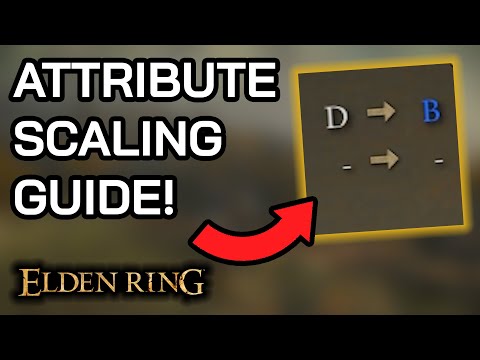
Scaling in Elden Ring is a core mechanic that determines how a weapon’s damage output increases based on a character’s attributes. Essentially, it’s a multiplier that links your Strength, Dexterity, Intelligence, Faith, and Arcane stats to the damage you inflict with a given weapon or spell. The higher the scaling grade (ranging from E to S), the more significant the damage increase from the corresponding attribute. Understanding scaling is crucial for optimizing your build and maximizing your damage potential in the Lands Between.
The Importance of Scaling
Why is scaling so important? Because it transforms a seemingly weak weapon into a powerhouse as you level up. A weapon with high Strength scaling will become exponentially more effective as you pump points into Strength. Ignoring scaling means you’re leaving a significant amount of damage on the table, effectively hamstringing your combat effectiveness. It also allows for diverse and specialized builds. Do you want to be a nimble Dexterity-focused katana user? Or a hulking Strength-based colossal weapon wielder? Scaling makes these playstyles viable.
Decoding Scaling Grades
Elden Ring uses a letter grade system to represent scaling. Here’s a breakdown:
- S: Best scaling. Provides the highest damage increase per point invested in the corresponding attribute.
- A: Excellent scaling. Very strong returns on stat investment.
- B: Good scaling. Noticeable damage increase.
- C: Moderate scaling. Decent damage increase.
- D: Weak scaling. Small damage increase, but still present.
- E: Minimal scaling. Negligible damage increase.
- (-): No scaling. The weapon’s damage does not increase with any attribute.
Scaling and Weapon Upgrade Level
It’s also crucial to remember that scaling improves as you upgrade your weapons. A weapon might start with a “D” scaling in Strength at base level, but upgrading it to +25 could boost that to a “B” or even an “A.” This emphasizes the importance of not just finding the right weapon but also investing the necessary resources (Smithing Stones or Somber Smithing Stones) to maximize its potential.
Attributes and Their Scaling
Different attributes influence different weapon types and playstyles. Here’s a look at each and what they typically govern:
- Strength: Primarily affects the damage of heavy weapons like greatswords, colossal weapons, and hammers. A high Strength stat is ideal for players who prefer slow, powerful attacks and staggering enemies. The soft cap for Strength is often considered to be around 60.
- Dexterity: Enhances the damage of faster weapons like katanas, thrusting swords, and curved swords. It also improves casting speed for Sorceries and Incantations. Dexterity is perfect for agile players who focus on quick attacks and dodging. Consider stopping leveling Dexterity around 50 points for optimal return on investment.
- Intelligence: Primarily scales with Sorceries and certain weapons that deal magic damage. High Intelligence allows you to cast powerful spells and utilize weapons with unique magical properties. Staves like Lusat’s Glintstone Staff benefit greatly from Intelligence scaling.
- Faith: Primarily scales with Incantations and certain weapons that deal holy or fire damage. High Faith opens up a range of healing, buffing, and offensive spells. Sacred Seals improve incantation scaling, enabling players to cast potent faith-based abilities.
- Arcane: A more niche attribute that influences item discovery, status buildup (like Bleed and Madness), and the scaling of certain weapons and spells. Arcane builds are often focused on inflicting status effects and utilizing unique weapons like the Rivers of Blood katana.
Optimizing Your Build with Scaling
Building your character around scaling is key to success in Elden Ring. Consider the following:
- Weapon Selection: Choose weapons that scale well with your chosen attribute(s). Read the weapon descriptions carefully and pay attention to the scaling grades.
- Attribute Allocation: Focus your level-ups on the attributes that your weapons scale with. Don’t spread your stats too thin, or you’ll end up with a character that’s mediocre at everything.
- Weapon Upgrades: Upgrade your weapons as much as possible to improve their scaling and base damage. Smithing Stones and Somber Smithing Stones are essential for this.
- Talismans and Armor: Equip talismans and armor that boost your relevant attributes or provide other beneficial effects. For example, the Marika’s Soreseal talisman increases Intelligence, Faith, Arcane, but also increases damage taken.
- Ashes of War: Some Ashes of War can change the scaling of a weapon. This is useful if you want a weapon to scale with an attribute that it doesn’t naturally scale with.
Frequently Asked Questions (FAQs)
1. What happens if I don’t focus on scaling?
If you neglect scaling, your damage output will plateau, making it increasingly difficult to defeat enemies and bosses as you progress through the game. You’ll be relying solely on your weapon’s base damage, which is significantly lower than the potential damage you could achieve with proper scaling.
2. Do all weapons scale?
Not all weapons have scaling. Some weapons might have fixed damage or scale minimally with attributes. These weapons are often better suited for early game or specific niche builds. It is best to seek out weapons with better scaling as the game progresses.
3. How do I check a weapon’s scaling?
You can view a weapon’s scaling by examining its stats in the equipment menu. The scaling grades (S, A, B, C, D, E) will be displayed next to the corresponding attributes.
4. Does armor affect scaling?
Armor itself doesn’t directly affect scaling. However, some armor pieces can increase your attributes, which indirectly improves scaling. The Twinned Armour and the Royal Remains armour are good early game Strength scaling armor options.
5. What is “soft capping” and why is it important?
Soft capping refers to the point where the benefits of investing further points into an attribute diminish. After reaching a soft cap, each additional point provides a smaller increase in damage. It’s generally more efficient to invest in other stats or upgrade your weapons once you reach a soft cap.
6. Can I change a weapon’s scaling?
Yes, using Ashes of War, you can infuse weapons with different affinities, such as Heavy (Strength scaling), Keen (Dexterity scaling), or Magic (Intelligence scaling). This allows you to tailor a weapon’s scaling to your preferred build.
7. Does scaling affect weapon skills?
Yes, some weapon skills scale with specific attributes. For example, a weapon skill that deals fire damage might scale with Faith or Intelligence, depending on the weapon and Ash of War.
8. How does scaling work with dual wielding?
When dual wielding, the scaling applies to each weapon individually. Ensure both weapons scale well with your chosen attributes to maximize your damage output.
9. What is the best scaling weapon in Elden Ring?
There is no single “best” scaling weapon, as it depends on your build and playstyle. The Giant-Crusher excels in Strength scaling, while weapons like Rivers of Blood benefit from Arcane scaling. Experiment to find what suits you.
10. Do enemies scale with my level?
No, Elden Ring enemies do not scale with your level. You can become overpowered for certain areas by leveling up and upgrading your equipment. This allows you to revisit earlier areas and defeat bosses you previously struggled with.
11. Does weight affect scaling?
Weight does not directly affect scaling. However, maintaining a medium equip load is crucial for dodging effectively, which can indirectly impact your ability to deal damage. Rolling more efficiently also allows you to avoid damage from opponents.
12. What level should I be for certain areas?
While you can explore areas at any level, some areas are designed for specific level ranges. Caelid, for example, is typically recommended for players around levels 60-70.
13. How does scaling work with spells?
Spells scale with the Sorcery Scaling stat on staves (for Sorceries) and the Incantation Scaling stat on Sacred Seals (for Incantations). These stats are influenced by your Intelligence and Faith attributes, respectively.
14. What are some good early-game scaling weapons?
Some good early-game scaling weapons include the Lordsworn’s Straight Sword (Strength/Dexterity), the Uchigatana (Dexterity), and the Astrologer’s Staff (Intelligence).
15. Where can I learn more about game design and mechanics?
You can find a wealth of resources and information about game design, mechanics, and the educational applications of games at the Games Learning Society website: GamesLearningSociety.org.
By understanding and effectively utilizing scaling, you can unlock the true potential of your character and conquer the challenges of Elden Ring. Experiment with different weapons, attributes, and Ashes of War to find the perfect build for your playstyle. Good luck, Tarnished!