Unveiling the Secrets of Soap: A Grade 10 Deep Dive
Fast answer first. Then use the tabs or video for more detail.
- Watch the video explanation below for a faster overview.
- Game mechanics may change with updates or patches.
- Use this block to get the short answer without scrolling the whole page.
- Read the FAQ section if the article has one.
- Use the table of contents to jump straight to the detailed section you need.
- Watch the video first, then skim the article for specifics.
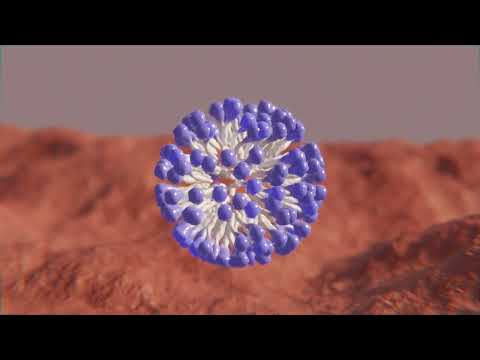
Soap, a seemingly simple substance, is actually a fascinating example of chemistry in action! For a Grade 10 student, understanding soap involves grasping the fundamental principles of chemical reactions, molecular structure, and cleansing mechanisms. Essentially, soap is a sodium or potassium salt of long-chain fatty acids (or carboxylic acids) that exhibits cleansing properties in water. It’s a key player in our daily hygiene, transforming greasy messes into sparkling surfaces.
What is Soap? More Than Just Suds!
At its core, soap is created through a process called saponification. This involves reacting fats or oils (triglycerides) with a strong alkali, typically sodium hydroxide (NaOH) for solid soaps or potassium hydroxide (KOH) for liquid soaps. The result? A soap molecule with a unique structure: a hydrophilic (“water-loving”) head and a hydrophobic (“water-fearing”) tail.
This dual nature is what gives soap its remarkable cleansing ability. The hydrophobic tail latches onto grease and dirt, while the hydrophilic head interacts with water. This allows the soap to surround the dirt particles, forming structures called micelles, which are then washed away with water. It’s like tiny molecular Pac-Men gobbling up the grime!
Soap vs. Detergent: A Cleansing Showdown
While both soap and detergents are cleansing agents, they have key differences. Soaps are derived from natural fats and oils, whereas detergents are synthetic compounds. This difference in origin leads to variations in their behavior, particularly in hard water.
Hard water contains minerals like calcium and magnesium ions. These ions react with soap to form an insoluble precipitate, commonly known as soap scum. This scum reduces the effectiveness of the soap and can leave a dull film on surfaces.
Detergents, on the other hand, are less susceptible to the effects of hard water. They do not form insoluble precipitates with calcium and magnesium ions, making them more effective cleansing agents in a wider range of water conditions. This is why detergents have largely replaced soaps in many cleaning applications.
Examples and Formulae
Some common examples of soaps include:
- Sodium Stearate (C17H35COO– Na+): Derived from stearic acid.
- Sodium Palmitate (C15H31COO– Na+): Derived from palmitic acid.
- Sodium Oleate (C17H33COO– Na+): Derived from oleic acid.
The general formula for a soap molecule can be represented as RCOO–M+, where:
- R represents the long-chain alkyl group (the hydrophobic tail)
- COO– represents the carboxylate group (the anionic head)
- M+ represents the metal cation (Na+ or K+)
FAQs: Delving Deeper into the World of Soap
Here are some frequently asked questions to further explore the chemistry and applications of soap:
-
What are the raw materials required to make soap? The primary raw materials are fats or oils (triglycerides) and a strong alkali such as sodium hydroxide (NaOH) or potassium hydroxide (KOH). Other ingredients like fragrances, dyes, and emollients can be added.
-
How is soap made? Soap is made through a process called saponification. This involves heating the fats or oils with the alkali solution, causing a chemical reaction that breaks down the triglycerides into glycerol and soap molecules.
-
What is the chemical reaction of soap making? The saponification reaction can be summarized as: Fat/Oil + Alkali → Soap + Glycerol. The fat or oil is hydrolyzed by the alkali, resulting in the formation of soap (a salt of fatty acid) and glycerol.
-
Why is salt added during soap making? Salt (sodium chloride) is added to help precipitate the soap out of the solution. This process, called salting out, makes the soap easier to separate from the glycerol and other byproducts.
-
What is the difference between toilet soap and washing soap? Toilet soaps are typically made with higher quality fats and oils and have added ingredients like fragrances and moisturizers to make them gentler on the skin. Washing soaps are often made with cheaper fats and may contain harsher alkalis for more effective cleaning of clothes and other items.
-
What are the advantages of detergents over soaps? Detergents are more effective in hard water, produce more lather, and can be formulated for specific cleaning purposes. They also tend to be less affected by pH and temperature changes.
-
Why are detergents preferred over soaps in hard water areas? In hard water areas, detergents are preferred because they do not form insoluble precipitates with the calcium and magnesium ions present in hard water. This allows the detergent to maintain its cleaning effectiveness.
-
What is the difference between anionic, cationic, and non-ionic detergents?
- Anionic detergents have a negatively charged head and are the most common type of detergent (e.g., sodium lauryl sulfate).
- Cationic detergents have a positively charged head and are often used as disinfectants and fabric softeners.
- Non-ionic detergents have a neutral head and are effective at removing oily soils and are often used in laundry detergents.
-
How does soap remove dirt and grease? Soap molecules have a hydrophobic tail that attracts and binds to grease and dirt, and a hydrophilic head that attracts water. This allows the soap to emulsify the grease and dirt, forming micelles that can be washed away with water.
-
What is the role of micelles in soap action? Micelles are spherical aggregates of soap molecules formed in water. The hydrophobic tails point inward, creating a hydrophobic core that traps grease and dirt, while the hydrophilic heads point outward, allowing the micelle to be suspended in water.
-
Are all soaps biodegradable? Soaps made from natural fats and oils are generally biodegradable. However, some synthetic detergents may not be as readily biodegradable, contributing to environmental pollution.
-
What is the environmental impact of soap and detergent use? The environmental impact includes the potential for water pollution from non-biodegradable detergents and the release of phosphates (in some detergents) that can contribute to eutrophication (excessive nutrient enrichment) of waterways.
-
Can soap kill bacteria? While soap can help remove bacteria from the skin by lifting them away, it doesn’t necessarily kill them. Antibacterial soaps, on the other hand, contain chemicals that kill bacteria. However, the overuse of antibacterial soaps can contribute to antibiotic resistance.
-
What are the different types of soap available in the market? Types of soaps available in the market include: toilet soaps, beauty soaps, medicated soaps, liquid soaps, and laundry soaps.
-
What is the importance of understanding soap chemistry for everyday life? Understanding soap chemistry helps us make informed choices about the cleaning products we use, their effectiveness, and their environmental impact. It also provides a practical example of chemical principles in action, connecting classroom learning to real-world applications.
Beyond the Basics: The Future of Soap
The world of soap is constantly evolving. Researchers are exploring new, more sustainable ingredients and formulations to minimize environmental impact and improve cleansing effectiveness. From bio-based surfactants to innovative delivery systems, the future of soap promises to be both cleaner and greener. Organizations like the Games Learning Society explore innovative methods in learning and teaching that include real-world applications. Check out GamesLearningSociety.org to learn more.
By understanding the fundamental principles of soap chemistry, Grade 10 students can not only excel in their studies but also become more informed and responsible consumers, making choices that benefit both themselves and the planet.