Decoding the Islamic Talisman: Between Faith and Practice
Fast answer first. Then use the tabs or video for more detail.
- Watch the video explanation below for a faster overview.
- Game mechanics may change with updates or patches.
- Use this block to get the short answer without scrolling the whole page.
- Read the FAQ section if the article has one.
- Use the table of contents to jump straight to the detailed section you need.
- Watch the video first, then skim the article for specifics.
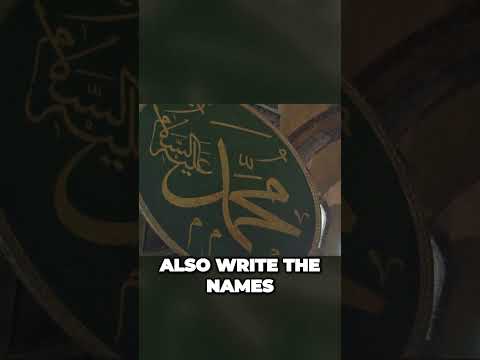
In Islam, the concept of a talisman is complex and often debated. While the tradition recognizes the power of divine words and blessings, the use of talismans – objects believed to possess magical properties – is viewed with caution. The crucial distinction lies in the source of protection or benefit: true reliance should be placed solely on Allah (God), with any physical object serving as a reminder of faith and a conduit for prayer, not as an independent source of power. Practices vary among Muslims, with some embracing the use of Qur’anic verses inscribed on objects for protection and healing, while others strictly reject any form of talismanic practice as bordering on shirk (associating partners with God), the most grievous sin in Islam.
The Nuances of Islamic Perspectives on Talismans
The world of Islamic talismans is rich and diverse, reflecting the varied cultural contexts and interpretations of Islamic teachings throughout history. Understanding this topic requires navigating a delicate balance between faith, cultural practices, and the potential for misinterpreting religious principles.
The Acceptable: Remembrance and Reliance on Allah
Within some Islamic traditions, objects bearing Qur’anic inscriptions, names of Allah, or pious phrases are considered acceptable as reminders of faith and sources of blessings. These items are not seen as possessing inherent magical powers but rather as invoking Allah’s protection and guidance. For instance, a pendant containing a verse from the Qur’an related to protection may be worn as a constant reminder to seek refuge in Allah and to live according to Islamic principles. This aligns with the emphasis on remembrance of Allah (dhikr), a central practice in Islam.
The Contentious: Amulets and Objects of Power
However, the use of talismans that rely on perceived magical properties, astrological symbols, or non-Islamic rituals is a contentious issue. Many Islamic scholars caution against such practices, arguing that they can lead to a reliance on objects rather than on Allah. The core concern is that these practices may detract from the concept of tawhid (the oneness of God), a fundamental tenet of Islam. Any object believed to possess independent power is seen as a potential rival to Allah, which is strictly forbidden.
The “Tawiz” Dilemma
The term “tawiz” refers to an amulet often worn for protection or to bring good fortune. These can range from simple pouches containing Qur’anic verses to more elaborate objects with symbols and diagrams. The permissibility of wearing a tawiz is a matter of debate among Islamic scholars. If the tawiz contains only Qur’anic verses or pious phrases and the wearer believes that its power comes solely from Allah, some scholars deem it permissible. However, if the tawiz contains unknown symbols, relies on superstitious beliefs, or is believed to possess inherent magical power, it is generally considered forbidden.
Historical Context and Cultural Influences
The use of talismans in the Islamic world is also influenced by pre-Islamic cultural practices and local traditions. In many regions, amulets and protective charms were common long before the advent of Islam. Over time, these traditions have been adapted and integrated into Islamic practices, sometimes blurring the lines between faith and superstition. This blending of traditions highlights the complex interplay between religious beliefs and cultural heritage. Exploring how Games Learning Society approaches cultural education can provide valuable insights into this dynamic.
Navigating the Grey Areas: Discernment and Intention
Ultimately, the permissibility of using talismans in Islam depends on several factors: the content of the object, the intention of the user, and the underlying beliefs about its power. If the object serves as a reminder of Allah and promotes reliance on Him, it may be acceptable. However, if it leads to a reliance on the object itself or involves practices that contradict Islamic teachings, it is generally considered problematic. Discernment, knowledge, and a sincere intention to seek Allah’s guidance are essential in navigating this complex issue.
Frequently Asked Questions (FAQs) about Talismans in Islam
Here are 15 frequently asked questions to further clarify the concept of talismans in Islam:
-
Is it inherently wrong to possess an object with Qur’anic verses inscribed on it?
No, possessing an object with Qur’anic verses is not inherently wrong. The intention behind it matters. If it serves as a reminder of Allah and encourages reflection on the verses, it can be beneficial. However, attributing magical powers to the object itself would be incorrect.
-
What is the Islamic view on wearing amulets for protection?
The Islamic view on wearing amulets is complex. If the amulet contains only Qur’anic verses and the wearer believes that its power comes from Allah, some scholars permit it. However, amulets containing unknown symbols or superstitious beliefs are generally prohibited.
-
Is it considered shirk (associating partners with God) to believe a talisman can protect me?
Yes, if you believe that a talisman has inherent power to protect you independently of Allah, it is considered shirk, which is the most serious sin in Islam. True protection comes only from Allah.
-
What is the difference between a talisman and a dua (supplication)?
A talisman is an object believed to possess magical properties. A dua is a supplication or prayer to Allah. In Islam, dua is encouraged as a means of seeking Allah’s help and guidance, while reliance on talismans is viewed with caution.
-
Are there specific Qur’anic verses that can be used for protection?
Yes, certain Qur’anic verses, such as Ayat al-Kursi (The Throne Verse) and the last two verses of Surah Al-Baqarah, are often recited for protection. However, the power lies in the recitation and the belief in Allah’s protection, not in the verses themselves as magical formulas.
-
What does Islam say about the “evil eye” and protection from it?
Islam acknowledges the existence of the “evil eye” (ayn) and provides guidance on seeking protection from it. The Prophet Muhammad (peace be upon him) taught his followers to seek refuge in Allah from the evil eye through prayer and remembrance.
-
Is it permissible to use ruqya (spiritual healing) for protection?
Yes, ruqya is permissible in Islam, provided it involves reciting Qur’anic verses, supplications taught by the Prophet Muhammad (peace be upon him), and a belief that healing comes from Allah alone.
-
Can I wear a necklace with the name of Allah on it for protection?
Wearing a necklace with the name of Allah is permissible as a reminder of your faith. However, it is essential to remember that the protection comes from Allah, not the necklace itself.
-
Is it okay to display Islamic calligraphy in my home for blessings?
Displaying Islamic calligraphy in your home is permissible as a way to beautify your surroundings and remember Allah. However, it should not be done with the belief that the calligraphy itself possesses magical powers.
-
What is the Islamic perspective on astrology and using astrological signs for protection?
Islam prohibits the belief that astrological signs have the power to influence events or provide protection. Relying on astrology contradicts the Islamic belief that Allah is the ultimate controller of all things.
-
Is it permissible to visit fortune tellers or those who claim to have knowledge of the unseen for protection?
It is strictly forbidden in Islam to visit fortune tellers or those who claim to have knowledge of the unseen. Islam teaches that only Allah knows the unseen, and seeking information from such individuals is a form of disbelief.
-
What should I do if I accidentally acquire a talisman that contains non-Islamic symbols?
If you accidentally acquire a talisman that contains non-Islamic symbols, you should dispose of it respectfully and seek forgiveness from Allah. It is important to avoid anything that contradicts Islamic teachings.
-
How can I protect myself from negative energies and harm in an Islamic way?
You can protect yourself from negative energies and harm by strengthening your faith, performing regular prayers, reciting Qur’anic verses, making sincere supplications to Allah, and living according to Islamic principles.
-
Are dreams considered talismans in Islam?
Dreams are not considered talismans in Islam. Dreams can be a source of guidance or warnings, but their interpretation should be done with caution and in accordance with Islamic teachings. They should not be relied upon as a source of protection.
-
What role do cultural traditions play in the use of talismans among Muslims?
Cultural traditions play a significant role in the use of talismans among Muslims. In some regions, amulets and protective charms have been part of the local culture for centuries. While Islam encourages adherence to its teachings, these cultural practices sometimes blend with Islamic beliefs, leading to varying interpretations and practices.
In conclusion, the concept of talismans in Islam is a complex issue that requires careful consideration. While the use of Qur’anic verses and pious phrases as reminders of faith is generally accepted, the reliance on objects with perceived magical powers is viewed with caution. Ultimately, the key is to maintain a strong connection with Allah, seeking His protection and guidance in all aspects of life. Remember that understanding the interplay between faith and cultural practices is crucial.
You can learn more about these cultural dynamics through resources like the Games Learning Society at https://www.gameslearningsociety.org/. This can help provide a broader perspective on how beliefs and practices evolve within different communities.