Unveiling the Ultimate Garchomp: A Move Guide for Champions
Fast answer first. Then use the tabs or video for more detail.
- Watch the video explanation below for a faster overview.
- Game mechanics may change with updates or patches.
- Use this block to get the short answer without scrolling the whole page.
- Read the FAQ section if the article has one.
- Use the table of contents to jump straight to the detailed section you need.
- Watch the video first, then skim the article for specifics.
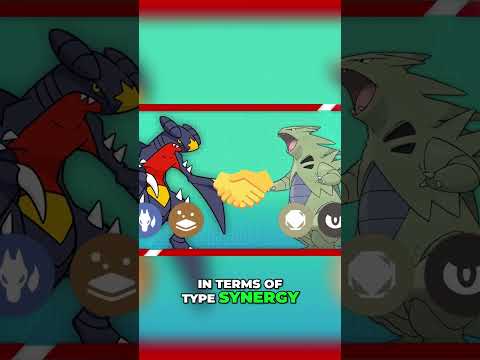
Garchomp, the Mach Pokémon, is a Dragon/Ground-type powerhouse renowned for its blistering speed, incredible attack power, and surprisingly decent bulk. Crafting the perfect moveset for this land shark requires careful consideration of its strengths and weaknesses, as well as the metagame it’s facing. So, what is the best moveset for Garchomp? There’s no single “best” moveset, as it heavily depends on the role you want Garchomp to fulfill. However, a highly effective and versatile moveset often includes Earthquake, Swords Dance, Outrage (or Dragon Claw), and Stone Edge. This blend offers powerful STAB (Same-Type Attack Bonus) options, setup potential, and crucial coverage against Flying-types that resist both Dragon and Ground. Let’s delve into why these moves shine and explore alternative options for different strategies.
Analyzing the Core Moveset
This standard moveset is a cornerstone of Garchomp’s competitive viability:
- Earthquake: A Ground-type STAB move with immense power and wide distribution. Its reliability and lack of drawbacks make it Garchomp’s primary offensive tool. It’s almost always essential.
- Swords Dance: This move is Garchomp’s setup tool. A single Swords Dance doubles Garchomp’s Attack stat, turning it into a terrifying sweeper. Its success hinges on proper timing and predicting your opponent’s actions.
- Outrage/Dragon Claw: This is the Dragon-type STAB slot, and the choice depends on risk tolerance. Outrage is incredibly powerful but locks Garchomp into attacking for 2-3 turns, leaving it vulnerable to Fairy-type switch-ins. Dragon Claw is weaker but more consistent and doesn’t carry the same risk. In formats where Fairy-types are prevalent, Dragon Claw might be the safer bet.
- Stone Edge: This provides crucial coverage against Flying-type Pokémon like Tornadus-T, Zapdos, and Dragonite, which resist both Earthquake and Dragon-type attacks. Its high critical hit ratio is an added bonus.
Alternative Moves and Strategies
While the core moveset is strong, Garchomp has access to a diverse movepool that allows for creative strategies:
- Stealth Rock: A support move that chips away at opponents upon switching in. This is especially valuable in entry hazard-focused teams.
- Toxic: Inflicts poison, slowly wearing down bulky opponents. This can be useful against Pokémon that Garchomp struggles to directly break through.
- Fire Blast/Flamethrower: Catches Steel-types like Ferrothorn and Skarmory off guard. However, Garchomp’s Special Attack is lower than its Attack, so these moves are generally less effective than its physical options unless running a mixed set.
- Scale Shot: A Dragon-type move that raises Speed while lowering Defense. It can be helpful for outspeeding certain threats, but the Defense drop can be risky.
- Dig: Garchomp can use Dig as one of his moves in the game Pokkén. This is an instance when it would be useful!
- Dragon Rush: Garchomp can use Dragon Rush as one of his moves in the game Pokkén.
Itemization and Ability Considerations
The best item for Garchomp often depends on its moveset and the team’s needs:
- Life Orb: Boosts the power of all attacks by 30%, but Garchomp takes slight damage with each hit. This is ideal for maximizing damage output.
- Choice Scarf: Doubles Garchomp’s Speed, allowing it to outspeed a significant portion of the metagame. This turns Garchomp into a revenge killer.
- Leftovers: Provides passive healing each turn, increasing Garchomp’s longevity. This is more suitable for bulkier sets or those relying on setting up entry hazards.
- Rocky Helmet: Damages attacking Pokémon that make direct contact.
Garchomp’s ability, Rough Skin, damages opponents that make direct contact with it. This can deter physical attackers and provides chip damage. Mega Garchomp, however, gains the ability Sand Force, which boosts the power of Ground-type moves by 30% in a sandstorm. While this sounds good on paper, the loss of Speed and the reliance on sandstorm support make it generally less effective than regular Garchomp with Rough Skin.
Team Synergy and Metagame Adaptation
A successful Garchomp strategy isn’t just about the moveset; it’s about team synergy and adapting to the metagame.
- Entry Hazard Support: Pairing Garchomp with Pokémon that can set up Stealth Rock, Spikes, or Toxic Spikes can significantly increase its offensive pressure.
- Fairy-Type Coverage: Because of the prevalence of Fairy-types, having teammates that can reliably handle them is crucial. Steel-types like Heatran and Aegislash are excellent choices.
- Speed Control: If Garchomp isn’t running a Choice Scarf, having other forms of speed control, such as Sticky Web or Thunder Wave, can help it outspeed key threats.
- Status Absorption: Pokémon that can absorb status conditions like burns or paralysis can alleviate pressure on Garchomp, allowing it to stay healthy and continue sweeping.
Conclusion: Mastering the Land Shark
Choosing the best moves for Garchomp is a dynamic process that depends on your team composition, the current metagame, and your preferred play style. The core moveset of Earthquake, Swords Dance, Outrage/Dragon Claw, and Stone Edge provides a solid foundation, but don’t be afraid to experiment with alternative moves and strategies to surprise your opponents and maximize Garchomp’s potential. Remember to consider item choices, ability synergies, and team support to unlock the full power of this fearsome Dragon/Ground-type.
Games, like Pokemon, can be educational. To know more about educational games please visit the website of the Games Learning Society at https://www.gameslearningsociety.org/.
Frequently Asked Questions (FAQs) About Garchomp
Here are 15 frequently asked questions about Garchomp, designed to further enhance your understanding of this formidable Pokémon:
1. Why is Earthquake considered Garchomp’s best move?
Earthquake is Garchomp’s strongest and most reliable STAB move. Its high base power, wide distribution, and lack of significant drawbacks make it a staple in almost every Garchomp moveset. There are other move options to consider but you would be hard pressed to leave this one out.
2. Is Outrage or Dragon Claw the better Dragon-type STAB move?
It depends on the context. Outrage offers higher damage output but locks Garchomp into attacking for 2-3 turns, making it vulnerable to Fairy-type switch-ins. Dragon Claw is weaker but more consistent and doesn’t carry the same risk. For example, if you are playing in a format where the threat of fairy types is low, then Outrage might be better.
3. How important is Swords Dance for Garchomp?
Swords Dance is crucial for turning Garchomp into a powerful sweeper. A single boost doubles its Attack stat, allowing it to OHKO (one-hit knockout) or 2HKO (two-hit knockout) many opponents. It’s a high-risk, high-reward strategy that can quickly turn the tide of a battle.
4. What Flying-type Pokémon does Stone Edge target specifically?
Stone Edge is primarily aimed at Flying-type Pokémon like Tornadus-T, Zapdos, and Dragonite, which resist both Earthquake and Dragon-type attacks. It prevents Garchomp from being walled by these threats.
5. Can Garchomp effectively use Special Attack moves?
While Garchomp has access to Special Attack moves like Fire Blast and Draco Meteor, its Special Attack stat is significantly lower than its Attack. These moves are generally less effective than physical options unless running a mixed set with specific EV (Effort Value) investment.
6. What are the best held items for Garchomp in competitive battling?
Commonly used items include Life Orb for increased damage output, Choice Scarf for speed control, Leftovers for passive healing, and Rocky Helmet to punish physical attackers.
7. How does Rough Skin affect Garchomp’s matchups?
Rough Skin damages opponents that make direct contact with Garchomp, deterring physical attackers and providing chip damage. This can be particularly useful against Pokémon reliant on moves like U-Turn or Rapid Spin.
8. Is Mega Garchomp better than regular Garchomp?
While Mega Garchomp boasts higher offenses and bulk, it suffers from a Speed drop and relies on sandstorm support to activate its Sand Force ability. Regular Garchomp is often preferred due to its higher Speed tier and consistent Rough Skin ability.
9. What kind of team support does Garchomp need?
Garchomp benefits from entry hazard support (Stealth Rock, Spikes), Fairy-type coverage, speed control (Sticky Web, Thunder Wave), and status absorption.
10. How do I counter Garchomp effectively?
Common counters include faster Fairy-types like Tapu Koko and Tapu Lele, Ice-types like Weavile and Mamoswine, and bulky Steel-types like Skarmory and Ferrothorn.
11. Can Garchomp learn Fly?
No, Garchomp cannot learn the move Fly. While it can fly in the anime and has moves that involve aerial movement, it lacks the ability to learn Fly.
12. Is Garchomp weak to Grass-type moves?
Garchomp is not weak to Grass-type moves. It takes neutral damage from them.
13. How does Garchomp perform in different weather conditions?
Garchomp is effective in sandstorm conditions, as it is immune to the sandstorm damage. Mega Garchomp’s Sand Force ability further boosts its Ground-type attacks in a sandstorm.
14. What are some alternative abilities for Garchomp via Ability Patch?
Garchomp’s hidden ability is Sand Veil, which increases its evasion in a sandstorm. While this can be useful in certain situations, Rough Skin is generally the preferred ability for its consistent chip damage.
15. What dinosaur is Garchomp based on?
Garchomp seems to be a combination of a wyvern, a hammerhead shark, and various dinosaurs, with the specific play on it being a Carcharodontosaurus, a dinosaur whose name means “shark-toothed lizard”.