Decoding the Battlefield: Understanding the Difference Between Total War and Warhammer
Fast answer first. Then use the tabs or video for more detail.
- Watch the video explanation below for a faster overview.
- Game mechanics may change with updates or patches.
- Use this block to get the short answer without scrolling the whole page.
- Read the FAQ section if the article has one.
- Use the table of contents to jump straight to the detailed section you need.
- Watch the video first, then skim the article for specifics.
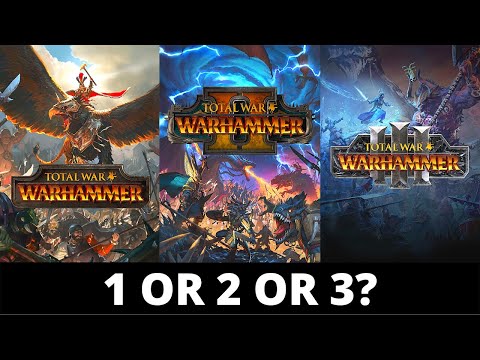
The gaming landscape can be vast and sometimes confusing, especially when franchises intertwine. You’ve likely stumbled upon the terms “Total War” and “Warhammer”, often together, and might be wondering about their relationship. So, let’s cut through the fog: Total War is a series of strategy video games developed by Creative Assembly that blends turn-based empire management with real-time tactical battles. Warhammer, on the other hand, refers to a fantasy or science fiction universe created by Games Workshop, famous for its tabletop wargames. The Total War: Warhammer series are games that use the rules and lore of the Warhammer universe, but are still part of the broader Total War franchise. They’re not the same thing. Think of it like a cake (Total War) using a special flavor (Warhammer). One is the base and the other is the theme. Let’s delve deeper into this distinction.
What is Total War?
At its core, the Total War series is renowned for its grand strategy gameplay. These games typically place players in charge of a nation or faction, tasking them with managing resources, diplomacy, technology, and military forces. The game unfolds on a large campaign map, where players move armies, build settlements, engage in diplomacy, and research new technologies, all in a turn-based system. When armies clash, the game transitions to real-time battles where players command their forces on a 3D battlefield, using terrain, formations, and tactics to achieve victory. The Total War series has covered various historical periods, including ancient Rome, medieval Europe, feudal Japan, and the Napoleonic era. These historical games are celebrated for their detailed unit models, accurate depictions of historical warfare, and deep strategic gameplay. These games usually portray real historical events, with the outcome usually depending on the players’ actions and decisions in-game.
What is Warhammer?
Warhammer, in contrast, is a rich fictional universe with two main settings: Warhammer Fantasy Battles (now known as Age of Sigmar in the tabletop game) and Warhammer 40,000 (40K). These universes are populated by a plethora of diverse races, factions, and characters, each with their unique lore, units, and motivations.
Warhammer Fantasy
The original setting, Warhammer Fantasy, features a world filled with magic, monstrous creatures, and fantastical factions, such as Elves, Dwarves, Orcs, and the forces of Chaos. It’s a classic high fantasy setting, with the setting having a medieval style fantasy aesthetic. This setting served as the inspiration for the Total War: Warhammer series. While the tabletop game has officially advanced into the Age of Sigmar setting, the games are still set in the Warhammer Fantasy setting.
Warhammer 40,000 (40K)
Warhammer 40K, on the other hand, is a dark, gothic science fiction setting set millennia into the future. It’s a universe of constant warfare, with humanity’s forces, the Imperium, engaged in perpetual battles against aliens, daemons, and heretics, with the conflict showing a stark contrast between the good guys and bad guys. 40K is known for its iconic Space Marines, grim aesthetic, and incredibly rich lore. Currently, there are no Total War games based in the 40K setting.
Total War: Warhammer: The Hybrid
Total War: Warhammer is a brilliant fusion of these two worlds. It uses the core Total War gameplay mechanics, but it’s set in the Warhammer Fantasy universe. This means that players command armies of Skaven, Orcs, Lizardmen, and other iconic races, complete with magic, monsters, and the detailed lore from the Warhammer setting. The developers at Creative Assembly have taken great care to accurately portray the units, characters, and world of Warhammer, resulting in a critically acclaimed and commercially successful series. It allows players to experience the grand scale of Total War battles with the rich lore, units, and settings of the Warhammer world. The series currently has three titles with their own respective stories, but can also be combined to play with all of the released content to provide one massive combined campaign.
Frequently Asked Questions (FAQs)
Are Warhammer 40,000 and Total War: Warhammer Connected?
No, they are not directly connected. Warhammer 40K and Warhammer Fantasy are different universes, although they do share some common themes and a conceptual connection through the warp. Total War: Warhammer is based on the Warhammer Fantasy setting, while there are currently no Total War games set in the 40K universe.
Is Total War a Warhammer Game?
Yes and No. Total War is a strategy game franchise, and Total War: Warhammer is a series within that franchise set in the Warhammer Fantasy universe. So, Total War: Warhammer is both a Total War game and a Warhammer game. However, games set in the historical settings (Total War: Rome, Total War: Shogun) are not Warhammer games, just Total War games.
What is the difference between Total War: Warhammer 1, 2, and 3?
Each Total War: Warhammer title features different maps and playable races. Total War: Warhammer focuses on the Old World, Total War: Warhammer 2 features areas such as Ulthuan and Lustria, and Total War: Warhammer 3 brings the Realm of Chaos to life. Each game adds new factions, mechanics, and overall content. With all three games, you can then play Immortal Empires, which allows you to play with all of the races combined in one massive campaign.
Do I need to buy all Total War: Warhammer games?
Previously, you needed to own all three Total War: Warhammer games to access the Immortal Empires mode, which is the ultimate combined campaign map. However, the Immortal Empires mode is now available for all Warhammer III owners, regardless of whether they own the other titles. Though if you want to experience their individual campaigns, or play their respective factions, you do still need to purchase the other games.
Which Total War: Warhammer game should I start with?
Most players recommend starting with Total War: Warhammer III as it includes many improvements over previous titles, has a better overall tutorial for new players, and also has the Immortal Empires campaign. If you want to play the Mortal Empires campaign from the second game, you will also need to own the first game as well.
Is Total War: Warhammer a AAA game?
Yes. Total War games, including Total War: Warhammer, are considered AAA titles, meaning they are high-budget games produced by major studios. They feature advanced tech, detailed graphics, and significant development resources.
Which Warhammer game is the most popular?
The most popular tabletop miniature wargame is Warhammer 40,000. However, the most popular Warhammer video game is still debated. However, the Total War: Warhammer series is a popular, long-running, and critically acclaimed series.
Why is World War I considered a total war?
World War I is referred to as a “total war” because it mobilized entire nations, resources, and economies, blurring the lines between combatants and civilians. This involved using a nations entire resources to try and win the war, rather than limiting it to just the military.
Which Total War game is best to start with?
Many players find Rome 2 Total War to be a good starting point due to its comprehensive tutorial and engaging campaign. Also the various starting factions have different gameplay styles, making it a game that provides great replayability. Total War: Warhammer 2 and 3 are also often recommended due to their user-friendly interfaces and depth of content.
Will there ever be a Total War: Warhammer 40K game?
There are no official announcements for a Total War: Warhammer 40K game. However, the prospect is highly anticipated by fans. The developers have not confirmed any work on this game, so at the moment it is just a popular rumor and fan theory.
Is the Total War series just about historical settings?
No. Although many of the Total War games are set in historical eras, the series has also ventured into the fantasy realm with the Total War: Warhammer series. It is not just limited to historical settings.
What makes Total War unique from other strategy games?
Total War is unique due to its combination of turn-based strategic campaign gameplay and real-time tactical battles on large scales. No other game quite does it the way that the Total War series does.
Is Warhammer a single, unified story?
No. Warhammer has two primary settings: Warhammer Fantasy (and its continuation, Age of Sigmar) and Warhammer 40,000, each with distinct lore, factions, and timelines. While they exist in separate universes, there are some lore that connects the two, although they remain completely different settings.
What is the “warp” in Warhammer?
The warp is a psychic dimension present in both Warhammer Fantasy and Warhammer 40K. It’s a source of magical power but also the origin of daemons and chaos. However, it’s often depicted differently in each setting, although its source as a psychic dimension that powers magic is the same.
What other games are similar to Total War?
Games like Iron Harvest, and other real-time strategy games such as the StarCraft or Age of Empires series have similar tactical gameplay aspects, but the series often features more of a focus on resource and base management. The Civilization series has turn-based aspects, but does not have the real-time battlefield combat that the Total War games do.
In Conclusion
The relationship between Total War and Warhammer is one of collaboration, not identity. Total War is a game series with specific gameplay mechanics, while Warhammer is a rich fantasy and sci-fi universe. Total War: Warhammer is a fantastic fusion of the two, offering a grand strategy experience in the beloved Warhammer setting. Understanding this distinction allows fans to appreciate the unique appeal of each. Whether you’re a strategy enthusiast or a Warhammer aficionado, these games offer something special for everyone.